2026 Best Chemical Manufacturing Environmental Impact?

Time:2026-10-07 Author:Sienna
0%

What is the environmental impact of chemical manufacturing in 2026? The answer reaches far beyond factory smokestacks. It includes greenhouse gases, energy demand, water withdrawals, hazardous waste, air pollution, and persistent chemical residues. The International Energy Agency identifies chemicals as the largest industrial energy consumer, with fossil fuels supplying both heat and feedstock. That double role makes emissions difficult to reduce.

The scale is significant. UNEP’s Global Chemicals Outlook II reported that global chemicals production doubled between 2000 and 2017 and could double again by 2030. The IEA also warns that petrochemical demand will remain a major driver of future oil consumption. These findings make electrification, renewable hydrogen, recycled feedstocks, safer solvents, and process efficiency central to environmental planning. Yet technology alone will not solve everything. A new plant may reduce carbon emissions while increasing water stress or creating difficult-to-recycle materials.

Paul Anastas, a leading green chemistry expert and former director of the U.S. EPA’s Office of Research and Development, stated: “It is better to prevent waste than to treat or clean up waste after it has been created.” That principle still matters. However, manufacturers must measure full life-cycle impacts, not only production-site emissions. Transparent data, independent audits, and credible environmental reporting are essential for trustworthy decisions. Progress exists, but it is uneven. Some claims remain incomplete. This 2026 overview examines the evidence, the trade-offs, and the practical path toward cleaner chemical manufacturing.
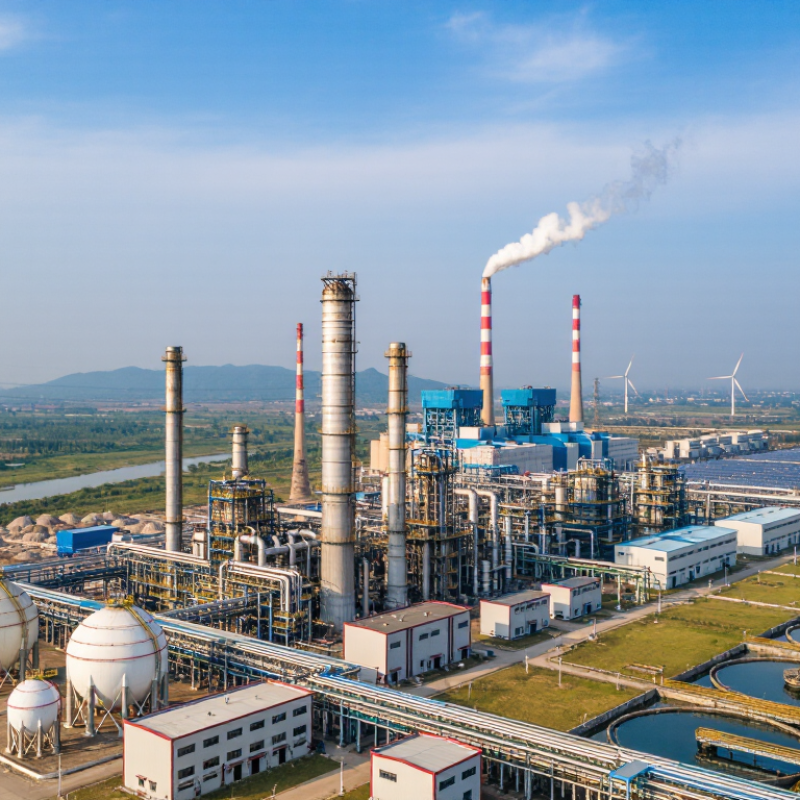
2026 Best Chemical Manufacturing Environmental Impact?

Chemical Industry’s 2022 Baseline: About 925 Mt CO₂ Direct Emissions

In 2022, chemical manufacturing produced about 925 Mt of direct CO₂ emissions, according to the stated industry baseline. Direct emissions come from on-site fuel combustion and industrial processes. They exclude purchased electricity generated elsewhere. That boundary matters. A plant’s furnace, boiler, reactor, and flare can each add measurable carbon. The figure is substantial, but it is not a complete environmental-impact score.

For 2026 planning, this baseline provides a practical measuring stick. Engineers can compare tonnes of CO₂ per tonne of product and track changes monthly. Metered fuel use, process data, and verified production volumes improve reliability. Site audits should check whether shutdowns, maintenance, or unusual batches distort results. Small errors can spread across global estimates. That is uncomfortable, but useful.


Reducing direct emissions may require electrified heat, lower-carbon feedstocks, tighter leak detection, and improved process control. Every option has limits. Electrification can shift emissions to the power system. New feedstocks may create upstream impacts. Water use, waste, and local air pollutants also deserve separate measurement. A credible report should publish its boundaries, methods, and uncertainties. The next honest step is measuring each source before claiming improvement.

Feedstock Dependence: Fossils Supply About 90% of Organic Chemical Inputs

2026 Best Chemical Manufacturing Environmental Impact?

Feedstock Dependence: Fossils Supply About 90% of Organic Chemical Inputs

Chemical manufacturing’s largest environmental burden begins before production starts. Renewable Carbon Initiative assessments indicate that fossil sources still provide about 90% of carbon used in organic chemicals. Oil and gas become ethylene, propylene, solvents, and countless intermediates. These materials may leave a clean-looking factory, but their carbon history is much longer.

The International Energy Agency identifies chemicals as the largest industrial energy consumer. Its analysis also shows that the sector contributes roughly 925 million tonnes of direct carbon dioxide emissions annually. Feedstock processing adds pressure through extraction, transport, cracking, and purification. A plastic component weighing only a few grams can involve several energy-intensive steps.

Carbon efficiency remains an uncomfortable weakness. Recycling helps, but it cannot supply every purity requirement or replace all virgin inputs. Bio-based materials also require land, water, and careful sourcing. They are not automatically sustainable. The industry needs measured comparisons, not attractive claims. Lifecycle assessments should include feedstock origin, process energy, product lifetime, and end-of-life treatment.

Some estimates vary because reporting boundaries differ. That matters. A facility may report low operational emissions while importing carbon-intensive intermediates. In my view, 2026 environmental evaluation should examine the whole supply chain, not only factory smokestacks. The fossil dependence is clear, but the best replacement pathway remains imperfect.

Energy Hotspots: Chemicals Consume Nearly 30% of Industrial Energy

2026 Best Chemical Manufacturing Environmental Impact?

Chemical manufacturing consumes nearly 30% of industrial energy worldwide. That figure makes energy the sector’s clearest environmental hotspot. Large reactors, separation columns, dryers, and furnaces demand continuous heat. Pumps and compressors add a quieter burden. They run for thousands of hours each year.

A practical assessment begins with meters, not assumptions. Engineers can compare electricity, steam, fuel, and production output by unit. A sudden rise in steam use may reveal fouled heat exchangers. Poor insulation can leave hot pipes warming the room instead of the process. Heat recovery can transfer energy from a hot exhaust stream to incoming materials. Small changes matter when equipment operates every day.

Electrification may reduce direct fuel emissions, but its benefits depend on the power source. Renewable electricity helps, while carbon-intensive grids can weaken the result. This is where careful reporting matters. The calculation is not perfect. Boundaries may exclude maintenance, transport, or purchased materials. That limitation should be stated clearly.

Energy reviews also need real workplace experience. Operators often notice unstable temperatures before dashboards show them. Their observations can expose leaks, idle equipment, and repeated start-ups. A strong 2026 strategy should combine measured data, process expertise, and independent verification. Cost savings are useful, but they are not the whole environmental story. Less energy can mean fewer emissions, lower cooling demand, and more resilient production. Yet every improvement deserves follow-up measurement. Guesswork is still common.

Why this matters

Chemical manufacturing is one of the largest industrial energy users, consuming approximately 30% of industrial energy worldwide. The remaining 70% is used by other industrial sectors. Reducing heat demand, improving process efficiency, and increasing electrification are key opportunities for lowering environmental impact.

Source: International Energy Agency (IEA), chemical industry energy-use assessments. The 70% remainder is calculated from the reported 30% chemical-sector share.

Plastics Footprint: The Lifecycle Produced 1.8 Gt CO₂e in 2019

2026 Best Chemical Manufacturing Environmental Impact?

Plastic’s footprint is larger than a factory chimney suggests. In 2019, the global plastics lifecycle produced about 1.8 Gt CO2e, according to published lifecycle assessments. This figure includes raw material extraction, chemical conversion, transport, use, and disposal. It is not only a production problem. The number is difficult to ignore.

Chemical manufacturing sits near the center of this chain. Fossil feedstocks become ethylene, propylene, additives, and finished polymers. Heat often comes from combustion, while cracking and refining require continuous high-temperature operation. At a plant site, emissions may be measured carefully, yet upstream gas leakage and electricity demand can remain less visible. That gap can distort environmental claims. Better assessments use product-level carbon accounting, verified energy data, and transparent system boundaries.

By 2026, stronger practice should pair lower-carbon power with material efficiency, longer product life, and safer recovery systems. Recycling helps, but collection quality, contamination, and repeated processing limit its benefits. Reuse is not automatically cleaner; transport and washing matter. My reading of lifecycle studies leaves one uncomfortable point: precision can create false confidence. Results change with geography, electricity mixes, allocation rules, and disposal assumptions. Manufacturers should publish assumptions, not only headline numbers. Small design decisions matter. A thinner package, lower process temperature, or longer service life can reduce pressure, but none solves the whole 1.8 Gt challenge.

2026 Abatement Priorities: Recycling, Electrification, and Low-Carbon Hydrogen

Chemical manufacturing in 2026 will face sharper scrutiny over energy use, waste, and process emissions. The strongest abatement plans will connect recycling, electrification, and low-carbon hydrogen. Each pathway solves a different problem.

Recycling can reduce virgin feedstock demand, but contaminated streams remain difficult to process. Plants need better sorting, solvent recovery, and closed-loop material tracking. Electrification can replace combustion in selected heating and separation systems. It works best where clean power is reliable and grid capacity is sufficient. Low-carbon hydrogen may support high-temperature reactions and replace fossil-based hydrogen production. However, its climate value depends on production methods, leakage controls, and verified emissions data. Some projects may look impressive on paper. Their full life-cycle impact can still be unclear.

Tips: Start with a measured emissions inventory, not assumptions. Map heat demand, waste streams, and hydrogen consumption by process unit. Test recycling changes in smaller production lines before scaling. Compare electrical equipment with existing thermal systems under real operating conditions. Ask suppliers for traceable energy and emissions information. Do not treat hydrogen as a universal solution. It may be too costly or inefficient for low-temperature applications. Review results quarterly, including downtime, product quality, water use, and maintenance needs. Progress may be uneven. That is normal, but weak data should not be ignored.

FAQS

Why is fossil feedstock a major environmental concern in chemical manufacturing?

Fossil sources provide about 90% of carbon used in organic chemicals. Oil and gas become solvents, intermediates, and plastic components. Their impact begins before factory production.

How much direct carbon dioxide does chemical manufacturing produce annually?

The sector produces roughly 925 million tonnes of direct carbon dioxide each year. Extraction, transport, processing, and purification add further pressure.

Why can a small plastic component have a large environmental impact?

A component weighing only a few grams may require cracking, separation, purification, and transport. Small products can hide energy-intensive histories.

What makes energy use a major hotspot?

Chemical manufacturing consumes nearly 30% of global industrial energy. Reactors, furnaces, dryers, and separation columns often run continuously. Pumps and compressors quietly add demand.

How can facilities identify unnecessary energy consumption?

Engineers should compare electricity, steam, fuel, and output by production unit. Fouled heat exchangers may increase steam use. Poor insulation can heat the room instead of the process.

Can electrification automatically reduce environmental impact?

No. Electrification helps most when electricity comes from lower-carbon sources. Carbon-intensive grids can weaken the benefit. The calculation needs honest boundaries.

Are recycled and bio-based materials always sustainable replacements?

No. Recycling cannot meet every purity requirement. Bio-based materials may require land, water, and careful sourcing. Attractive claims need lifecycle evidence.

What should a reliable environmental assessment include?

It should examine feedstock origin, process energy, transport, product lifetime, and end-of-life treatment. Factory emissions alone are incomplete. Supply-chain accounting still has gaps.

Why should operators participate in environmental reviews?

Operators may notice unstable temperatures, leaks, idle equipment, or repeated start-ups before dashboards reveal them. Practical observations matter. Data alone can miss the room’s reality.

What remains uncertain in 2026 environmental evaluations?

Reporting boundaries differ between facilities, so comparisons are not always fair. Imported intermediates may carry hidden emissions. Better measurement is necessary, but it will not be perfect.

Conclusion

Chemical manufacturing is essential to modern life, but it also creates a significant environmental burden. So, what is the environmental impact of chemical manufacturing? In 2022, the sector produced approximately 925 million tonnes of direct CO₂ emissions, while fossil resources supplied about 90% of the raw materials used to make organic chemicals. Chemical production also consumed nearly 30% of industrial energy, making energy efficiency and cleaner power key areas for improvement.

The plastics lifecycle adds another major challenge, generating an estimated 1.8 billion tonnes of CO₂ equivalent in 2019 through raw material extraction, production, use, and disposal. By 2026, the most important opportunities for reducing this impact will include expanding recycling systems, replacing fossil-based heat and power with electrification, and developing low-carbon hydrogen for difficult industrial processes. Together, these measures can reduce emissions, lower dependence on fossil feedstocks, and support a more resource-efficient chemical industry.

Sienna

Sienna

Sienna is a skilled marketing professional with a deep expertise in our company’s core products and services. With a passion for innovation and detail, she plays a pivotal role in crafting insightful blog posts that not only highlight the unique features of our offerings but also provide valuable......