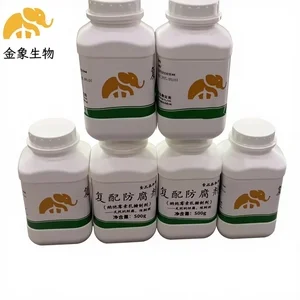
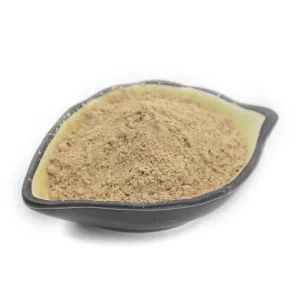
Explore our premium grade biological inhibitors and functional molecules optimized for target pathogen control and oxidation defense.
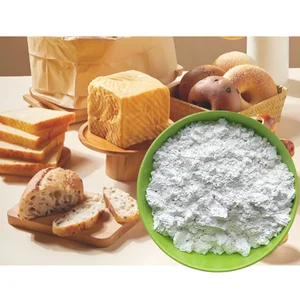
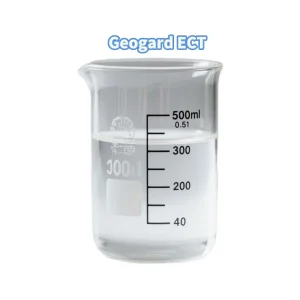
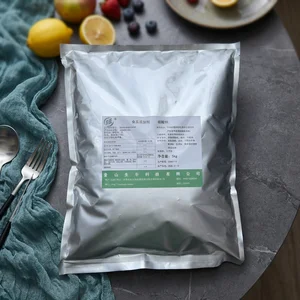
Modern industrial processing systems are undergoing a paradigm shift. Consumers are increasingly demanding "clean label" formulations, which has led manufacturers to move away from legacy synthetic additives like parabens, formaldehydes, and synthetic benzoates. Replacing these chemical agents requires a deep understanding of natural preservative biochemistry, bacterial cell structures, and microbial kinetics.
"True preservation is not merely arresting bacterial proliferation; it is the targeted disruption of microbial cell membranes through biomimetic inhibitors, without compromising the organoleptic profile of the carrier medium."
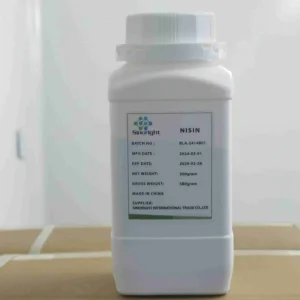
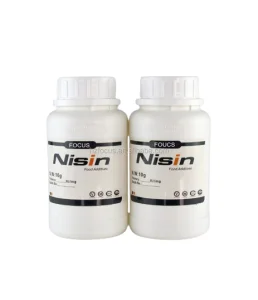
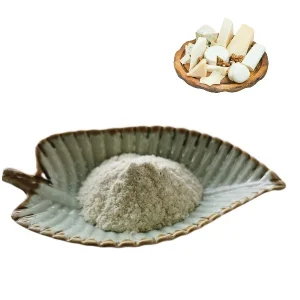
Our core approach utilizes naturally derived biomolecules. Polypeptide bacteriocins like Nisin E234 target Gram-positive microorganisms, while macrolide antifungals like Natamycin E235 target yeast and mold cell walls. In cosmetic formulations, bioactive plant compounds like Magnolia Bark Extract (with high concentration honokiol and magnolol) offer broad-spectrum protection. These natural compounds help brands meet clean-label requirements while keeping products stable and shelf-safe.
ISO9001:2015 | HACCP | HALAL | KOSHER
Shaanxi Mirae Biology Co., Ltd. is a specialized manufacturer and global supplier focused on the research, development, production, and distribution of high-purity botanical extracts, bio-preservation systems, cosmetic raw materials, and bioactive peptides.
Based in Shaanxi Province, China, a region rich in botanical resources and biotechnology research, we combine natural extraction with advanced purification technologies. This allows us to supply consistent ingredients that meet strict international regulatory standards.
We support partners across the food, beverage, cosmetic, and nutraceutical industries in North America, Europe, and Asia. Our technical and quality control teams work to ensure every batch meets required standards for purity, safety, and performance.
Our production facilities utilize modern extraction, purification, and drying systems. Every processing stage is monitored to maintain active molecule integrity.
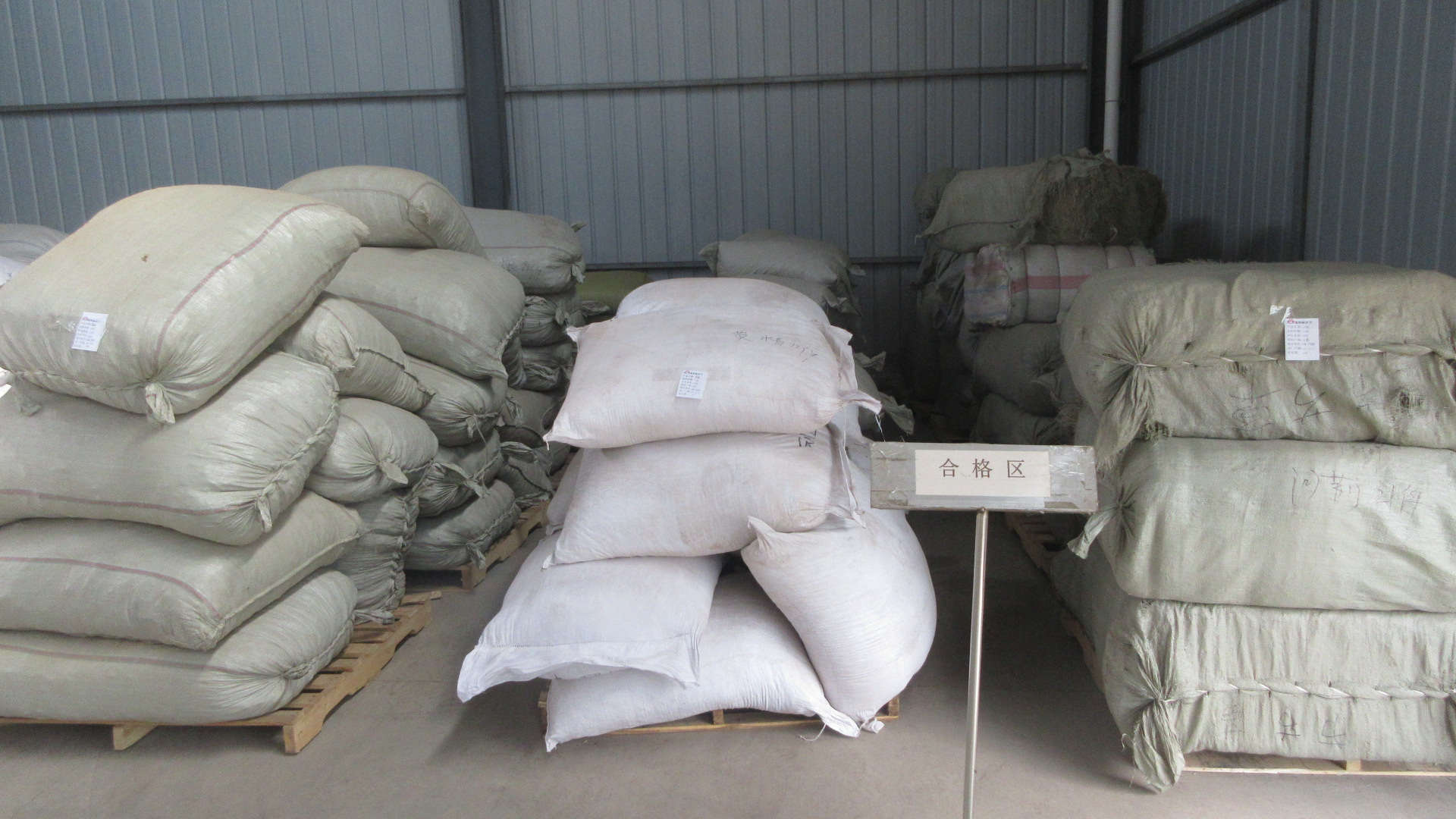
Strict screening and testing of non-GMO botanical inputs and bacterial strain media to prevent initial contamination.
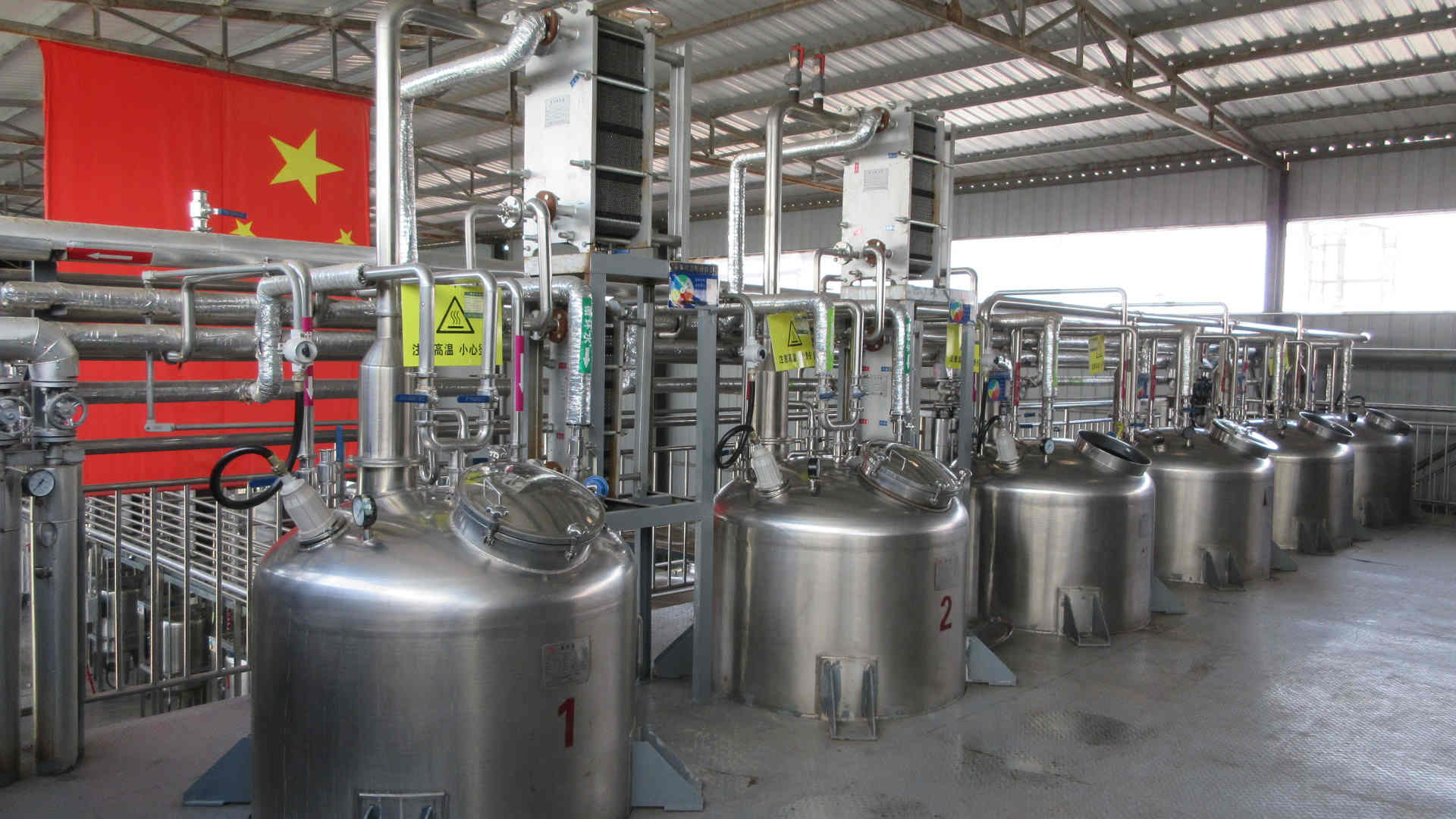
Aqueous or solvent-based separation targeting active polyphenols, organic acids, or peptide complexes under controlled conditions.
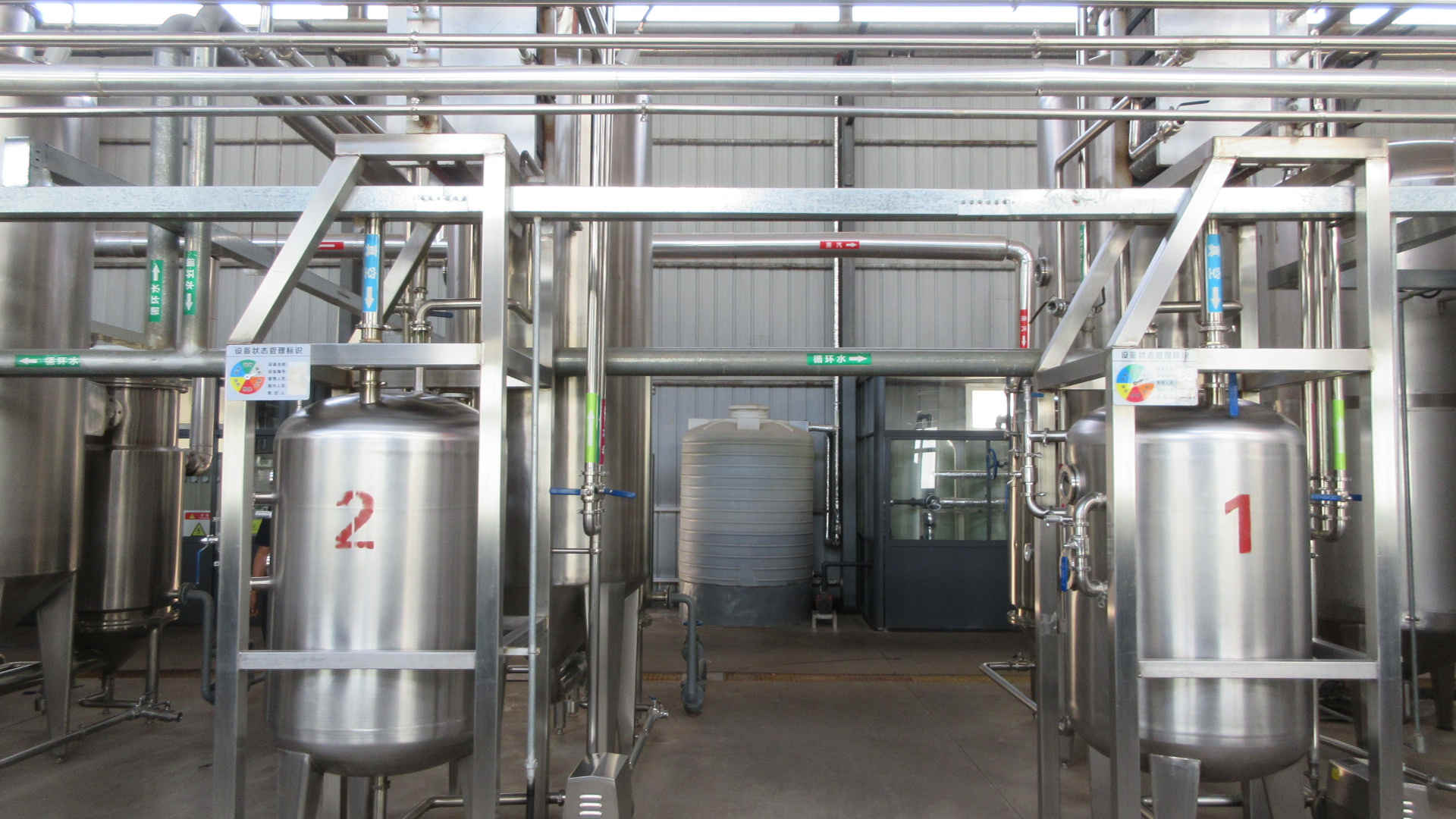
Low-temperature falling film evaporators remove moisture without degrading heat-sensitive botanical compounds.
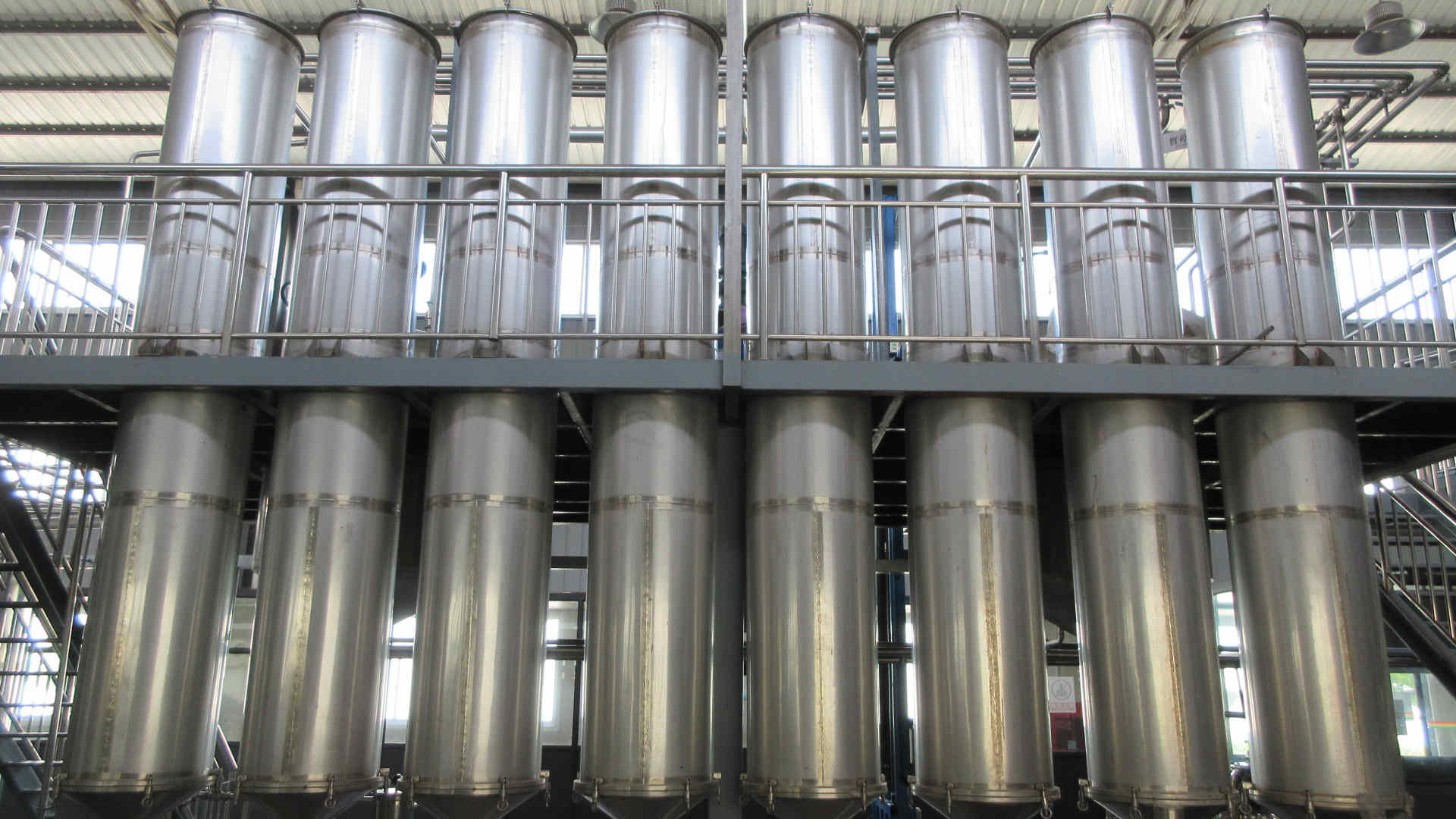
Chromatographic columns isolate target compounds from crude mixtures, increasing purification yields.
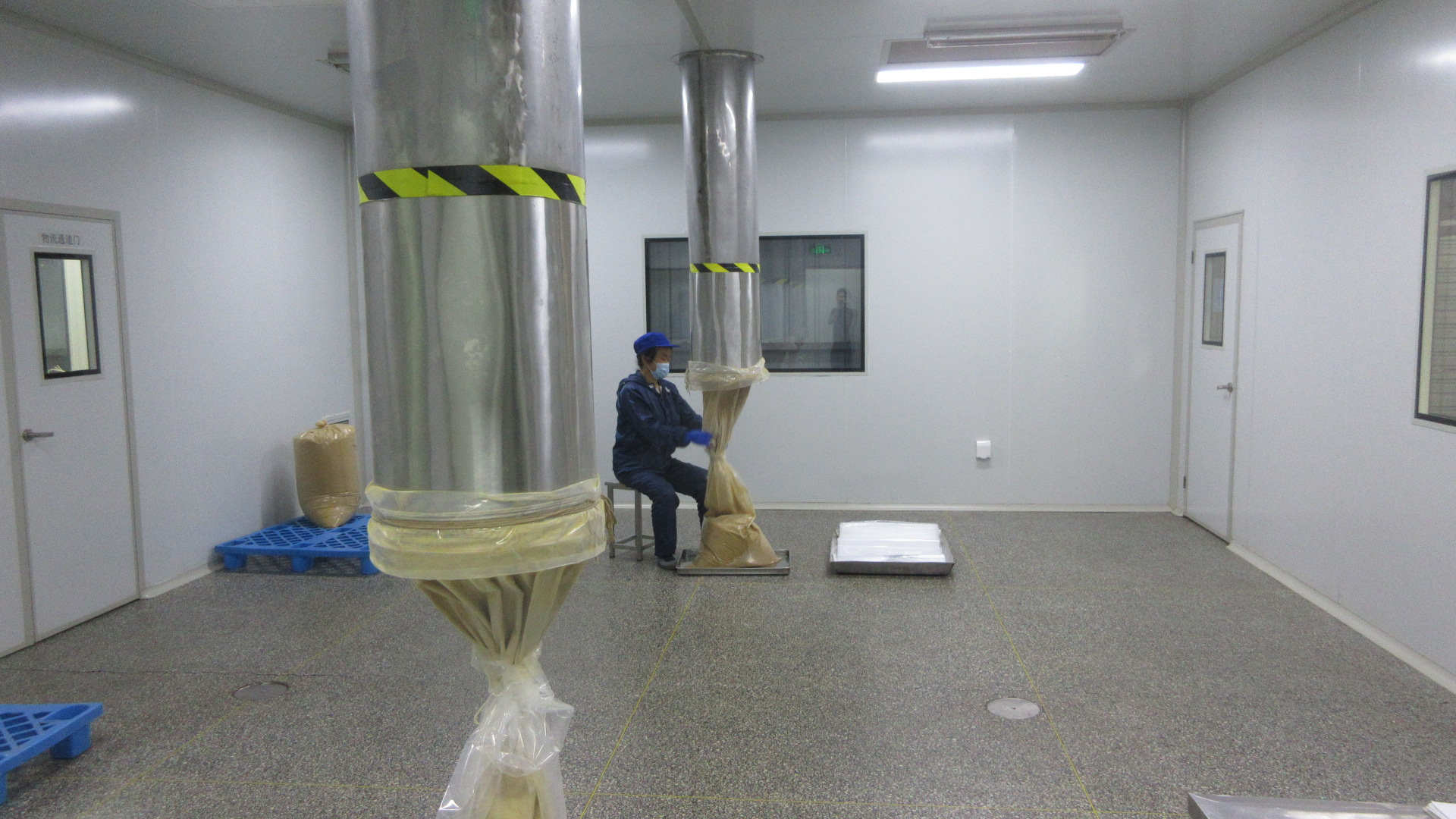
Advanced spray drying processes turn concentrated liquid into fine, water-soluble preservative powders.
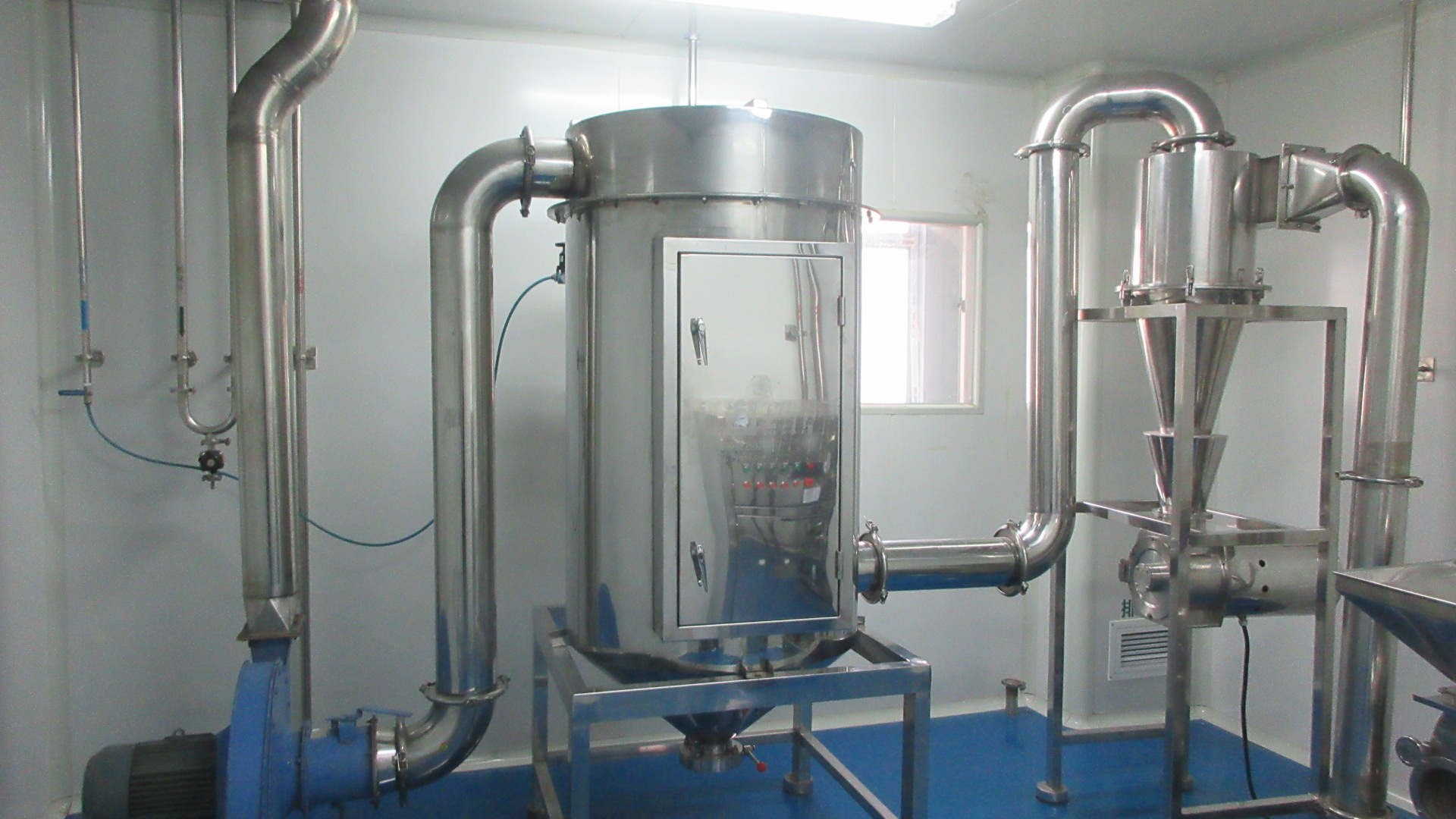
Classifying milling operations maintain uniform particle sizes, ensuring consistent solubility and dispersion.
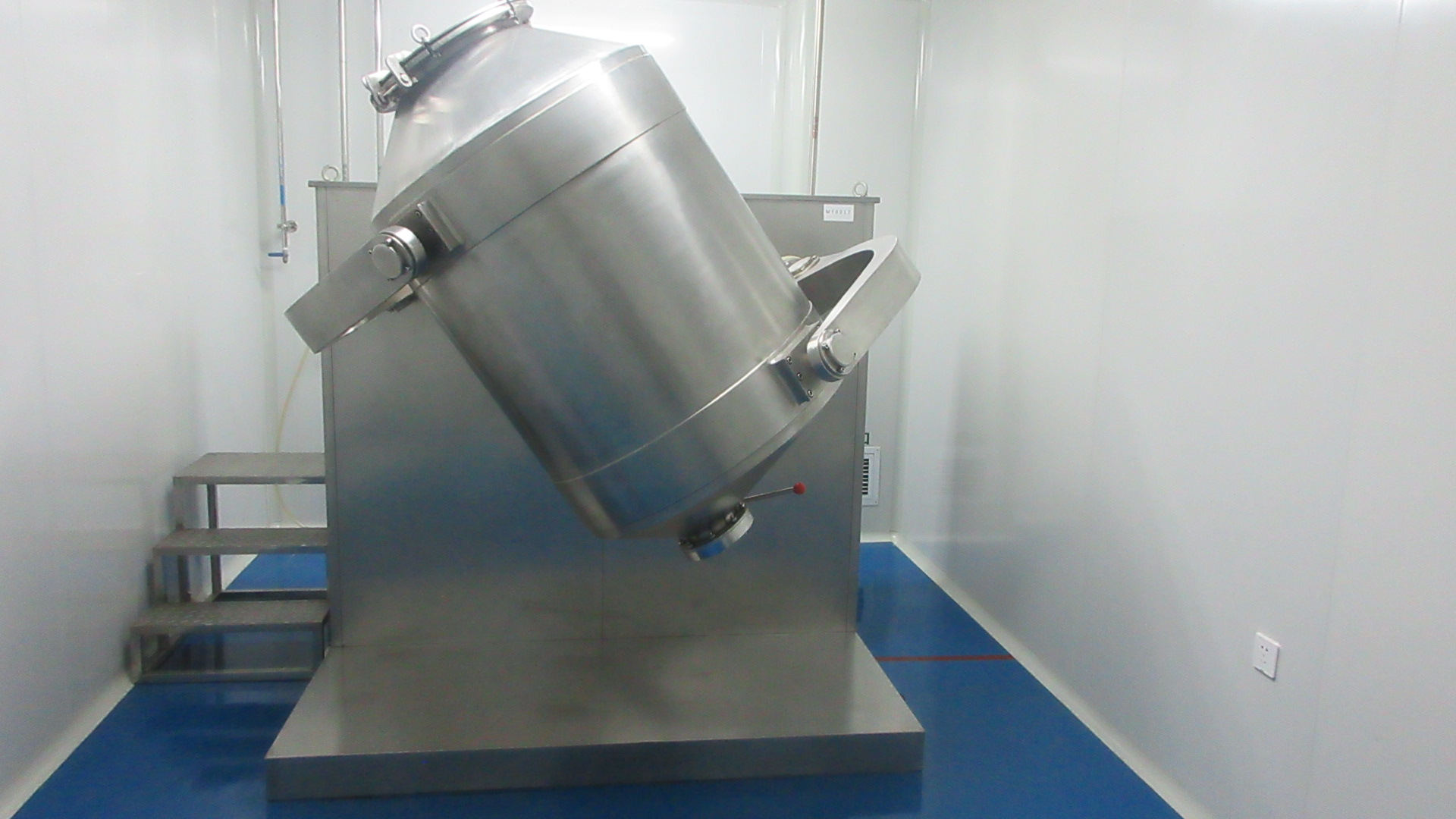
Mixing systems blend active ingredients with carriers, ensuring consistent quality throughout the batch.

Final testing of batches for microbial levels, heavy metals, active compound percentages, and stability.
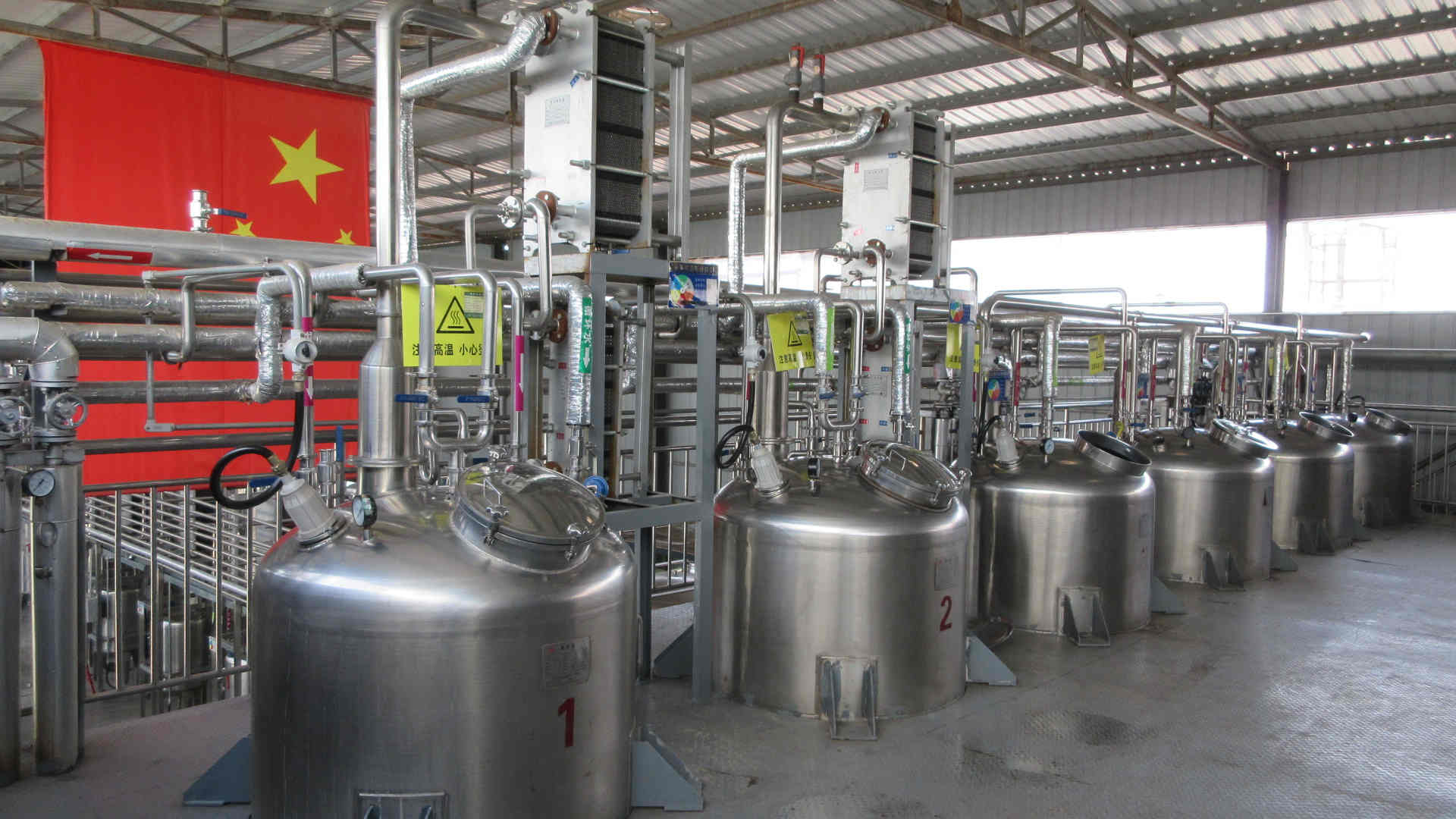
Large-scale stainless steel extraction vessels configured for precise heat and pressure profiling.
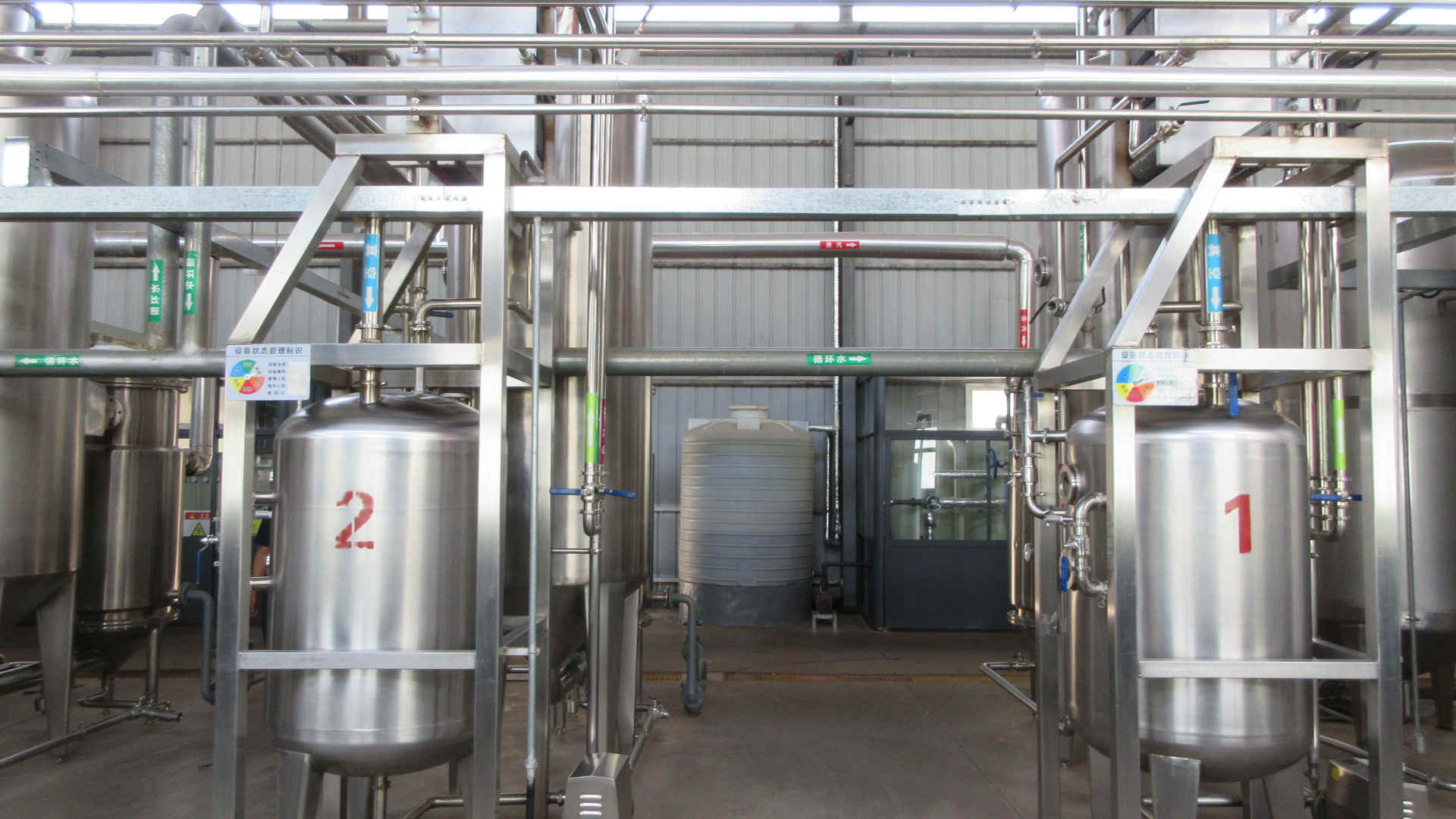
High-capacity evaporators remove solvents efficiently under vacuum pressure to preserve compound activity.
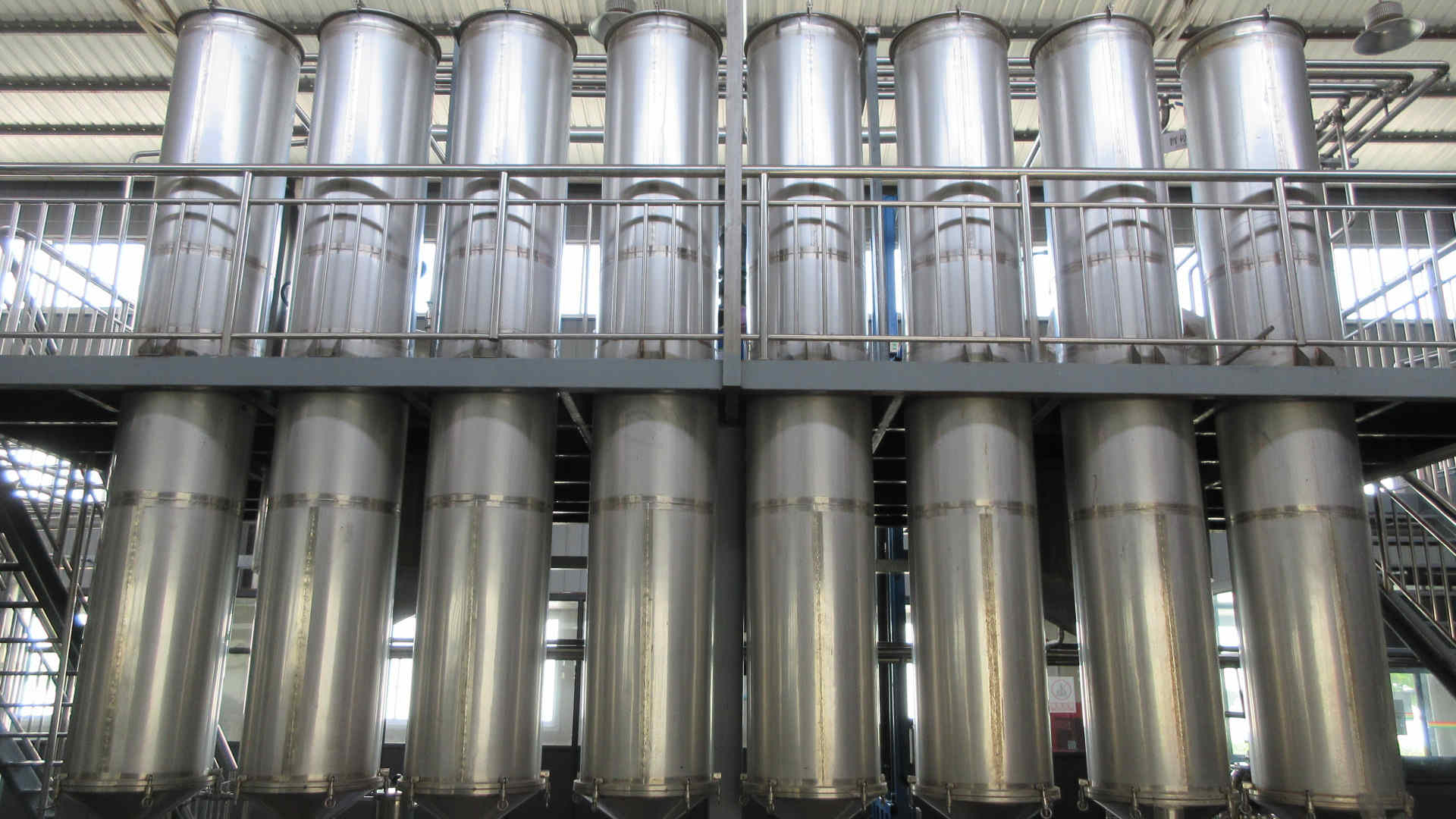
Chromatography setup designed to isolate complex natural molecules with minimal loss.
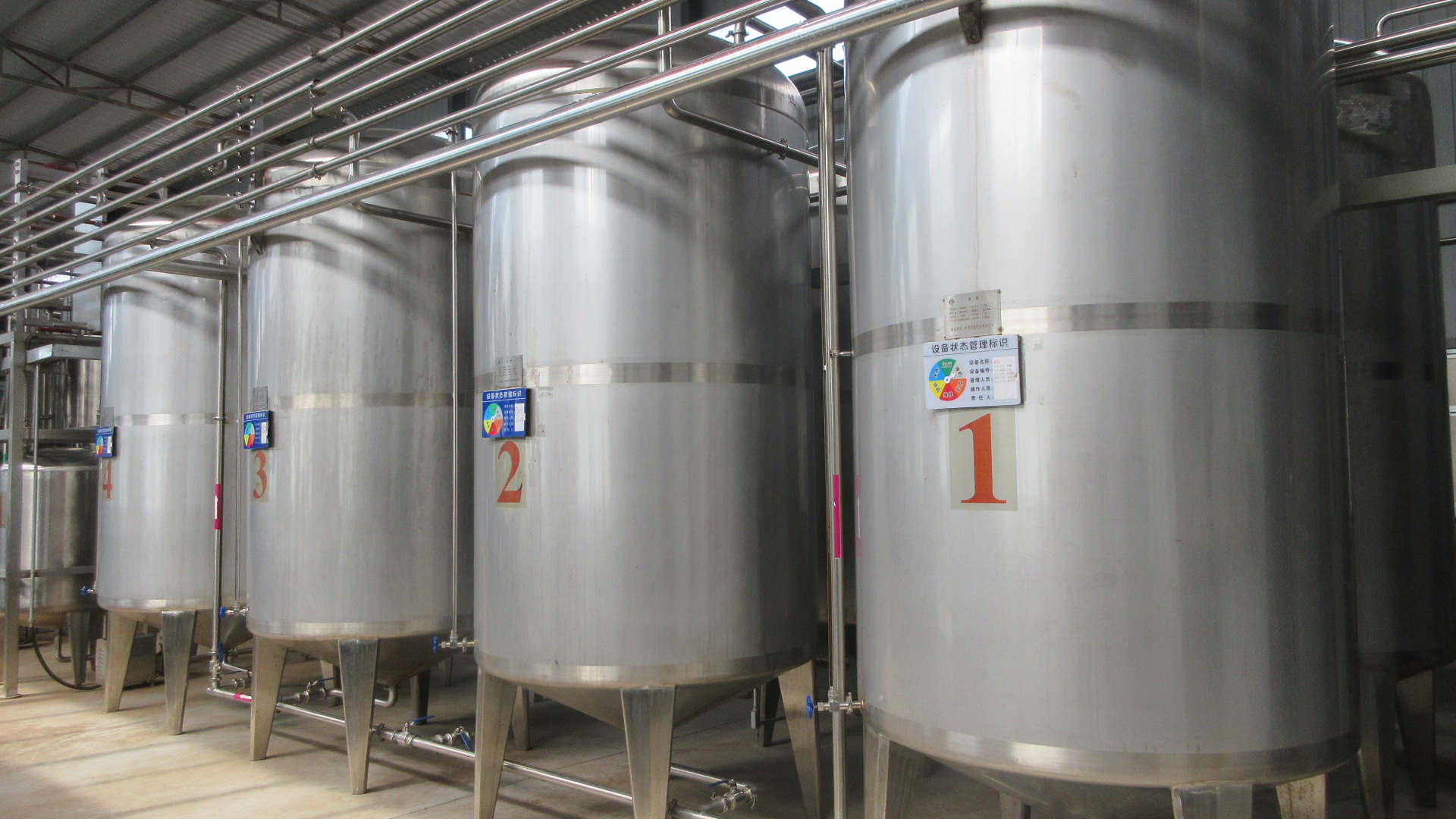
Stainless steel holding tanks keep raw concentrates safe and stable before final spray drying.
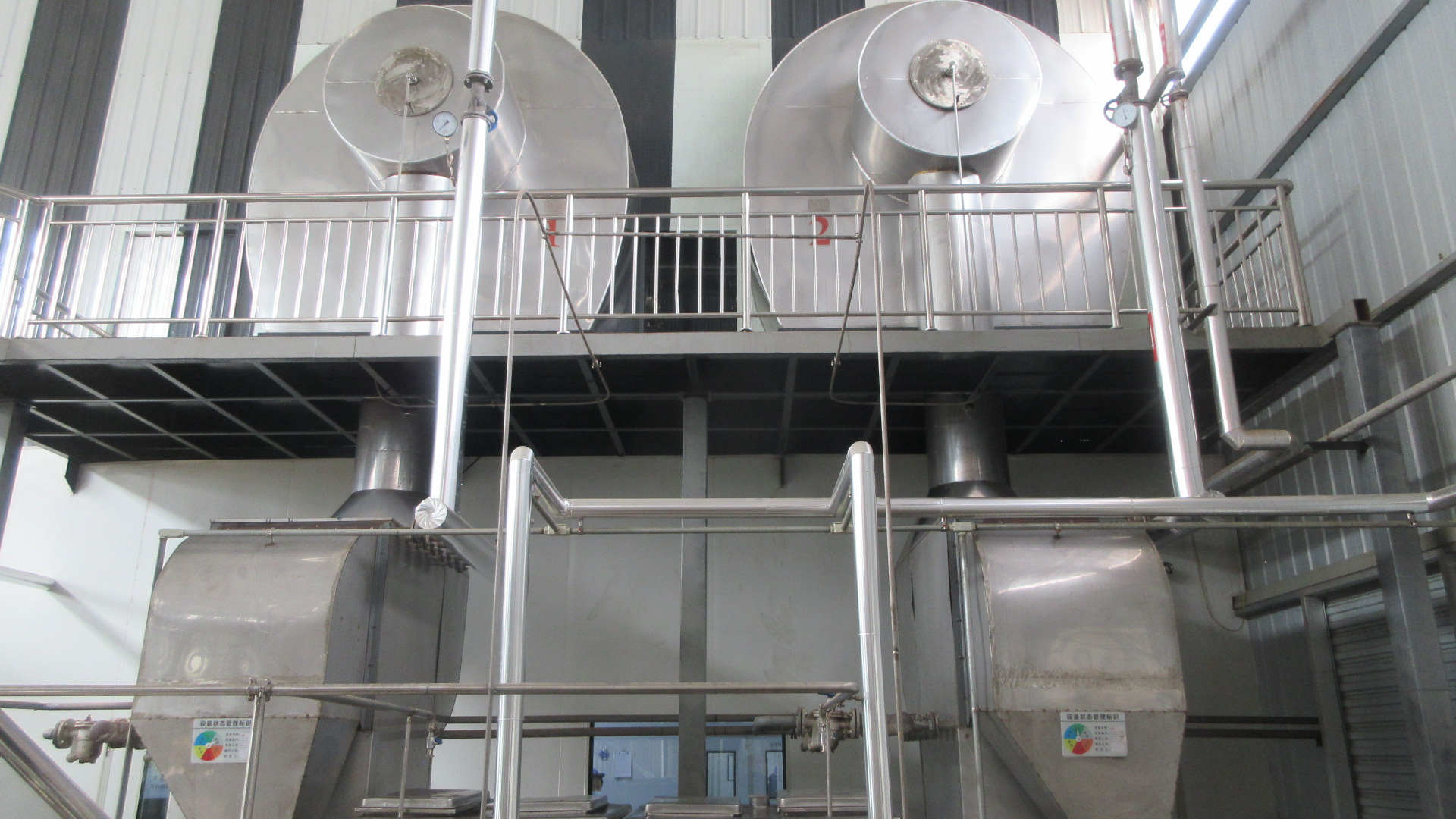
High-throughput drying tower converts liquid concentrates into fine, stable powders in seconds.
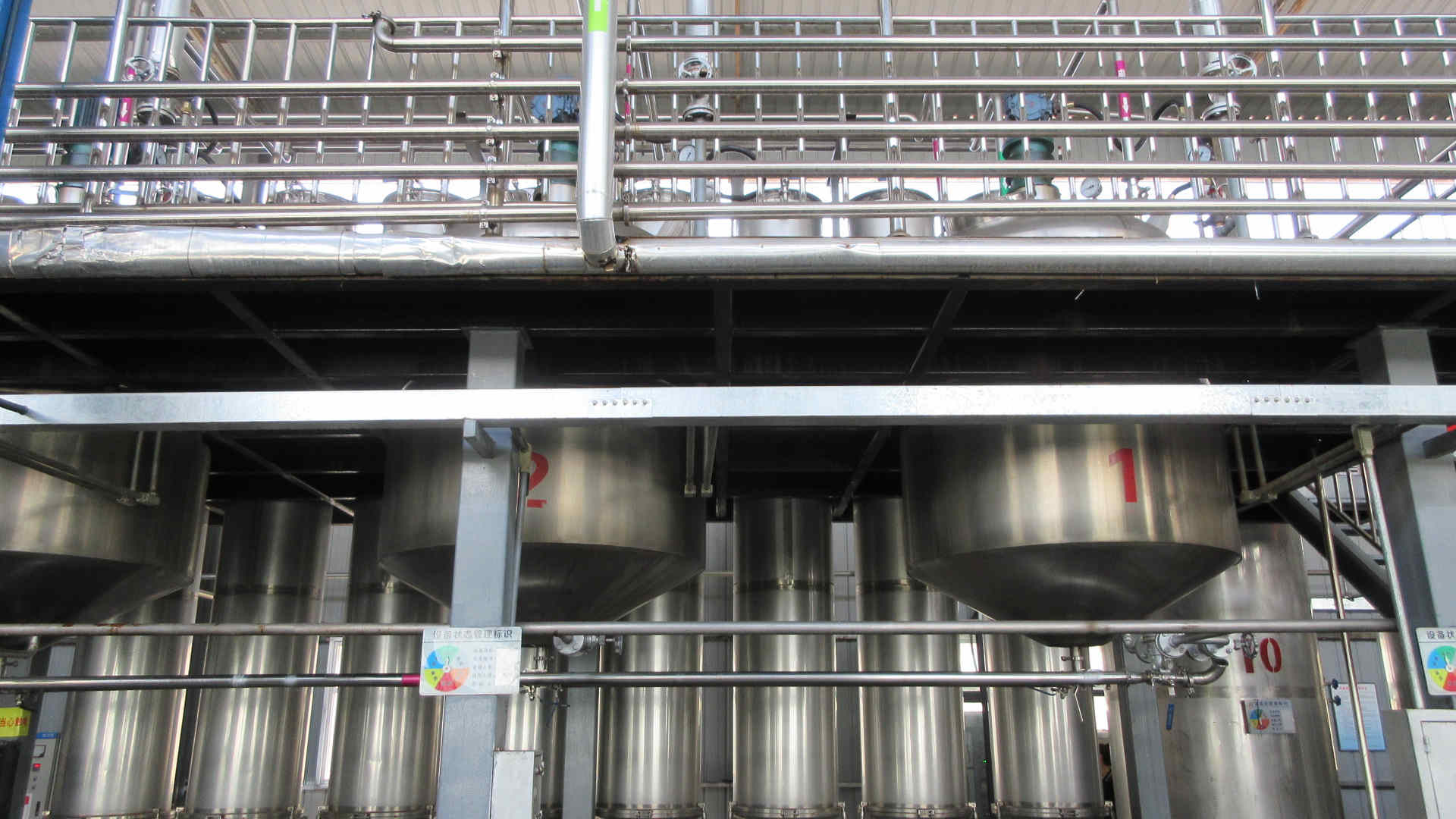
Standard reaction vessels used for modifying, complexing, and stabilizing sensitive biocidal compounds.
Adapting to the modern regulatory environment requires utilizing synergistic botanical combinations and advanced microbial inhibition strategies.
Formulators use natural synergy blends, like Nisin paired with organic acids, to reduce required dosages while maintaining preservation efficacy.
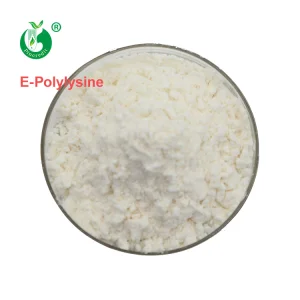
Traditional chemical options often fail in neutral pH ranges. Our bio-preservation systems, including Epsilon-Polylysine, remain active across pH 2.0 to 9.0.
Using Magnolia Extract and Sodium Phytate helps create systems free from synthetic glycols, phenoxyethanol, and parabens.
Our micro-pulverized and spray-dried powders dissolve quickly and completely, maintaining clarity in beverages and cosmetic formulations.
| Active Ingredient | Target Pathogens | Optimal pH Range | Thermal Stability Limit | Key Applications |
|---|---|---|---|---|
| Nisin E234 | Listeria, Clostridium, Bacillus, Gram+ bacteria | 3.0 - 6.0 | 121°C (30 mins) | Dairy, Canned Food, Liquid Eggs, Brewed Beer |
| Natamycin E235 | Penicillium, Aspergillus, Candida, Yeasts & Molds | 3.0 - 9.0 | 100°C (Short exposure) | Cheese Coating, Cured Meat Spray, Bakery Products |
| Epsilon-Polylysine | E. coli, Salmonella, Bacillus cereus, Yeast, Gram+/- | 2.0 - 9.0 | 121°C (30 mins) | Cooked Rice, Noodles, Prepared Salads, Saucery |
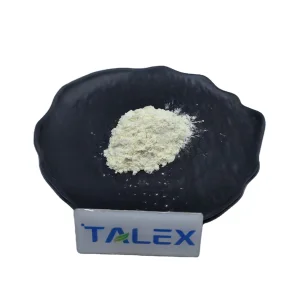
| Sodium Phytate | Cheles iron/metals, prevents discoloration, limits bacterial growth | 3.0 - 8.0 | Stable at high temp | Canned Fish, Beverages, Skincare Emulsions |
Operating as an international supplier requires compliance with varying regional regulations. Different jurisdictions (FDA, EFSA, CFDA) have distinct rules regarding classification, purity requirements, and maximum limits for ingredients like bacteriocins and plant extracts.
At Shaanxi Mirae Biology Co., Ltd., we support our clients with comprehensive compliance documentation. Every shipment includes a Certificate of Analysis (COA) detailing active ingredient assay percentages, heavy metals, pesticide residues, and microbial testing results. We also provide documentation showing compliance with non-GMO, Allergen-free, Halal, and Kosher standards to simplify import clearance.
Our logistics network handles cargo tracking, phytosanitary certificates, and customs documentation, helping to ensure smooth delivery to facilities in North America, Europe, the Middle East, and Asia.
Explore our targeted chemical compounds and botanicals optimized for cosmetics, high-temperature processing, and beverage systems.
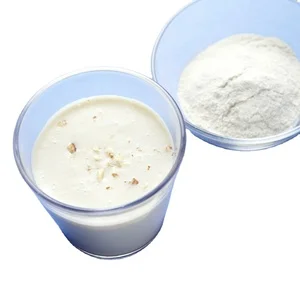
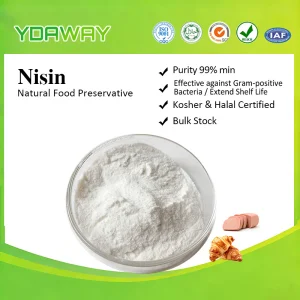
Our ongoing R&D projects focus on developing high-stability biopolymers and active carrier technologies.
Developing lipid carriers to shield active peptides from enzymatic breakdown, extending protection times in complex systems.
Combining purified plant extracts with biological peptides to target a wider range of microorganisms.
Expanding the use of pressurized water extraction and subcritical CO2 methods to minimize carbon footprint and solvent residues.
Expert answers addressing pH range stability, thermal conditions, and compatibility challenges in bio-preservation.
 Mirae Biology