Choosing a sauce thickener is a small decision with a visible result: a glossy pan sauce, a smooth gravy, or a spoon that leaves a clean track. So, what is the best natural thickener for sauces? It depends on the sauce, cooking method, and finish you want. Cornstarch thickens quickly but can turn cloudy or lose body with prolonged heating. Arrowroot gives a clearer sheen, while tapioca starch can feel elastic if overused. Flour brings a familiar, opaque finish, but needs cooking to lose its raw taste.
The commercial landscape is changing, too. MarketsandMarkets’ Hydrocolloids Market report projects growth from about US$11.9 billion in 2024 to US$16.2 billion by 2029. That broad category includes many food-texture ingredients; the forecast does not prove that one thickener suits every sauce. Food science writer Harold McGee explains in On Food and Cooking that starch granules absorb water and swell during heating, building thickness. This is a paraphrase of his explanation, not a direct quotation. The practical lesson is simple: match the ingredient to the heat, acidity, and texture your recipe needs. Test a small slurry in a warm spoonful before thickening the whole pot. Even careful tests can surprise you. A glossy sauce may thin after cooling, and a “natural” label alone says little about performance.
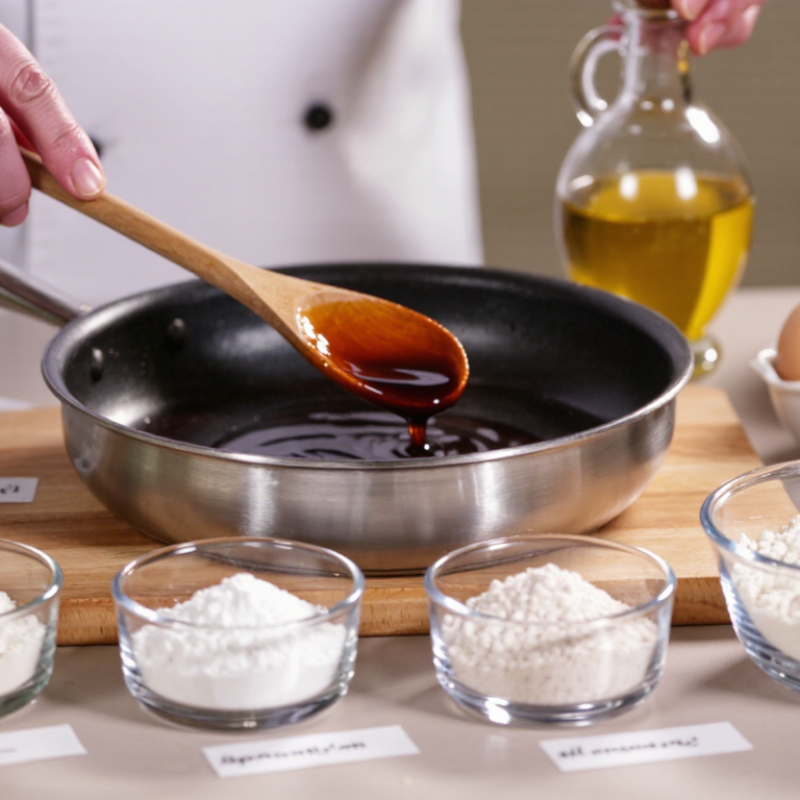
A natural thickener changes more than a sauce’s thickness. It affects how the sauce coats a spoon, carries flavor, and feels on the tongue. Starches, such as corn or potato starch, swell when heated with liquid and help create a smooth, spoon-coating texture. Flour can add body too, but it may bring a faint cereal taste unless cooked well.
Different thickeners behave differently. Arrowroot can give sauces a clear, glossy finish, while chia seeds form a gel that adds visible texture. That difference matters in a delicate lemon sauce versus a rustic vegetable gravy. Acid, heat, and cooking time can also affect the result. A starch slurry may thicken quickly, but prolonged boiling can make some starch-thickened sauces thin again. Small details, big difference.
For a practical test, stir a little thickener into cold liquid before adding it to a hot sauce. Whisk gradually, then let the sauce simmer briefly before judging its final consistency. It often thickens further as it cools. There is no perfect ratio for every pan; ingredient moisture and simmering time vary. Even careful cooks sometimes add too much. When that happens, extra liquid can help, though it may soften the flavor.
Cornstarch, tapioca starch, arrowroot, and flour-based roux create noticeably different sauces. Cornstarch gives a firm, opaque gloss; whisk it into cold water before adding it to hot liquid. Tapioca starch produces a clearer, slightly stretchy finish, useful for fruit sauces and shiny pan glazes. Arrowroot stays relatively clear and handles acidic ingredients well, but prolonged boiling can weaken its texture. Roux thickens gradually and adds toasted, savory flavor, though it makes sauces less transparent.
The USDA FoodData Central composition records list cornstarch at about 381 calories and 91 grams of carbohydrate per 100 grams, compared with roughly 358 calories and 89 grams for tapioca starch. These figures describe ingredients, not thickening power; the amount needed depends on the recipe. Heat, acidity, and freezing also change performance. One easy-to-miss trade-off: a sauce that looks silky in the pan may turn thin after reheating. Test the finished sauce under the conditions in which it will be served.
Tips: For a clear glaze, try tapioca. For a creamy gravy, use roux or cornstarch. Add starch slurry gradually, stirring as the sauce simmers. Stop when it lightly coats a spoon; adding more can make the texture pasty.
The best natural thickener depends on what your sauce must do, not simply how thick it should look. A glossy fruit sauce behaves differently from a creamy pan sauce. Consider acidity, fat, cooking time, and serving temperature before choosing. Arrowroot can create a clear, smooth finish, but prolonged boiling in an acidic sauce may weaken its thickening power. Tapioca starch also gives shine and handles freezing well, though too much can feel stretchy. That matters.
Think about the sauce’s texture and appearance, too. Flour thickens reliably in cooked sauces, but it can look cloudy and needs time to lose its raw taste. A small amount of finely ground chia can thicken a cold dressing, yet its subtle specks may not suit a silky sauce. Add starches gradually, whisking them into cool liquid first to reduce lumps. Then simmer briefly and check the texture after a minute; sauces often continue thickening as they cool. I still test a small batch when changing ingredients, since brands and recipes vary. A spoon-coating consistency at the stove may become too firm on the plate.
Match the thickener to the sauce’s texture, cooking time, and final use. Cornstarch gives a glossy, relatively clear finish, making it useful for fruit sauces and quick pan gravies. Mix it with cold water first, then stir it into simmering liquid. For long-cooked, acidic sauces, test carefully; prolonged heat can weaken some starch-thickened mixtures. A flour-and-fat roux suits creamy sauces that need steady simmering, but it creates a more opaque, rounded texture. Arrowroot can keep fruit sauces clearer, though vigorous boiling may make the result stringy. Start small.
For a sauce that must stay smooth after chilling, a tiny amount of xanthan gum can help; add it gradually, since too much feels slick. Markets signal how widely these ingredients are used, not which one will suit a particular recipe: Grand View Research valued the global starch market at about US$58.6 billion in 2023, and MarketsandMarkets projected the hydrocolloids market would reach US$15.8 billion by 2027. Neither figure measures sauce performance. I would still test a spoonful before thickening the whole pot, especially when wine, citrus, or reheating is involved. A perfect ratio on paper can disappoint in the pan.
Match a thickener to your recipe by considering the temperature at which its starch typically gelatinizes.
How to use this chart: Tapioca and potato starches typically thicken at lower temperatures; cornstarch works well for many everyday sauces, while arrowroot is another option for a glossy finish. These are approximate gelatinization ranges—actual results vary with the product and recipe. For best results, mix starch with cool liquid before adding it to a hot sauce.
Test sauce consistency at serving temperature, not straight from the pan. A hot sauce often flows more easily, then thickens as it cools. For a repeatable check, place a spoonful on a flat plate and tilt it for ten seconds. Note how far it travels. Cornstarch typically gelatinizes around 62–72°C (144–162°F), though the exact range varies with the starch and recipe (BeMiller and Whistler, Starch: Chemistry and Technology, 3rd ed., 2009). Heat gradually through that range, stirring, before judging the final body.
Add natural thickeners in small increments. For a starch slurry, whisk one part starch with cold water before adding it to simmering sauce; this helps prevent lumps. Give each addition a minute or two to hydrate, then test again. Too thick? Stir in warm stock or water, one tablespoon at a time. Too thin? Avoid dumping in dry powder. It clumps fast. A rotational viscometer can give more comparable readings across batches; ASTM D2196-20 describes methods for measuring non-Newtonian materials, including sauces.
Tips: Keep a simple log: thickener, amount, cooking time, and plate-test distance. Taste after adjusting; extra starch can mute flavor. I still find visual checks a little subjective, so use the same plate, spoon, and temperature each time.
| Natural Thickener | Starting Amount per 1 Cup (240 ml) Sauce | How to Add and Activate | Texture and Appearance | Best Suited For | Testing and Adjustment Tips |
|---|---|---|---|---|---|
| Cornstarch | About 1 tablespoon for a moderately thick sauce | Mix with an equal amount of cold water to make a smooth slurry. Whisk into the hot sauce and bring to a brief simmer. | Glossy, fairly clear finish; can become gel-like if overused. | Stir-fries, fruit sauces, and quick pan sauces. | Simmer briefly, then check the sauce. Add more slurry in small increments if needed; prolonged boiling can weaken the thickening. |
| Arrowroot starch | About 1 tablespoon for a moderately thick sauce | Mix with cold water first, then whisk into the hot sauce near the end of cooking. Avoid a prolonged boil. | Clear, glossy finish with a smooth, light texture. | Delicate sauces and fruit-based sauces where clarity matters. | Check consistency as soon as the sauce thickens. Long cooking or dairy-heavy mixtures may produce a less pleasing texture. |
| Tapioca starch | About 1 tablespoon for a moderately thick sauce | Disperse in cold liquid before adding to the hot sauce. Heat until thickened, stirring continuously. | Shiny, smooth, and slightly elastic if used generously. | Fruit sauces and sauces that benefit from a glossy finish. | Let the sauce cool slightly before judging: tapioca-thickened sauces can firm up as they stand. Add more in small slurry increments. |
| Potato starch | About 1 tablespoon for a moderately thick sauce | Stir into cold water, then whisk into a hot sauce near the end of cooking. Heat just until thickened. | Light, smooth texture with a relatively clear appearance. | Quick sauces that need thickening shortly before serving. | Avoid extended boiling after adding it, which can reduce its thickening power. Reassess after a short rest. |
| Wheat flour | About 2 tablespoons, cooked first in a roux with fat | Cook flour with an equal amount of fat, stirring, before gradually whisking in the liquid. Simmer to remove the raw-flour taste. | Opaque, hearty texture; usually less glossy than starch-thickened sauces. | Gravies, creamy sauces, and robust savory sauces. | Allow time for the sauce to simmer and thicken. If it is too thick, whisk in liquid a little at a time. |
| Xanthan gum | Start with about 1/16 teaspoon; use up to 1/8 teaspoon for a thicker result | Sprinkle very slowly while blending or whisking vigorously to prevent clumps. It does not require simmering to activate. | Smooth and stable; excessive amounts can feel slippery or gummy. | Gluten-free sauces and sauces that need thickening without extended cooking. | Start with the smallest amount, wait several minutes, then reassess. Add only a tiny pinch at a time. |
| Guar gum | Start with about 1/16 teaspoon; increase cautiously if needed | Disperse gradually into a cool or room-temperature liquid using vigorous blending, then allow it to hydrate. | Creates body without a flour-like appearance; too much can feel gummy. | Cold sauces, dressings, and sauces that should not be heated for thickening. | Give the sauce a few minutes to thicken before adding more. Use very small increments and blend thoroughly. |
| Consistency test: Coat the back of a spoon and draw a line through the coating with a clean finger. If the line stays open, the sauce is relatively thick; if it quickly fills in, continue thickening gradually. Test again after a brief rest, since many sauces become thicker as they cool. For any thickener, add a small amount, mix thoroughly, and reassess before adding more. | |||||
Consider acidity, fat, cooking time, and serving temperature. A glossy fruit sauce behaves differently from a creamy pan sauce.
Mix it with cold water before adding it to simmering liquid. It can create a glossy, fairly clear finish. Start small.
A flour-and-fat roux works well in creamy sauces that need steady simmering. It creates an opaque, rounded texture and needs time to lose its raw taste.
Arrowroot can keep fruit sauces clear and smooth. Long boiling, especially in an acidic sauce, may weaken its thickening power or make the texture stringy.
It adds shine and can handle freezing well. Too much may feel stretchy. That can be surprising.
A small amount of finely ground chia can thicken a cold dressing. Its tiny specks may not suit a silky sauce.
A little xanthan gum may help a sauce stay smooth after chilling. Add it gradually, since too much can feel slick.
Whisk starch into cool liquid first, then add it gradually. Simmer briefly and check after a minute; the sauce may thicken as it cools.
Yes. Test a spoonful, especially with wine, citrus, or reheating. A sauce that coats a spoon at the stove may become too firm on the plate. I still get this wrong sometimes.
Natural thickeners can improve a sauce’s body, texture, and stability while helping its other ingredients shine. The best choice depends on how the thickener behaves when heated, whether it adds flavor or cloudiness, and the texture you want. Starch-based options can create a smooth, glossy finish, while alternatives such as pureed vegetables, ground seeds, or reduced ingredients may add more character and substance. There is no single answer to “what is the best natural thickener for sauces”; the right option depends on the recipe.
Consider the sauce’s acidity, cooking time, temperature, and desired thickness before choosing. Add a thickener gradually, following any preparation steps it requires, and allow the sauce time to cook or rest before judging the result. Test a small amount first, then adjust in increments, stirring thoroughly to prevent lumps or an overly heavy texture. With a little experimentation, you can match the thickener to the dish and achieve a consistency that suits the sauce.

Mirae Biology