How to Choose the Safest Food Additive for Preservation?

Time:2026-06-30 Author:Amelia
0%

When it comes to food preservation, safety is a top priority. The question on many minds is, "what is the safest food additive for preservation?" Dr. Emily Johnson, a renowned food safety expert, emphasizes, “Choosing the right additive can significantly impact health.” Her insights guide consumers in making informed choices.

Food additives play a crucial role in extending shelf life. However, not all additives are created equal. Some may pose health risks while others may not be as effective. This creates a dilemma for both manufacturers and consumers. Understanding the range of options available is essential.

There is an array of preservatives, such as sodium benzoate and citric acid. Each comes with its benefits and limitations. Dr. Johnson suggests researching each additive. Reflecting on your choices can lead to better health outcomes. Always consider ingredient labels carefully; this small act can greatly influence your safety.
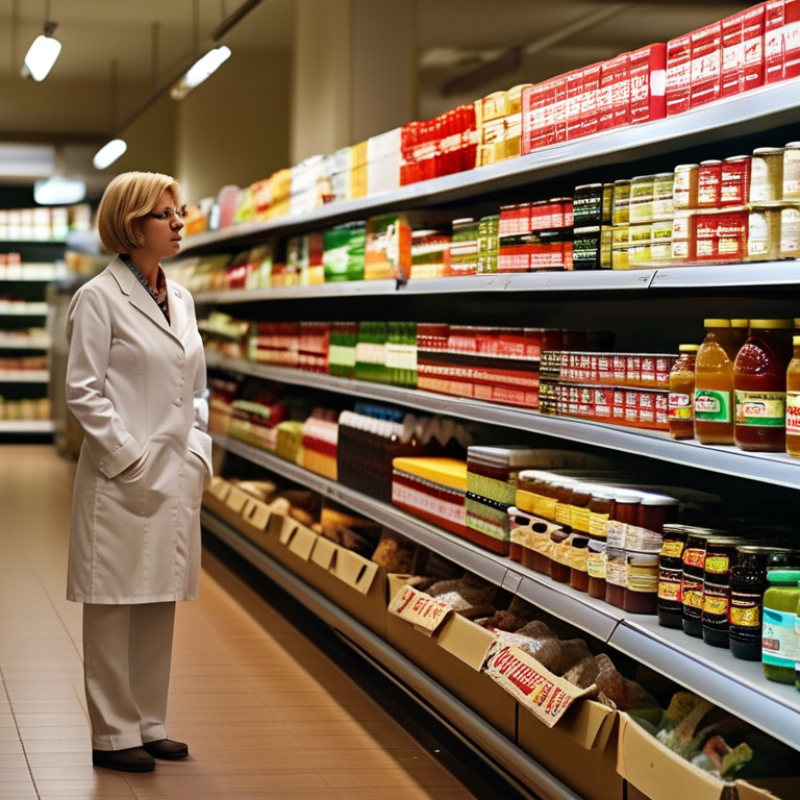
How to Choose the Safest Food Additive for Preservation?

Understanding Food Additives: Definitions and Categories

Food additives play a crucial role in food preservation. They are substances added to food to enhance its flavor, appearance, or shelf life. Understanding these additives helps consumers make informed choices. Additives can be classified into several categories, including preservatives, colorings, and flavor enhancers.

Preservatives are perhaps the most well-known. They help prevent spoilage and extend the life of food products. Common preservatives include salt, sugar, and vinegar. Each has a unique role and effectiveness. Some preservatives may be natural, while others are synthetic. Consumers often question the safety of synthetic options. Research provides mixed insights, indicating the need for careful evaluation of these substances.

Coloring agents enhance the visual appeal of food. They can make products more attractive but might raise concerns. Natural colorings are generally viewed as safer, yet they may fade over time. Meanwhile, artificial colors often receive scrutiny. Understanding the risks associated with each additive helps consumers weigh their choices. Ultimately, knowledge empowers individuals to decide which food additives align with their health principles.

Safety Standards for Food Additives: Regulatory Overview and Compliance

When selecting food additives for preservation, understanding safety standards is crucial. Regulatory bodies worldwide, such as the FDA in the U.S. and EFSA in Europe, maintain strict guidelines. Reports indicate that approximately 30% of food additives are subject to ongoing safety assessments. These assessments help ensure consumer protection. Compliance is essential, as additives must meet specific safety thresholds before approval.

In recent studies, around 50% of food manufacturers express concerns regarding compliance costs. Many find it challenging to stay updated with evolving regulations. This often leads to inadequate knowledge about safe additive usage.

Tips: Always review the latest regulatory updates. Consult industry databases for recent safety reports on additives. Engage with professionals who specialize in food safety compliance for insights.

Moreover, not all additives are equally safe. Some may have potential health risks that vary by dosage and exposure duration. Limited research exists for many newer additives, highlighting the complexity of making informed choices. Continuous education in food safety is vital for manufacturers and consumers alike to identify safe preservatives.

Safety Standards for Food Additives: Regulatory Compliance

Evaluating Natural vs. Synthetic Food Preservatives: A Comparative Analysis

When considering food preservation, understanding the difference between natural and synthetic additives is crucial. Natural preservatives, such as vinegar and salt, have been used for centuries. A 2021 report from the Journal of Food Science revealed that over 75% of consumers prefer natural options. They are perceived as safer and healthier. However, the efficacy of natural preservatives can be inconsistent. For example, salt can draw moisture away, but its ability to inhibit harmful bacteria varies with the type of food.

On the other hand, synthetic preservatives like sodium benzoate and potassium sorbate are often more effective. A study published in Food Control indicated that synthetic additives can significantly extend shelf life. In many cases, they inhibit microbial growth more reliably than natural counterparts. Nevertheless, some consumers express concerns about potential side effects. An analysis from the FDA noted that while synthetic preservatives are deemed safe in small amounts, long-term health effects are still under investigation.

Understanding the balance between safety and effectiveness is key. Consumers must evaluate individual needs and preferences. Personal research can guide choices. A healthy skepticism is valuable in this context. Using both types cautiously may lead to better outcomes.

Impact of Food Additives on Health: Benefits and Risks Explored

Food additives play a significant role in preservation. However, their impact on health brings both benefits and risks. Some additives enhance the shelf life of products, while others may pose health concerns. For example, certain preservatives prevent spoilage and maintain freshness. They can help reduce food waste.

Not all additives are created equal. Some are derived from natural sources, while others are synthetic. Natural additives often carry less risk, yet their effectiveness may vary. Concerns arise over artificial additives, as they may lead to allergic reactions or long-term health issues. Research continues to explore these impacts, but definitive conclusions remain elusive.

Choosing safer food additives requires careful consideration. Understanding specific additives is essential. Check for regulations and safety assessments. Seek transparency from producers about their ingredients. Personal experiences and health conditions also influence choices. As knowledge evolves, so must our awareness of food preservation methods and their implications for health.

How to Choose the Safest Food Additive for Preservation? - Impact of Food Additives on Health: Benefits and Risks Explored

Food Additive Function Benefits Potential Risks
Sodium Benzoate Preservative Prevents growth of bacteria, yeast, and fungi Possible allergic reactions and hyperactivity in children
Sorbic Acid Preservative Effective against molds and yeasts Some may experience gastrointestinal issues
Ascorbic Acid (Vitamin C) Antioxidant Prevents oxidation and browning High doses may lead to digestive discomfort
Calcium Propionate Preservative Widely used in bread to inhibit mold May cause allergic reactions in sensitive individuals
Citric Acid Acidulant and preservative Enhances flavor and preserves food High concentrations can irritate skin and mucous membranes

Consumer Awareness: How to Identify Safe Food Additives in Products

Consumer awareness plays a crucial role in identifying safe food additives. The Food and Drug Administration (FDA) provides a list of approved food additives. Many consumers, however, remain unaware of these resources. According to a recent survey, only 37% of people can identify common safe additives in their food. This highlights the need for consumers to educate themselves about food label ingredients.

Understanding food labels is essential. Look for terms like "natural" and "organic" as indicators of safer options. Studies show that additives like citric acid and ascorbic acid are generally safe. These additives not only enhance flavor but also extend shelf life. Nonetheless, not all additives are harmless. Some can cause allergic reactions or other health issues in sensitive individuals.

The importance of research cannot be overstated. It's crucial to cross-reference food additives with reliable databases. For instance, the European Food Safety Authority (EFSA) sets stringent regulations for food additives. Consumers should question the necessity of additives used in their products. Remaining informed promotes healthier choices, benefiting both personal health and the environment. Educating oneself is a journey filled with learning opportunities.

FAQS

: What are food additives?

: Food additives enhance flavor, appearance, or shelf life. They help in food preservation.

What types of food additives exist?

Common categories include preservatives, colorings, and flavor enhancers. Each serves a unique purpose.

What are natural preservatives?

Natural preservatives include vinegar and salt. They have been used for centuries to extend food life.

Are synthetic preservatives safe?

Synthetic preservatives can be effective but raise safety concerns. Long-term health effects need more research.

Why do consumers prefer natural additives?

Many view natural options as healthier. A study found that over 75% choose them for safety perceptions.

Do coloring agents affect food health?

Coloring agents enhance appearance but may raise health concerns. Natural colors often fade, while artificial colors are scrutinized.

What risks do food additives pose?

Some additives may cause allergic reactions or long-term health issues. Ongoing research aims to clarify these risks.

How can consumers evaluate food additives?

Research specific additives and check for safety regulations. Transparency from producers is important for informed choices.

What role do personal health and experiences play?

Individual health conditions influence additive choices. Each person's experience can shape their preferences and concerns.

Can both natural and synthetic additives be used together?

Yes, using both types cautiously might yield better preservation results. However, careful consideration is essential.

Conclusion

In the quest to determine what is the safest food additive for preservation, it's essential to first understand the various types of food additives and their classifications. The regulatory landscape plays a crucial role in ensuring the safety of these additives, with stringent standards and compliance measures in place. A comparative analysis between natural and synthetic preservatives highlights the ongoing debates around their safety profiles and effectiveness.

Moreover, the impact of food additives on health encompasses both their benefits in extending shelf life and the potential risks associated with their consumption. For consumers, being aware of how to identify safe food additives in products is vital. Ultimately, choosing the safest food additive for preservation necessitates an informed approach, considering both scientific data and personal health considerations.

Amelia

Amelia

Amelia is a seasoned marketing professional with a wealth of expertise in our company’s core offerings. With an unwavering passion for driving growth and innovation, she plays a pivotal role in shaping our marketing strategies and enhancing brand visibility. A key aspect of her responsibilities......