In the world of organic cosmetics, maintaining product quality is crucial. Experts agree on the challenges of preserving these natural formulations. Dr. Emily Foster, a leading authority in organic cosmetic chemistry, emphasizes, "Understanding how to extend the shelf life of organic cosmetics is essential for both manufacturers and consumers." Her insights guide many in the industry.
Organic cosmetics often contain fewer preservatives than conventional products. This makes them more susceptible to spoilage. Factors such as temperature fluctuations and exposure to light can significantly shorten their lifespan. Choosing the right packaging and storage conditions plays a vital role in enhancing durability.
Some natural ingredients can pose challenges. While beneficial, they may lead to faster degradation. Consumers must be aware of product expiry dates and proper storage methods. Addressing these issues can lead to a more sustainable beauty routine. Ultimately, knowing how to extend the shelf life of organic cosmetics can enrich both the experience and effectiveness of these products.
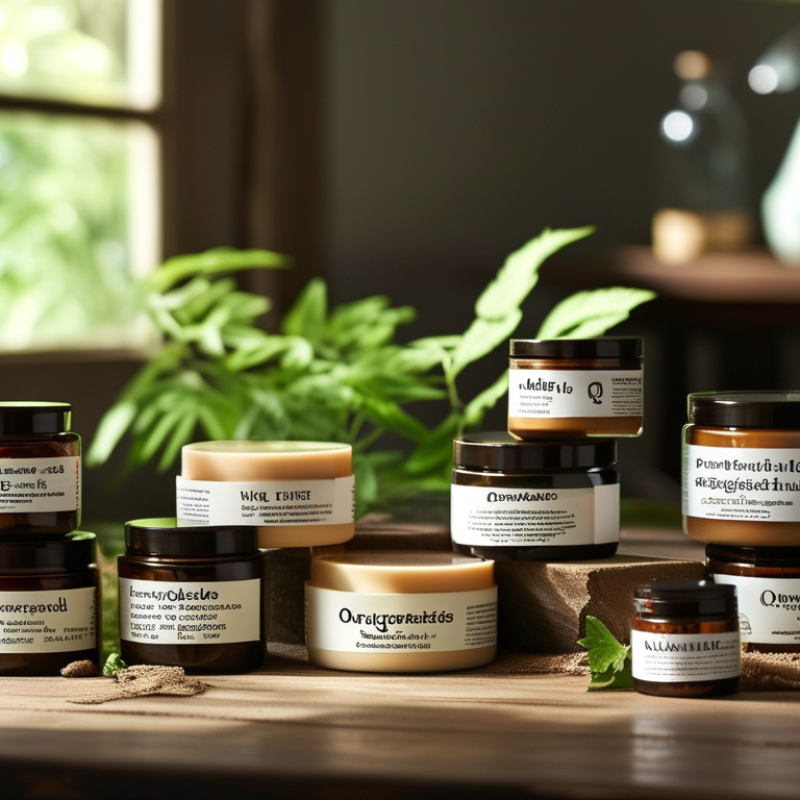
Understanding the importance of shelf life in organic cosmetics is crucial for consumers. Organic products often use natural ingredients, which can lead to shorter shelf lives compared to synthetic alternatives. These shorter shelf lives can impact both safety and efficacy. As these products degrade, their effectiveness may diminish, and they could become unsafe to use.
Consumers should be mindful of storage conditions. Heat, light, and moisture can accelerate the degradation process. Keeping products in cool, dark places can help retain their quality. Regularly checking expiration dates is important. Products that appear discolored or have changed in texture should be discarded.
It's also vital to consider the packaging. Air-tight containers can help limit exposure to contaminants. However, even the best packaging cannot prevent decay indefinitely. Awareness and education about these factors can empower consumers. Making informed choices ensures that organic cosmetics remain effective and safe for daily use.
The shelf life of organic cosmetics can vary significantly due to several factors. One key factor is the absence of synthetic preservatives, which makes these products more susceptible to microbial contamination. According to a study published in the International Journal of Cosmetic Science, around 50% of organic cosmetic products failed microbial tests during their shelf life assessments. This highlights the importance of understanding how the formulation impacts longevity.
Temperature plays a crucial role in preserving the quality of organic cosmetics. High temperatures can accelerate degradation, while cold conditions may cause separation. The American Society for Testing and Materials (ASTM) recommends keeping products at a stable temperature, ideally between 15-25 degrees Celsius. Products stored in fluctuating environments often have shorter lifespans.
Packaging also affects the shelf life of these cosmetics. Despite the shift toward eco-friendly materials, many still fail to provide adequate protection. A report from the Cosmetic Ingredient Review indicates that UV light can break down certain natural ingredients, reducing effectiveness. Moreover, air exposure can lead to oxidation, which may alter the fragrance and texture of products. Thus, even the most well-formulated organic cosmetics need careful handling and storage to maximize their life span.
When it comes to preserving organic ingredients in cosmetics, several best practices can significantly extend their shelf life. Research indicates that organic products, often lacking synthetic preservatives, can be prone to microbial growth and oxidation. A study published in the Journal of Cosmetic Science found that up to 80% of organic cosmetic products showed signs of deterioration within six months.
The first step in effective preservation is proper formulation. Using chelating agents can help stabilize ingredients by binding metal ions that may catalyze degradation. Additionally, adjusting the pH levels can enhance stability. According to a report by the Cosmetic Ingredient Review, maintaining a pH between 4.5 and 5.5 is ideal for many organic ingredients.
Storage conditions matter greatly. Products should be kept in dark, cool environments to combat light and heat exposure, which can accelerate spoilage. Packaging also plays a critical role; air-tight containers prevent oxidation and contamination. Despite these measures, it is crucial to regularly assess the products for any signs of spoilage. Even with the best practices, some products may still show signs of degradation over time, necessitating careful monitoring.
| Practice | Description | Effectiveness (1-10) | Recommended Usage |
|---|---|---|---|
| Keep in Cool & Dark Places | Store products away from direct sunlight and heat sources to slow down degradation. | 9 | Always store in a cabinet or drawer. |
| Use Airless Pump Bottles | Minimize air exposure by using airless packaging to prolong freshness. | 8 | Ideal for serums and creams. |
| Add Natural Preservatives | Incorporate ingredients like vitamin E or rosemary extract to enhance shelf life. | 7 | Use as part of the formulation process. |
| Maintain Hygiene | Ensure hands and containers are clean before touching products to prevent contamination. | 10 | Practice at all times. |
| Keep Containers Tightly Sealed | Ensure that lids are tightly closed after each use to protect from air and moisture. | 8 | Always check seals after use. |
Natural preservatives play a crucial role in extending the shelf life of organic cosmetics. They help protect products from microbial growth, which can lead to spoilage. Popular options include essential oils, vitamin E, and botanical extracts. These ingredients not only prolong the product's usability but also enhance its effectiveness. However, they do come with challenges.
Using natural preservatives requires careful consideration. For instance, essential oils can cause skin irritation in some individuals. It's vital to test these ingredients to ensure safety for diverse skin types. Additionally, natural preservatives may have varying effectiveness compared to synthetic options. Regular testing of the product’s stability is necessary to assess whether they perform as needed.
Furthermore, the choice of preservatives should align with the overall formulation. Each ingredient interacts differently, potentially affecting the efficacy of the formula. As natural ingredients can have a limited shelf life, ongoing research is necessary. Balancing preservation with the product's health benefits remains an important challenge for formulators in the organic cosmetics industry.
Proper storage techniques play a critical role in extending the shelf life of organic cosmetics. Many people overlook the importance of temperature and light. Storing products in a cool, dark place can help prevent degradation. High heat and direct sunlight can cause ingredients to break down and lose their effectiveness. Consider using darker containers to limit light exposure.
Moisture is another enemy of organic cosmetics. Keep lids tightly closed to prevent water from contaminating products. A dry environment is vital. You should avoid storing cosmetics in the bathroom, where humidity fluctuates. Instead, opt for a dresser or drawer. Clean your storage area regularly to keep it free from dust and debris.
Despite these measures, many users find their organic cosmetics still expire sooner than expected. Sometimes, it can be challenging to recognize signs of spoilage. Be mindful of changes in texture, scent, or color. It’s essential to periodically review your collection. This not only helps maintain quality but also encourages responsible consumption. Keeping track of expiration dates is a good habit. Regular checks can save you from using ineffective or potentially harmful products.
: The absence of synthetic preservatives and microbial contamination significantly affects the shelf life.
High temperatures can speed up degradation, while cold can cause separation.
Ideally, store them between 15-25 degrees Celsius for longer shelf life.
Yes, inadequate packaging can expose products to UV light and air, causing oxidation.
Keep them in a cool, dark place away from heat and direct sunlight.
Moisture can lead to contamination; keeping lids tight helps prevent this.
It's not recommended due to fluctuating humidity levels in bathrooms.
Look for changes in texture, scent, or color, which may indicate spoilage.
Regularly check expiration dates and dispose of any products that are past due.
Many overlook proper storage; good habits can prevent wasting products.
The article "How to Extend the Shelf Life of Organic Cosmetics Effectively?" emphasizes the significance of understanding shelf life for organic cosmetic products. It discusses various factors that can affect shelf life, including exposure to light, temperature, and contamination. To ensure longevity, the article suggests best practices for preserving organic ingredients, highlighting the importance of natural preservatives that can enhance product durability without compromising quality. Additionally, it outlines proper storage techniques, such as keeping products in cool, dark places to prevent degradation.
In summary, knowing how to extend the shelf life of organic cosmetics involves recognizing the challenges they face and implementing effective strategies for preservation. By leveraging natural preservatives and adhering to appropriate storage conditions, consumers and manufacturers can enhance the longevity of these products, ensuring they remain safe and effective for use.

Mirae Biology