In the growing world of herbal medicine, knowing how to identify high quality herbal extracts is crucial. Dr. Andrew Thomas, a recognized expert in herbal sciences, emphasizes, "Quality is essential for efficacy and safety in herbal products." As herbal extracts gain popularity, consumers must discern quality to ensure safety and effectiveness.
High-quality herbal extracts can dramatically influence health outcomes. However, not all products on the market meet these standards. Some extracts may contain fillers or lower-quality ingredients. This raises important questions about their potency and safety. Consumers often feel overwhelmed by the variety of choices available. They need reliable methods to assess these products.
Understanding how to identify high quality herbal extracts is not just for industry professionals. It’s vital for everyday consumers who seek natural remedies. While some guidelines exist, inconsistencies remain. Product labels may not always provide clear information. Taking the time to investigate sources and methods can lead to better choices. Ultimately, education and awareness are key to making informed decisions about herbal extracts.
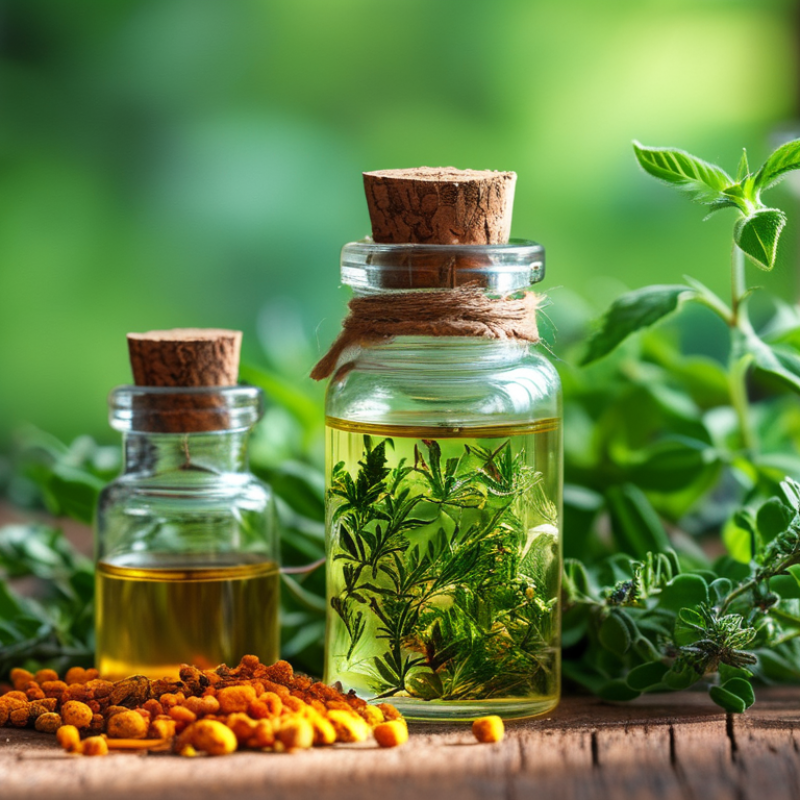
Herbal extracts are becoming increasingly popular for their therapeutic benefits. Understanding the types of herbal extracts is essential when seeking quality products. Common forms include tinctures, powders, and oils. Each form has unique properties and benefits. Tinctures offer quick absorption, while powders are versatile for various uses. Oils can provide deep nourishment to the body.
Evaluating extracts requires knowledge about the source plants. Consider the growing conditions and harvesting methods. Wild-crafted herbs usually possess more potent properties than cultivated ones. Pay attention to extraction methods, as traditional methods such as cold pressing or alcohol extraction can yield higher-quality results. Not all extracts are created equal, and some lower-quality options may not deliver expected benefits.
It’s important to note that not all herbal extracts will work for every individual. Personal body chemistry plays a significant role in effectiveness. Research suggests that quality control varies significantly among manufacturers. Often, there are discrepancies in labeling, leading to confusion. One must be vigilant and critical when selecting extracts. Look for transparency in sourcing and testing results. This attention to detail can lead to more informed decisions regarding herbal supplementation.
The origin of herbal extracts plays a crucial role in their quality. Sourcing is often overlooked in discussions about efficacy. Studies indicate that 70% of herbal products may not contain the ingredients listed on their labels. Ensuring the quality of sources is vital for authentic herbal extracts.
When evaluating sourcing, consider environmental factors. Herbs grown in their native habitats tend to be more potent. This potency may be linked to ideal soil conditions and climate. A study from the National Center for Complementary and Integrative Health highlights that local sourcing can improve phytochemical profiles, leading to enhanced therapeutic properties. The extraction methods also influence the final quality, affecting bioavailability.
Transparency is key when evaluating suppliers. Research shows that third-party testing can increase confidence. An analysis by the American Herbal Products Association indicates that only 45% of herbal products undergo rigorous testing. Without this, the risk of contamination and adulteration rises significantly. Engaging with trusted suppliers who prioritize ethical harvesting is essential for ensuring the integrity of herbal extracts.
Extraction methods play a crucial role in determining the quality of herbal extracts. Different techniques can yield varying concentrations of active compounds, influencing both effectiveness and safety. For example, steam distillation is common for essential oils, while solvent extraction can capture a broader range of phytochemicals. It's vital to recognize that not all methods are equally reliable. Poor extraction practices can lead to residual solvents or lower potency.
When evaluating herbal extracts, consider the method used. Look for information on how plants are processed. Cold pressing is often preferred for certain oils, preserving delicate compounds. For tinctures, ethanol or glycerin extraction may provide better bioavailability. These details can significantly impact the final product's quality and efficacy.
Knowing where the herbs are sourced adds another layer to quality assessment. Local sourcing might indicate freshness. On the other hand, geographical reputation can hint at reliability. Quality checks and certification from independent laboratories should also be prioritized. Transparency ensures a product’s integrity. As consumers, understanding these factors is key to choosing high-quality herbal extracts.
Analyzing concentration levels is crucial when evaluating the potency of herbal extracts. Active ingredients determine the strength and effectiveness of these extracts. Research shows that certain herbal remedies can vary significantly in potency, sometimes by as much as 300%. This variability often stems from factors such as growing conditions and extraction methods.
To ensure quality, look for certificates of analysis. These documents verify the concentration of active ingredients and provide insight into purity. Reputable suppliers should provide this information readily. A study from the Herbal Medicine Research Center indicated that only 30% of herbal products tested met their label claims for active compounds.
When choosing an herbal extract, examine the extraction method used. Alcohol extracts may yield higher concentrations compared to water-based methods. This factor can significantly impact the final product’s potency. However, not all methods are created equal. Some processes may degrade sensitive compounds, resulting in lower efficacy.
Watch for misleading marketing claims. Industry reports suggest that up to 40% of herbal extracts do not contain the labeled amounts. Look for third-party testing to ensure reliability. Consumers should be vigilant and prioritize transparency when selecting products.
When seeking high-quality herbal extracts, certifications and testing play a vital role. Third-party certifications guarantee that a product meets rigorous safety and purity standards. Look for seals from recognized organizations. These seals provide assurance that the extract has been tested for contaminants and potency. Relying on certified products helps ensure you are consuming safe and effective herbal remedies.
Laboratory testing is another critical aspect. High-quality extracts undergo various analyses to verify their composition. HPLC (High-Performance Liquid Chromatography) tests identify the active compounds in herbal extracts. This method allows you to confirm the extract's quality. Some companies may not disclose testing results, which is a red flag. Transparency is essential when evaluating herbal products.
Many consumers overlook the importance of researching the origins of the herbs. Factors like the growing environment and harvest practices affect extract quality. Inconsistent results can stem from poor sourcing. Understanding these details requires diligence. It’s a journey for consumers. The more informed you are, the better choices you can make.
: Common forms include tinctures, powders, and oils. Each type has distinct properties and benefits.
Tinctures offer quick absorption, while powders are versatile for various uses like mixing into food or drinks.
Wild-crafted herbs usually have more potent properties than cultivated ones, due to their growing conditions.
Look for third-party certifications. These seals guarantee safety and purity, providing reassurance about the product.
Laboratory testing verifies the composition of extracts. Techniques like HPLC confirm the presence of active compounds.
Not all extracts work for everyone. Personal body chemistry plays a significant role in the effectiveness of herbal remedies.
The growing environment and harvest practices impact extract quality. Poor sourcing can lead to inconsistent results.
Be cautious of companies that don’t disclose testing results. Transparency is vital for ensuring quality.
Traditional methods like cold pressing or alcohol extraction generally yield higher-quality results.
Many consumers overlook details like inconsistent labeling and variability among manufacturers. Diligence is crucial.
In "Top 10 Ways to Identify High Quality Herbal Extracts," the article emphasizes the key factors to consider when seeking effective herbal remedies. It begins by explaining the different types of herbal extracts and their unique benefits, allowing readers to understand what suits their needs best. Evaluating the source quality is crucial; knowing where and how herbs are sourced can significantly impact their efficacy and safety.
The extraction methods employed are also vital in determining quality, as the process can affect the concentration of active ingredients. Analyzing these concentration levels helps consumers assess the potency of the herbal extracts. Finally, the article highlights the importance of certifications and testing in ensuring that products meet purity and safety standards. Overall, understanding these elements is essential for anyone interested in how to identify high quality herbal extracts.

Mirae Biology