In today's health-conscious world, understanding how to choose health food ingredients for immunity is essential. According to a recent report by the Global Wellness Institute, the immunity-boosting food market is projected to reach $50 billion by 2026. Consumers increasingly value ingredients backed by scientific studies. Dr. Emily Turner, a leading nutritionist, states, "Selecting the right ingredients requires a keen understanding of their nutritional profiles and health benefits."
Many people overlook the importance of transparency in ingredient sourcing. Brands that disclose their ingredient origins often build trust with consumers. Yet, not all health claims are substantiated. It’s crucial to discern between effective ingredients and marketing hype. For example, while antioxidants are popular, their exact impact on immunity can vary.
As you embark on your journey to bolster your immune system through food, remember that knowledge is power. Preparing meals with nutrient-dense, whole foods can make a difference. But, remain cautious: not every product labeled "health food" delivers on its promises. Relying on expert advice and clinical data will guide you.
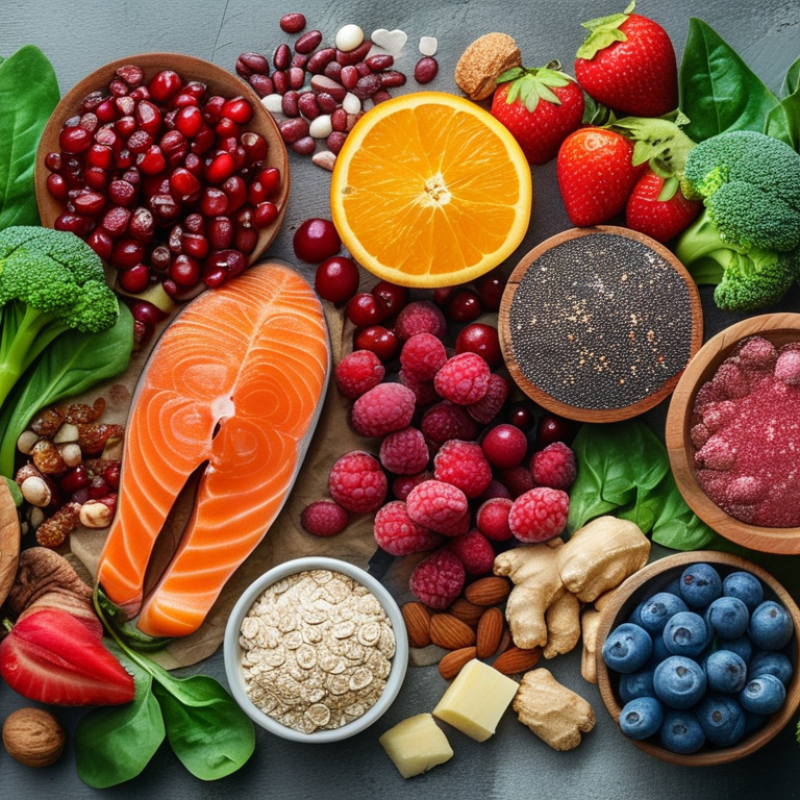
Antioxidants play a crucial role in strengthening our immune system. These compounds combat oxidative stress, which can harm our cells. They work by neutralizing free radicals, unstable molecules that can lead to inflammation and disease. Incorporating antioxidant-rich foods into your diet can provide your body with the necessary tools to fight infections effectively.
Common sources of antioxidants include fruits and vegetables, nuts, and whole grains. Berries, especially blueberries, are known for their high levels of anthocyanins, a powerful antioxidant. Spinach and kale are also excellent choices, packed with vitamins and phytonutrients. However, it’s essential to remember that not all food labeled as “healthy” is rich in antioxidants. This can lead to misguided choices that fail to boost your immunity.
Relying solely on supplements for antioxidant intake often falls short. Whole foods offer additional benefits like fiber and essential nutrients. Paying attention to a variety of food colors in your diet can help you get a broader spectrum of antioxidants. Reflect on your meal choices and consider diversifying your menu. Not every decision will be perfect, but making small adjustments can significantly impact your overall immunity.
: Leafy greens, berries, garlic, and turmeric are great choices. They contain essential vitamins and minerals.
Vitamin C enhances immune responses. Foods like spinach provide this crucial vitamin.
Berries are packed with antioxidants. They help fight oxidative stress, which can weaken immunity.
Garlic contains compounds that may improve immune cell function. Results from studies vary, so individual responses differ.
Turmeric has anti-inflammatory properties. Curcumin is its active ingredient, but absorption improves when paired with black pepper.
Water is essential for every body cell, including immune cells. Proper hydration supports their function.
Fruits and vegetables like cucumbers, oranges, and strawberries provide both hydration and essential vitamins.
Reflect on your daily water intake. Infusing water with herbs can make it more enjoyable.
Yes, dehydration can impair immune response. Staying hydrated is key to reducing infection vulnerability.
Yes, a diverse diet with different superfoods is advisable for optimal immune support.
When considering how to choose health food ingredients for immunity, it is essential to understand the vital role that antioxidants play in supporting immune function. These compounds help protect the body from oxidative stress, which can weaken immune responses. Additionally, key vitamins and minerals such as vitamin C, vitamin D, zinc, and selenium are fundamental for enhancing the body's defense mechanisms.
Moreover, incorporating superfoods known for their immune-boosting properties can provide significant benefits. Foods like garlic, ginger, and berries offer science-backed advantages that contribute to overall health. It’s also crucial to consider gut health, as a balanced microbiome supports optimal immune performance. Lastly, maintaining proper hydration is necessary, as fluids aid in transporting nutrients and facilitating immune cell function. By focusing on these aspects, you can make informed decisions on health food ingredients that will bolster your immunity effectively.

 Mirae Biology