10 Tips for Testing Plant Extract Purity at Home?

Time:2026-06-30 Author:Charlotte
0%

As the demand for natural remedies grows, understanding how to test plant extract purity at home becomes essential. The purity of these extracts can significantly impact their effectiveness and safety. Testing at home may seem daunting, but with the right methods, anyone can gain insights into the quality of their plant extracts.

Testing involves a few simple yet effective techniques. For instance, you can observe color changes, sediment formation, or even smell to assess quality. Using household items like water, alcohol, or vinegar can serve as materials for basic purity tests. However, it's important to remember that these methods are not foolproof. Relying solely on home testing might not provide complete accuracy.

While home testing can enhance your understanding, it experts caution that it should not replace professional analysis. Balancing your curiosity with a critical view on test results is crucial. Everyone might encounter discrepancies or unexpected results in their testing journey. Embrace these challenges as learning opportunities, and take informed steps in selecting quality plant extracts.
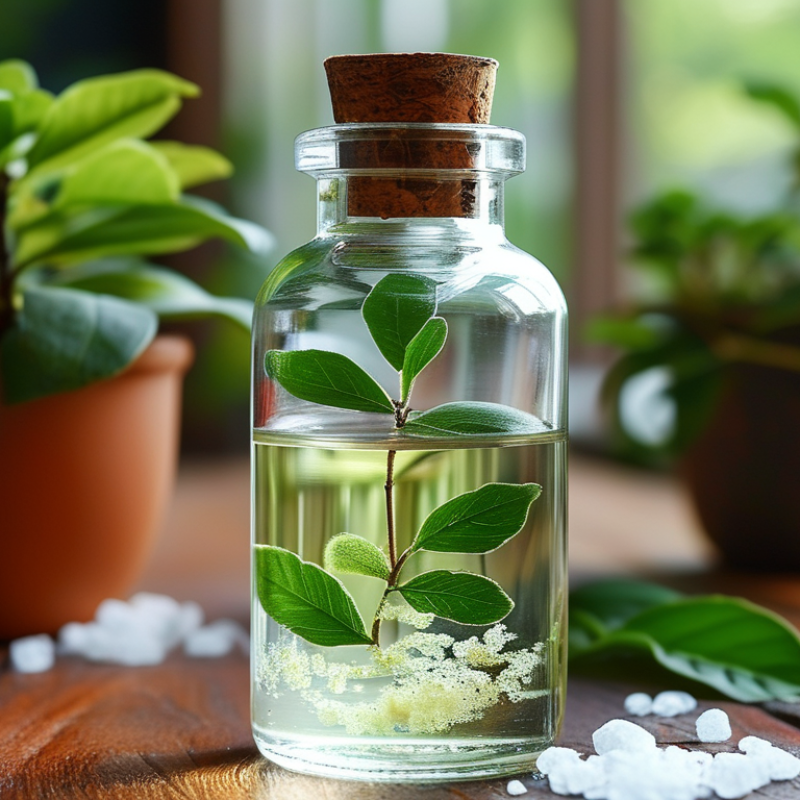
10 Tips for Testing Plant Extract Purity at Home?

Understanding the Importance of Plant Extract Purity Testing

Understanding the purity of plant extracts is crucial for various reasons. In herbal medicine, impurities can lead to ineffective treatments. A study showed that over 30% of tested herbal products were found to contain contaminants or incorrect species. This can compromise safety and efficacy, impacting consumer health.

Improperly tested extracts may be more than just ineffective; they can be harmful. A report from the World Health Organization highlighted that contaminants such as heavy metals and pesticides frequently appear in non-regulated herbal products. Consumers should be aware that the source and quality of these extracts often vary significantly. Home testing may help ensure you are using safe products.

Conducting home tests for purity can be daunting. However, certain basic methods exist. Simple techniques, like observing color changes in water, can indicate certain impurities. Yet, results may not be definitive or reliable. Relying solely on these methods poses risks, and one must consider seeking professional testing for absolute assurance.

Common Indicators of Pure vs. Impure Plant Extracts

When assessing the purity of plant extracts, several indicators can reveal their quality. A key factor is aroma. Pure extracts typically have a strong and pleasant scent, while impure ones may smell diluted or have an off-putting odor. This characteristic is often noted in industry reports, which indicate that authentic scents correlate with higher concentrations of active constituents.

Another important indicator is color. Pure plant extracts generally exhibit vibrant colors, reflecting the presence of essential phytochemicals. A study published in the "Journal of Natural Products" highlighted that visual characteristics can help differentiate genuine extracts from adulterated ones. For example, a bright green color in herbal extracts usually signifies high chlorophyll content, which is essential for potent health benefits.

The solubility of the extract in water is worth testing. Pure extracts should dissolve evenly, while impure versions may create turbidity or residues. This inconsistency often results from fillers or additives being present. Understanding these attributes helps consumers make informed decisions. Yet, many overlook these simple testing methods. Regular assessments can foster awareness about product integrity and promote better health choices.

Simple Home Techniques for Testing Plant Extract Purity

Testing the purity of plant extracts at home can be both simple and informative. One effective method is to observe the color and consistency of the extract. Pure plant extracts often have a vibrant color that reflects their origin. If the color seems dull or inconsistent, it may not be pure. Additionally, the texture should feel smooth. Gritty or clumpy textures might indicate contamination.

Another technique is the water solubility test. Place a few drops of the extract in a glass of water. Pure extracts usually dissolve evenly, while impure ones may separate or form layers. Smell is also a key indicator. Authentic plant extracts have a strong, pleasant aroma. A weak or chemical scent might raise concerns about quality. Lastly, consider using a simple pH test. Pure extracts often fall within a specific pH range, depending on the plant type. Unusual pH levels can hint at adulteration. Even these basic techniques require a careful approach and might yield varying results, reflecting the complexity of plant chemistry.

10 Tips for Testing Plant Extract Purity at Home

Tip Number Testing Method Description Required Materials
1 Water Solubility Test Check if the extract dissolves in water to assess its purity. Clear water, glass container
2 Alcohol Solubility Test Testing solubility in alcohol to evaluate extract components. Ethanol, clear glass
3 pH Test Measure the acidity or alkalinity of the extract. pH strips or meter
4 Color Test Assess the color intensity of the extract as an instant indicator. White background paper
5 Sedimentation Test Observe any sediment at the bottom after standing to check for impurities. Clear container
6 Smell Test Analyze the aroma as some impurities can alter scent. Nose
7 Paper Chromatography Separate components of the extract to check for purity. Chromatography paper, solvent
8 Thin Layer Chromatography (TLC) Analyze samples on a plate to identify active ingredients. TLC plates, solvent
9 Taste Test Observing taste changes can indicate purity, although risky. Taste buds
10 Consultation Seek expert advice on the extract's authenticity. Expert contact

Essential Tools Needed for At-Home Purity Testing

When testing plant extract purity at home, certain essential tools are necessary. A simple setup can make a difference. You'll need glass vials or containers to hold your samples. Having a microscope or a magnifying glass will also help. You may notice details that are hard to see with the naked eye. A pH test kit is crucial for checking acidity levels. This can indicate how pure an extract is.

A scale is essential for accurate measurements. Precision in dosage can greatly affect results. Water distillation equipment can help in purifying samples. You might also consider chromatography paper for testing compound separation. These tools can provide valuable insights. However, remember, results may not always reflect true purity. Experimenting at home can lead to mistakes. It's key to remain observant and critical of your findings. Seek guidance from reliable sources when confused. Understanding the limitations of home testing is part of the process.

Interpreting Test Results: What They Mean for Your Extract

When testing plant extract purity at home, understanding your results is crucial. Each test may reveal different components, but the meaning behind those results can be complex. For instance, a high level of a specific compound may indicate better quality, while unexpected substances might raise concerns. Knowing what to look for helps you interpret your findings accurately.

Consider using simple tests like water solubility or basic pH measurements. A pure extract usually dissolves well in water. If not, impurities might be present. Additionally, color changes in your tests can be significant. They may suggest the presence of contaminants or the degradation of active ingredients. Keep a log of all observations; patterns may point to issues that require reflection and additional testing.

It's important to remain critical when analyzing results. A single test might not give the entire picture. Variability can exist depending on the source and extraction method. You might need to conduct multiple tests to arrive at reliable conclusions. Remember, experimentation is part of the learning process. Acknowledging the limitations of your home testing can lead to more informed decisions regarding the purity of your plant extracts.

FAQS

: How can I assess the purity of plant extracts?

: Check the aroma, color, and solubility. Pure extracts have a strong scent, vibrant color, and dissolve evenly in water.

What does the color of a plant extract indicate?

A vibrant color reflects essential phytochemicals. Dull colors may suggest contamination or lower quality.

How do I perform a simple solubility test at home?

Add a few drops of the extract to water. Pure extracts should mix evenly, while impure ones may separate.

What does a weak aroma signify in plant extracts?

A weak or chemical scent can indicate low quality or possible adulteration in the extract.

Why is proper pH important for plant extracts?

Pure extracts usually have a specific pH range. Unusual pH levels might suggest impurities or adulteration.

Can I rely on a single test for purity assessment?

No, multiple tests are often needed for reliable conclusions. Different tests show different aspects of purity.

What should I observe about texture in extracts?

Pure extracts feel smooth. Gritty or clumpy textures may signal contamination.

Why is it important to keep a log of test observations?

Logging helps identify patterns that indicate issues needing further reflection or testing of the extracts.

Are home testing techniques fully reliable?

No, results can vary and may not give a complete picture. Reflecting on limitations is crucial for informed decisions.

What common mistakes do people make in testing plant extracts?

Many overlook simple tests or misinterpret results, leading to confusion about the quality of their extracts.

Conclusion

Testing the purity of plant extracts at home is crucial for ensuring quality and efficacy. Understanding the importance of plant extract purity testing can help distinguish between pure and impure extracts, which can significantly impact their benefits. Common indicators of purity include color consistency, aroma strength, and solubility.

There are several simple techniques and essential tools that can facilitate this process, such as visual inspection, water solubility tests, and olfactory evaluations. Learning how to test plant extract purity at home empowers individuals to make informed choices about the products they use. By accurately interpreting test results, you can better understand the quality of your extracts and enhance your overall experience with natural remedies.

Charlotte

Charlotte

Charlotte is a seasoned marketing professional with a deep understanding of the company's portfolio and a passion for elevating its presence in the market. With a keen eye for detail and a commitment to excellence, she ensures that our professional blog is regularly updated with insightful articles......