Active ingredients can improve uneven tone, clogged pores, and visible lines, but they may also leave skin tight, red, or unusually sensitive. Learning how to reduce skin irritation from active ingredients starts with understanding your skin’s limits. A stronger formula is not automatically a better choice.
Dermatologists commonly recommend introducing one active ingredient at a time. This makes reactions easier to identify. Begin with a small amount, use it on dry skin, and avoid applying it near the eyes or broken areas. A simple moisturizer can reduce friction and support the skin barrier. Patch testing is also sensible, although it cannot predict every facial reaction.
Less is often safer.
This guide presents ten practical tips for using retinoids, exfoliating acids, vitamin C, and other potent ingredients more comfortably. It considers concentration, frequency, product combinations, cleansing habits, and daily sunscreen use. These details matter when your cheeks sting after washing or your nose begins peeling. Even careful routines can fail sometimes. Skin changes with weather, stress, medication, and hormonal shifts, so rigid advice deserves questioning.
Persistent burning, swelling, blistering, or painful rash requires professional medical advice. Stop the suspected product until a qualified healthcare professional provides guidance. Cosmetic advice cannot replace diagnosis, especially when symptoms worsen or spread. The goal is not to tolerate irritation heroically. It is to build a measured routine that delivers useful results without repeatedly damaging your skin barrier.
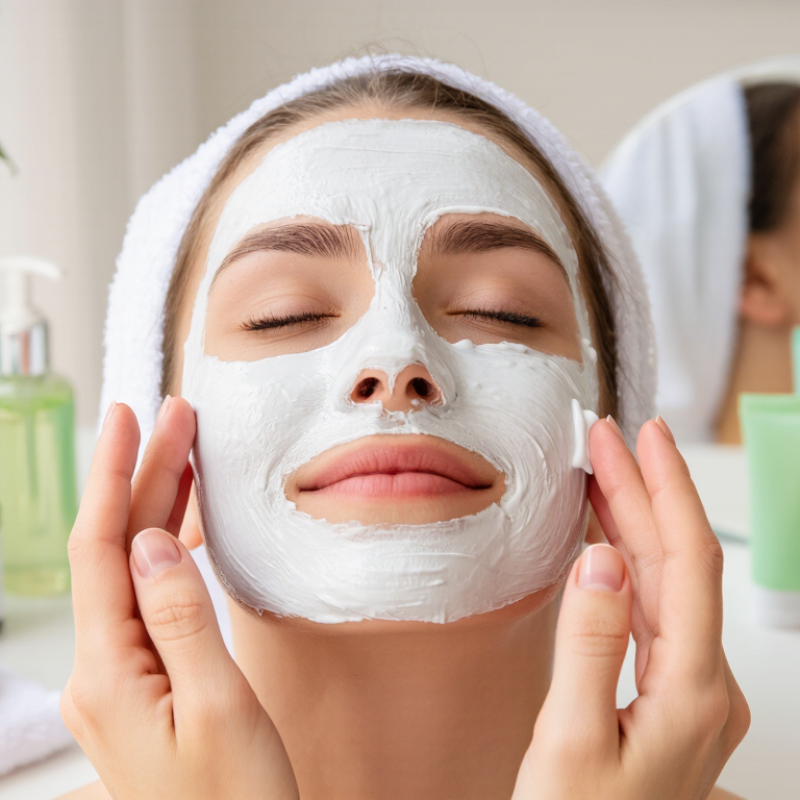
Active ingredients can help, but irritation often reflects dose, frequency, or stacking. Retinoids commonly cause dryness, tightness, peeling, and burning during adaptation. Start two nights weekly on completely dry skin. Use a pea-sized amount. Avoid combining retinoids with strong exfoliants initially. The 2024 American Academy of Dermatology acne guidelines support topical retinoids and benzoyl peroxide, but clinical suitability still depends on skin condition and tolerance.
AHAs, such as glycolic or lactic acid, may sting and weaken the barrier when overused. FDA guidance for alpha hydroxy acids recommends concentrations of 10% or less and a pH of 3.5 or higher in consumer products. It also stresses sun protection. BHAs, commonly salicylic acid, can cause dryness around the nose, mouth, and eyes. Apply them to limited areas, not automatically across the whole face. Patch testing helps, though it cannot predict every reaction.
Benzoyl peroxide may cause redness, scaling, and fabric bleaching. FDA’s acne monograph lists concentrations from 2.5% to 10%; higher strength is not automatically better. The FDA’s 2014 safety communication also describes rare, serious hypersensitivity reactions. Stop and seek medical care for facial swelling, hives, or breathing difficulty. A bland moisturizer can reduce discomfort. Sunscreen remains essential. I would not call every sting normal. Even careful routines fail sometimes, especially when several “gentle” products quietly overlap.
Irritation often depends on strength, frequency, and product combinations. Dryness, tightness, peeling, burning, and redness may appear. More products do not mean better results. I sometimes underestimate overlapping “gentle” formulas.
Apply a pea-sized amount to completely dry skin two nights weekly. Avoid strong exfoliants at first. Use a bland moisturizer when tightness develops. Increase slowly, only if your skin remains comfortable.
Glycolic and lactic acids may sting when used too often. Overuse can weaken the skin barrier. Consumer products should generally stay at 10% or less, with a pH of 3.5 or higher. Wear sunscreen daily.
Not automatically. Apply it only to oily or congested areas, such as the forehead or nose. Dryness commonly appears near the mouth, eyes, and nostrils. Stop expanding the area if discomfort increases.
No. Higher strength may cause more redness, scaling, and dryness. Common concentrations range from 2.5% to 10%. It can also bleach towels, pillowcases, and clothing. Use white fabric during testing.
Choose a small spot near your jawline or behind your ear. Wash and dry it gently, then apply a thin amount. Leave it undisturbed for 48 hours. Check the area that evening, the next morning, and again later.
Stop if burning persists, redness spreads, or swelling develops. Rinse gently if necessary and wait for the skin to settle. Hives, facial swelling, breathing difficulty, blistering, or severe pain require urgent medical care. Do not call every sting normal.
No. It can reduce avoidable surprises, but delayed reactions still happen. Photograph the test area because small changes are easy to forget. Test one new active at a time. Sensitive or damaged skin may need professional guidance.
Learning how to reduce skin irritation from active ingredients starts with understanding which ingredients are most likely to cause sensitivity. Retinoids, alpha hydroxy acids (AHAs), beta hydroxy acids (BHAs), and benzoyl peroxide can be effective but may lead to dryness, redness, stinging, or peeling when introduced too quickly. Before applying any active to the entire face, perform a patch test and monitor the area for 48 hours. For retinoids, begin with two or three nights per week, then gradually increase frequency only as your skin tolerates it.
To further support the skin barrier, choose leave-on acids at concentrations of 10% or lower and a pH of at least 3.5, consistent with conservative safety guidance. Avoid combining several strong actives at once, moisturize regularly, and reduce use if discomfort develops. Daily application of broad-spectrum SPF 30 or higher is also essential, since sun exposure can worsen irritation and weaken the barrier. Consistent, gradual use is generally more comfortable than aggressive treatment.

 Mirae Biology