Top 10 Trending Health Food Ingredients This Year?

Time:2026-09-17 Author:Oliver
0%

What are the trending health food ingredients this year? Consumers are watching ingredient labels more closely, while manufacturers are seeking practical, evidence-informed ways to improve nutrition. This article examines ten ingredients gaining attention in 2026, including plant proteins, prebiotic fibers, fermented foods, adaptogenic botanicals, and mineral-rich sea vegetables.

Trends are not proof. Popularity can rise faster than research, and a colorful package cannot guarantee meaningful health benefits. Therefore, each ingredient should be considered through several lenses: nutritional value, human evidence, safety, processing methods, sourcing, and realistic serving sizes. A protein powder may support convenience, yet it cannot replace a varied diet. A fiber-rich ingredient may help digestion, but too much can cause discomfort.

Food writer and professor Michael Pollan offers a useful standard: “Eat food. Not too much. Mostly plants.” His concise guidance remains relevant as shoppers compare emerging powders, extracts, oils, and whole-food ingredients. The strongest products usually connect innovation with familiar nutrition principles.

Some claims remain uncertain.

That matters.

The following overview separates promising ingredients from exaggerated marketing. It also recognizes an important limitation: “healthy” depends on the person, the dose, and the complete product formula. Readers with allergies, medical conditions, or medication concerns should seek professional advice before making major dietary changes. Trends can inspire better choices, but evidence should lead.
Top 10 Trending Health Food Ingredients This Year?

What Makes a Health Food Ingredient Trend This Year

What Makes a Health Food Ingredient Trend This Year

A health food ingredient trends when science, convenience, and consumer habits meet. Familiar benefits help, but proof matters more. People now inspect fiber content, protein quality, added sugar, and ingredient sourcing. They also want simple preparation and enjoyable taste. Nobody wants a chalky drink.

This year, interest is growing around soluble fiber, fermented ingredients, plant proteins, mushrooms, sea vegetables, seeds, legumes, and polyphenol-rich foods. Electrolytes and mineral blends also attract attention, especially among active consumers. Yet popularity alone does not establish health value. Nutrition professionals should examine study quality, serving size, interactions, and realistic daily use. A promising ingredient may perform poorly when hidden inside a heavily sweetened product.

Practical experience reveals another trend signal: repeat use. An ingredient becomes influential when people can understand it, afford it, and use it consistently. Clear labeling builds trust, while traceable sourcing supports credibility. Sustainability also matters, although environmental claims need measurable evidence.

Some conversations still move faster than research. That gap deserves more honesty. “Natural” does not automatically mean safer. “Clinical” does not guarantee a meaningful result.

The strongest ingredients combine reasonable evidence, transparent communication, pleasant texture, and a role in everyday meals. Trends change quickly. Good evaluation should not.

The Top Ten Trending Health Food Ingredients

The Top Ten Trending Health Food Ingredients

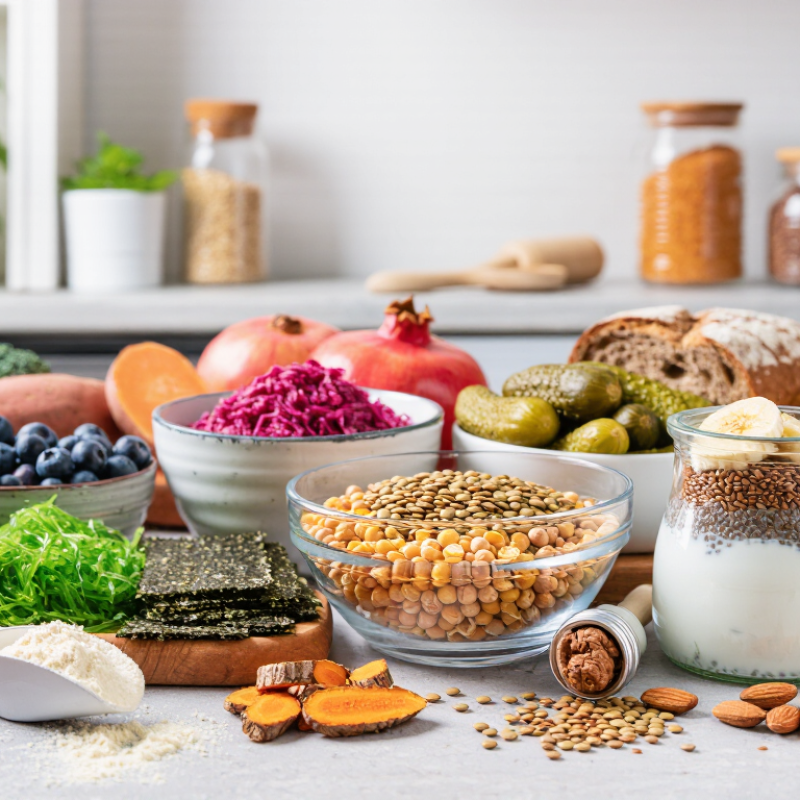
Health-conscious kitchens are turning toward ingredients with practical nutritional value. Oats remain popular because beta-glucan fiber supports heart-friendly eating patterns. Chia and ground flaxseed add fiber, plant-based omega-3 fats, and a satisfying texture. Use them in yogurt, porridge, or overnight recipes. Fermented vegetables bring tangy flavor and may support dietary variety, although their benefits depend on individual tolerance. Legumes, including lentils and chickpeas, provide affordable protein, iron, and slow-digesting carbohydrates. They also make meals feel substantial.

Turmeric and ginger continue appearing in drinks, soups, and marinades. Their active compounds are being studied, but they are not miracle treatments. Green tea powder offers plant compounds and caffeine, so sensitive users should check their intake. Seaweed contributes iodine and a savory taste, yet excessive consumption may be unsuitable for some people. Mushrooms are trending for their umami flavor and useful nutrients, while berries remain valued for colorful polyphenols. Frozen berries can be a convenient option when fresh produce is expensive.

In my experience, simple preparation matters more than dramatic claims. A spoonful of chia needs enough liquid. Too little can make breakfast unpleasant. I also question lists that call every ingredient “essential.” Nutrition depends on the whole diet, allergies, medication use, and portion size. A registered dietitian or qualified healthcare professional can help evaluate supplements and concentrated extracts, especially when evidence remains incomplete.

Key Nutrients and Wellness Benefits of Each Ingredient

Top 10 Trending Health Food Ingredients This Year?

Chia seeds provide fiber, plant-based omega-3 fats, and calcium. Their gel-like texture can thicken overnight oats. Oats supply beta-glucan, a soluble fiber linked with healthier cholesterol levels. Berries add vitamin C, colorful polyphenols, and natural sweetness. Leafy greens deliver folate, vitamin K, magnesium, and carotenoids. I often add them to soups because cooking reduces their volume dramatically.

Turmeric contains curcumin, a compound studied for its anti-inflammatory potential. Black pepper may improve curcumin absorption, although the evidence is not equally strong for every product. Ginger offers gingerols, which may support comfortable digestion and reduce occasional nausea. Fermented foods, including plain kefir and kimchi, can provide beneficial microbes. Their effects vary. Individual tolerance matters. Seaweed supplies iodine and other minerals, but excessive intake may disrupt thyroid health.

Pumpkin seeds contribute magnesium, zinc, protein, and unsaturated fats. They add a satisfying crunch to salads and grain bowls. Green tea powder contains caffeine and catechins, which may support alertness and antioxidant defenses. Spirulina provides protein, iron, and pigments such as phycocyanin, but nutrient quality depends on careful testing. Trendiness is not proof. Serving size, preparation, allergies, medication use, and overall diet still matter. Evidence for several wellness claims remains incomplete, so I would treat these ingredients as useful additions, not cures.

Top 10 Trending Health Food Ingredients This Year? - Key Nutrients and Wellness Benefits of Each Ingredient

# Ingredient Key Nutrients or Compounds Typical Serving Potential Wellness Benefits Important Considerations
1 Chia Seeds Dietary fiber, plant protein, calcium, magnesium, and alpha-linolenic acid (ALA) omega-3. About 28 g (2 tablespoons): approximately 10–11 g fiber and 4–5 g protein. Supports bowel regularity, fullness, and overall heart-healthy dietary patterns. Increase gradually and consume with adequate fluids, especially when eaten dry.
2 Turmeric Curcuminoids, manganese, iron, and plant antioxidants. About 1 teaspoon (3 g) of ground turmeric; curcuminoid content varies considerably. Curcumin has anti-inflammatory activity and may provide modest support for some joint discomfort when used in studied preparations. Food amounts are generally modest; concentrated supplements may interact with anticoagulants and some medicines.
3 Matcha Green-tea catechins, caffeine, L-theanine, and antioxidants. About 1–2 g powder; caffeine commonly ranges from approximately 20–80 mg. May improve alertness and attention; tea consumption is associated with beneficial cardiovascular dietary patterns. Caffeine can affect sleep, anxiety, heart rate, and pregnancy-related intake limits.
4 Plain Greek Yogurt High-quality protein, calcium, vitamin B12, and live cultures when listed on the label. About 170 g (¾ cup): commonly 15–20 g protein, depending on fat level and preparation. Supports muscle maintenance and bone health; live cultures may support digestion for some people. Choose plain varieties to reduce added sugar; lactose content and tolerance vary.
5 Oats and Beta-Glucan Soluble beta-glucan fiber, protein, magnesium, iron, and avenanthamides. About 40 g dry oats: approximately 4 g total fiber and 1.5–2 g beta-glucan. At around 3 g beta-glucan daily, oats can help modestly lower LDL cholesterol as part of a balanced diet. Benefits depend on the amount of beta-glucan; heavily sweetened oat products may contain substantial added sugar.
6 Psyllium Husk Viscous soluble fiber with very little digestible carbohydrate. About 5 g powder: approximately 4 g soluble fiber, depending on the product. Can support regular bowel movements and modest improvements in LDL cholesterol and post-meal blood glucose. Take with plenty of water and separate from medicines when advised; avoid use during swallowing difficulties.
7 Fermented Foods Beneficial microbes in some products, organic acids, fiber, vitamins, and plant compounds. Examples include ½ cup plain kefir or yogurt, or a small serving of kimchi or sauerkraut. May diversify the gut microbiome; fermented dairy can support lactose digestion for some individuals. Microbial content varies; many fermented vegetables are high in sodium and may not contain live cultures after pasteurization.
8 Collagen Peptides Protein rich in glycine, proline, and hydroxyproline; generally low in tryptophan. Typically 10–15 g powder mixed into a beverage or food. Some clinical studies suggest modest support for skin elasticity and joint comfort, particularly with regular use. It is not a complete protein and should not replace varied protein sources; evidence is product- and dose-dependent.
9 Beetroot Dietary nitrate, folate, potassium, and betalain pigments. A serving of beetroot or beetroot juice; nitrate content varies widely by preparation. Dietary nitrate may support nitric-oxide production, exercise efficiency, and modest blood-pressure reduction. May temporarily turn urine or stool pink; people with kidney-stone concerns should discuss high intake with a clinician.
10 Pistachios Plant protein, unsaturated fats, fiber, potassium, vitamin B6, and carotenoids. About 28 g (1 ounce): approximately mixture of protein, fiber, and heart-friendly unsaturated fat. Supports satiety and provides nutrients associated with cardiovascular health when replacing less nutritious snacks. Energy-dense; choose unsalted or lightly salted options and avoid if allergic to tree nuts.

Nutrient values are approximate and vary by cultivar, processing method, and serving size. Wellness benefits reflect current nutrition evidence and are not intended to diagnose, treat, or prevent disease.

Safety, Allergies, and Evidence-Based Usage

Top 10 Trending Health Food Ingredients This Year?

Protein, creatine, probiotics, prebiotics, magnesium, omega-3s, collagen, turmeric, ashwagandha, and mushroom extracts are gaining attention. The Council for Responsible Nutrition’s 2024 Consumer Survey reported that 75% of U.S. adults use dietary supplements. Popularity, however, is not proof of benefit. Creatine has strong evidence for exercise performance, while probiotic effects depend heavily on the strain. Collagen research remains promising, but studies are often small.

Safety needs sharper attention. Check for milk, soy, fish, shellfish, sesame, and other major allergens before opening the container. “Natural” does not mean harmless. Turmeric may interact with blood-thinning medicines, and concentrated ashwagandha can affect thyroid or liver health. People with allergies, pregnancy, chronic disease, or prescription medicines should seek qualified medical advice. The U.S. Food and Drug Administration does not approve dietary supplements for safety and effectiveness before they reach the market.

Dose matters. So does product quality. NIH Office of Dietary Supplements fact sheets repeatedly stress reading labels and avoiding excessive intake. Choose products with clear ingredient amounts, batch testing, and realistic claims. Third-party certification can reduce contamination concerns, though it cannot guarantee results. I would not treat a long ingredient list as advanced nutrition. Sometimes, it is simply expensive uncertainty. Evidence changes, and my own first impression can be wrong.

Top 10 Trending Health Food Ingredients This Year: Safety, Allergies, and Evidence-Based Usage

Evidence strength is an editorial synthesis of human clinical research and official safety assessments, rated from 1 to 5.

Creatine monohydrate: Common studied use is 3–5 g/day. Usually well tolerated; gastrointestinal discomfort and water-weight gain may occur.
Psyllium husk: Often started at 5 g with plenty of water. May reduce absorption of some medicines and can be unsafe if taken without enough fluid.
Omega-3 EPA/DHA: Supplement doses vary. High doses may increase bleeding risk or atrial fibrillation risk; people using anticoagulants should seek medical advice.
Probiotics: Benefits are strain-specific rather than universal. People who are severely immunocompromised should consult a clinician before use.
Curcumin: Human studies commonly use approximately 500–1,000 mg/day. Possible concerns include anticoagulant interactions, gallbladder effects, and rare liver injury.
Collagen peptides: Studied intakes commonly range from 2.5–15 g/day. Products may contain fish, bovine, or porcine allergens.
Beetroot nitrate: Exercise studies commonly use about 300–600 mg nitrate 2–3 hours before activity. It may lower blood pressure and interact with antihypertensive drugs.
Ashwagandha: Trials often use 300–600 mg/day of standardized extracts. Avoid during pregnancy; possible thyroid, sedative, and liver-related concerns exist.
Green tea extract: Concentrated extracts can cause liver injury, especially when taken fasting. Beverage-level green tea is generally less concentrated.
Berberine: Studies often use 500 mg two or three times daily. It can cause gastrointestinal effects and interact with medicines; avoid during pregnancy unless medically advised.

Sources: National Institutes of Health Office of Dietary Supplements; National Center for Complementary and Integrative Health; U.S. Food and Drug Administration safety communications; peer-reviewed human clinical trials. Evidence ratings are comparative and do not replace individualized medical advice.

How to Choose and Add These Ingredients to a Balanced Diet

Top 10 Trending Health Food Ingredients This Year?

Choosing trending ingredients should begin with nutrition, not novelty. The 2024 IFIC Food & Health Survey found that 84% of Americans consider food and nutrition important to overall health. Still, a popular ingredient cannot repair an unbalanced diet. Choose oats, chia, flaxseed, lentils, chickpeas, berries, nuts, seaweed, turmeric, and fermented vegetables. Compare labels carefully. Select products with little added sugar, moderate sodium, and recognizable ingredients.

Build meals around familiar foods. Add oats and berries to breakfast, then mix chia or ground flaxseed into yogurt. Use lentils or chickpeas in soup instead of some processed meat. Sprinkle nuts over vegetables, but measure the portion; a small handful is usually enough. Add seaweed sparingly because sodium levels can vary. Turmeric works well with vegetables, while ginger can brighten beans, fish, or tea. Fermented vegetables need refrigeration and sensible portions.

Innova Market Insights’ 2025 trend reporting highlights continued consumer interest in functional and plant-forward foods. Yet “functional” does not always mean proven. Evidence remains uneven for several fashionable ingredients. That matters. Introduce one new food at a time, especially when your digestion is sensitive. Drink water as fiber intake rises. People taking medication should ask a qualified clinician before using concentrated supplements, particularly turmeric extracts. My own practical lesson is simple: the best ingredient is the one that fits your weekly meals, budget, and appetite. Fancy powders often remain untouched.

FAQS

What nutrients do chia seeds provide?

Chia seeds offer fiber, plant-based omega-3 fats, and calcium. Their gel-like texture thickens overnight oats. Start with a small portion.

How can oats and berries support a balanced breakfast?

Oats provide soluble fiber linked with healthier cholesterol levels. Berries add vitamin C, polyphenols, and natural sweetness. Keep added sugar low.

Why are leafy greens useful in daily meals?

Leafy greens contain folate, vitamin K, magnesium, and carotenoids. Add them to soup. Cooking makes a large bowl shrink quickly.

What should people know about turmeric and ginger?

Turmeric contains curcumin, studied for anti-inflammatory potential. Ginger may support comfortable digestion and occasional nausea. Evidence is not equally strong.

Are fermented foods suitable for everyone?

Plain kefir and fermented vegetables can provide beneficial microbes. Individual tolerance varies. Refrigerate fermented vegetables and use sensible portions.

Why should seaweed be eaten sparingly?

Seaweed provides iodine and other minerals. Excessive intake may affect thyroid health. Sodium levels also vary between products. Check the label.

What benefits and cautions apply to pumpkin seeds and green tea powder?

Pumpkin seeds provide magnesium, zinc, protein, and unsaturated fats. Green tea powder contains caffeine and catechins. A small sprinkle may be enough.

How should someone choose trending health ingredients?

Choose recognizable ingredients with little added sugar and moderate sodium. Build meals around oats, lentils, vegetables, fruit, and nuts. Trendiness is not proof.

How can people introduce unfamiliar foods safely?

Add one new food at a time, especially with sensitive digestion. Drink more water as fiber rises. Medication users should ask a qualified clinician before concentrated supplements.

What is the most practical way to use these ingredients?

Choose foods that fit your weekly meals, budget, and appetite. Fancy powders can remain untouched. I may still overvalue trends sometimes.

Conclusion

What are the trending health food ingredients this year? Interest is growing in ingredients that provide practical nutritional value, support overall wellness, and fit easily into balanced eating patterns. The top ten include chia seeds, turmeric, ginger, fermented vegetables, seaweed, oats, berries, legumes, leafy greens, and mushrooms. These foods offer nutrients such as fiber, plant protein, antioxidants, vitamins, minerals, and beneficial compounds that may support digestion, heart health, immune function, and steady energy. Their popularity is driven by versatility, sustainability, and increasing consumer interest in minimally processed foods.

However, “trending” does not always mean scientifically proven or suitable for everyone. Potential allergies, medication interactions, digestive sensitivity, pregnancy considerations, and contamination risks should be reviewed before using concentrated powders or supplements. The safest approach is to choose minimally processed ingredients, introduce them gradually, follow reasonable portions, and use them as part of a varied diet rather than as miracle solutions. Reading ingredient labels and consulting a qualified healthcare professional can help ensure safe, evidence-based choices.

Oliver

Oliver

Oliver is a seasoned marketing professional with a wealth of expertise in driving brand awareness and engagement. With a deep understanding of our company's product offerings, he consistently delivers high-quality content that enriches our professional blog. His insights not only shed light on......