Understanding the difference between food grade and cosmetic grade chemicals is crucial for both consumers and manufacturers. These two categories serve distinct purposes and adhere to different safety standards. Food grade chemicals are substances approved for consumption. They are used in food products and must pass strict regulations. On the other hand, cosmetic grade chemicals are intended for external use only. They enhance beauty products but may not be safe for ingestion.
What is the difference between food grade and cosmetic grade chemicals? The key lies in their sourcing and testing processes. Food grade chemicals undergo rigorous testing for safety and purity. They must meet specific guidelines set by health authorities. Cosmetic grade chemicals, while also regulated, focus on skin safety rather than ingestion. This difference impacts formulations and potential risks associated with misuse.
Consumers often overlook these distinctions. Misunderstanding can lead to improper use of products. Awareness is essential for safety. For example, using food grade chemicals in cosmetics or vice-versa can present risks. Quality assurance is critical in both sectors. People should remain informed, recognizing that not all chemicals are interchangeable.
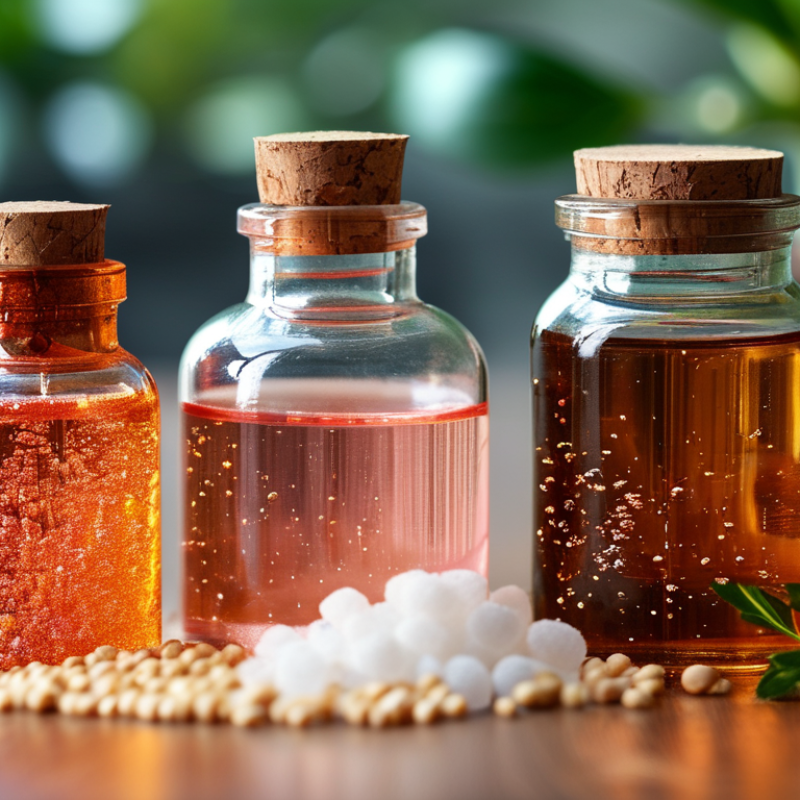
Definition of Food Grade Chemicals and Their Uses
Food grade chemicals are substances approved for human consumption. They are used in food production, preservation, and flavoring. These chemicals must adhere to strict safety standards. This ensures they do not pose risks to health. Common examples include citric acid and sodium bicarbonate. Both are widely used in food processing.
When using food grade chemicals, proper handling is essential. Ensure you understand the recommended usage levels. Overuse can lead to unexpected reactions. Check for certifications on products to avoid confusion. Remember, just because a chemical is food grade does not mean it is safe in large quantities.
Tip: Always read labels carefully. This practice enhances safety and compliance. It’s crucial for both manufacturers and consumers to educate themselves. Testing small batches when trying new chemicals is wise. This helps identify any potential issues before larger production runs. Being proactive ensures a safer experience in food preparation.
Definition of Cosmetic Grade Chemicals and Their Applications
Cosmetic grade chemicals are substances specifically formulated for use in personal care and beauty products. These chemicals are rigorously tested for safety, skin compatibility, and effectiveness. According to a report by the Personal Care Products Council (PCPC), the cosmetic industry generates over $500 billion annually, underscoring the importance of quality and safety in ingredient selection.
Applications of cosmetic grade chemicals are diverse, ranging from moisturizers to makeup. Ingredients like hyaluronic acid and glycerin are prevalent due to their hydrating and skin-replenishing properties. These compounds undergo strict regulations to ensure they meet health and safety standards. In fact, the FDA maintains that cosmetic products must be safe for use but does not require pre-market approval.
Tip: Always check the ingredients list on cosmetic products. Understanding the purpose of each ingredient can help consumers make informed choices.
Some cosmetic grade chemicals may cause irritation for sensitive skin types. It’s vital to perform patch tests before fully integrating a new product into your routine. Commonly used preservatives, like
parabens, have raised concerns among consumers. While many studies indicate they are safe in small concentrations, their presence can still be a source of anxiety for some users.
Tip: Research the potential effects of different ingredients. This can reduce the risk of adverse reactions.
Regulatory Standards Governing Food Grade vs. Cosmetic Grade Chemicals
Regulatory standards provide critical differences between food grade and cosmetic grade chemicals. Food grade chemicals must comply with stringent safety regulations to ensure they are safe for consumption. Agencies, such as the FDA, oversee these standards, assessing everything from sourcing to end product safety. This rigorous testing ensures that anyone consuming food-grade products is protected from harmful substances.
In contrast, while cosmetic grade chemicals also face regulations, they are generally less stringent than those for food products. The safety of cosmetic ingredients is crucial, but the assessment process can vary significantly. Certain chemicals may be approved for cosmetic use but not for food. This discrepancy can lead to misunderstandings about their safety and suitability for consumption. Consumers must think critically about these differences when selecting products that might come into contact with their skin or food.
As regulations evolve, the gap between these two categories may narrow. Continuous reflection on safety practices is essential for both producers and consumers. Transparency in sourcing and testing can bolster trust in product safety. It is vital to stay informed and aware of the distinctions to make educated choices.
Safety Testing Requirements for Food Grade and Cosmetic Grade Chemicals
When it comes to safety testing, food grade and cosmetic grade chemicals are evaluated differently.
Food grade chemicals must adhere to strict regulations.
The FDA requires extensive testing to ensure these substances are safe for human consumption.
This includes toxicological assessments, stability tests, and numerous quality checks. Each step is crucial in preventing health risks.
In contrast, cosmetic grade chemicals undergo less rigorous testing.
While safety is still a priority, the standards are not as stringent as those for food products.
Ingredients are often tested for skin sensitivity and irritation.
However, they may not require the same level of toxicological scrutiny.
This discrepancy raises questions about what constitutes safety in different contexts.
Consumers often assume that all chemicals are similarly safe.
However, not all testing is equal.
There are loopholes in cosmetic testing that can lead to potential risks.
Transparency is essential, yet not always guaranteed.
It is imperative for consumers to understand these differences to make informed choices for themselves and their families.
Common Examples of Food Grade and Cosmetic Grade Chemicals
When exploring the landscape of chemicals, understanding the distinction between food grade and cosmetic grade is crucial. Food grade chemicals are safe for consumption and often used in food products. They undergo rigorous testing to ensure they meet safety standards. In contrast, cosmetic grade chemicals are safe for topical use but not necessarily safe to ingest. This difference is vital for manufacturers and consumers alike.
Common examples of food grade chemicals include citric acid and glycerin. Citric acid acts as a preservative in many foods. Glycerin is widely used as a sweetener and humectant in various food products. According to a report by the USDA, food grade glycerin can be derived from multiple plant sources and retains a high purity level.
On the other hand, a common cosmetic grade chemical is sodium lauryl sulfate (SLS). SLS is found in numerous personal care products, serving as a cleansing and foaming agent. While generally regarded as safe for skin, it can cause irritation in some individuals. Understanding these nuances matters. Not all consumers are aware that what is safe for skin may not be safe for ingestion. This highlights the importance of labeling and awareness in both sectors.
Top 10 Differences Between Food Grade and Cosmetic Grade Chemicals
FAQS
: Food grade chemicals are substances approved for human consumption. They are used in food production and preservation.
Understand the recommended usage levels. Overuse can lead to unexpected reactions. Always read labels carefully.
Not necessarily. Just because a chemical is food grade doesn’t mean it is safe in large quantities.
Food grade chemicals face stricter safety regulations than cosmetic grade chemicals. Safety assessment processes vary significantly.
Cosmetic grade chemicals undergo less rigorous testing. This can lead to misunderstandings about their safety for consumption.
Agencies, like the FDA, oversee strict safety regulations. They assess everything from sourcing to end product safety.
Yes, testing small batches helps identify issues before larger production runs. This proactive approach enhances safety.
Cosmetic ingredients are tested for skin sensitivity and irritation. They may not undergo the same toxicological testing.
Transparency can bolster trust in product safety. It helps consumers understand what they are using.
Be aware of the differences in regulations. Educate yourself about the chemicals you use in food and on skin.
Conclusion
In exploring "what is the difference between food grade and cosmetic grade chemicals," it is essential to first understand the definitions and intended uses of each category. Food grade chemicals are substances safe for human consumption and are strictly regulated to ensure they do not pose health risks. They are commonly used in food production, preservation, and processing. In contrast, cosmetic grade chemicals are intended for use in personal care products, such as lotions and makeup, and while they must also meet safety standards, their testing may differ significantly from food grade chemicals.
Regulatory standards play a crucial role in governing these substances, with food grade chemicals subjected to stringent regulations due to their direct contact with food. Safety testing requirements further differentiate the two, as food grade chemicals must demonstrate safety for ingestion, whereas cosmetic grade chemicals are evaluated for topical use. Understanding these distinctions is vital for consumers and manufacturers alike, ensuring that the chemicals used in their products are appropriate for their intended purpose.

 Mirae Biology