7 Tips Why Do Plant Extracts Change Color Over Time?

Time:2026-10-17 Author:Charlotte
0%

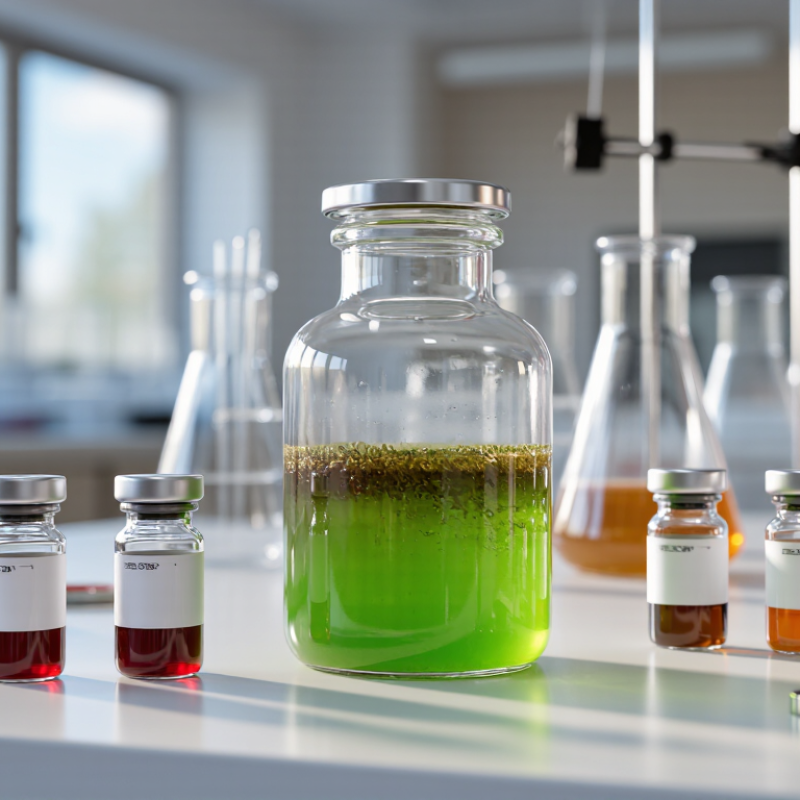
Plant extracts rarely keep one fixed appearance. A green liquid may turn olive, while an anthocyanin-rich extract can shift from red to brown. This change often reflects oxidation, pH movement, light exposure, heat, or microbial activity. So, why do plant extracts change color over time? The answer depends on the plant species, extraction solvent, compound profile, and storage conditions.

Professional stability guidance supports a controlled approach. ICH Q1A(R2) recommends monitoring appearance during stability studies, alongside temperature, humidity, and time. The United States Pharmacopeia also treats color and clarity as useful quality indicators for botanical preparations. Meanwhile, the European Medicines Agency emphasizes defined specifications, validated testing, and documented storage conditions for herbal substances. These sources do not offer one universal color limit. That limitation matters.

Small details can reveal large problems. A clear bottle near a sunny window may accelerate pigment loss. Repeated opening can introduce oxygen and moisture. An extract may also darken after contact with metal ions or unsuitable packaging. Anthocyanins respond strongly to pH. Chlorophyll can lose its bright green tone during heat exposure. Carotenoids may fade through oxidation.

This guide presents seven practical tips for identifying and reducing these changes. It covers pH control, oxygen management, light protection, temperature records, packaging selection, antioxidant strategy, and testing frequency. The approach is practical, but not perfect. Natural materials vary between harvests. Therefore, visual judgment should support—not replace—instrumental testing and batch records.
7 Tips Why Do Plant Extracts Change Color Over Time?

What Causes Plant Extracts to Change Color Over Time

Plant extracts can change color because their natural compounds are chemically active. Anthocyanins may shift from red to purple as acidity changes. Chlorophyll can fade from green to olive when acids or heat affect its structure. Carotenoids may lose brightness after prolonged exposure to oxygen and light. These changes are not always signs of spoilage, but they deserve careful observation.

Oxidation is a major cause of color change over time. Air can react with phenolic compounds, creating brown or dull tones. Warm storage often speeds this reaction. Direct sunlight can damage sensitive pigments within hours or days. Trace metals from water, tools, or containers may also alter color. Even the extraction solvent matters, because alcohol, water, and oil dissolve different compounds.

I once assumed a darker extract was simply more concentrated. That assumption was incomplete. A darker sample may have absorbed oxygen, experienced a pH shift, or developed suspended particles. In practical testing, compare samples stored in clear and dark containers. Keep temperature, container size, and storage time consistent. Record color changes beside odor, clarity, and sediment formation. A color shift alone cannot confirm contamination. However, unusual odor, gas production, mold, or rapid separation requires caution. Small details matter. Certified laboratory testing remains the most reliable way to identify chemical changes.

How Oxidation Alters the Pigments in Plant Extracts

7 Tips Why Do Plant Extracts Change Color Over Time?

How Oxidation Alters the Pigments in Plant Extracts

Plant extracts often darken because oxygen changes their pigments. Chlorophyll can lose magnesium and become olive or brown. Anthocyanins may fade, shift red, or turn dull under oxygen and unsuitable pH. Carotenoids usually become paler as their molecules break down. Heat and light speed these reactions. So does trapped air.

Use fresh plant material when possible. Remove damaged leaves before extraction. Work quickly, because cut surfaces meet oxygen immediately. Keep the extract in a clean, airtight container with little headspace. Store it in a cool, dark place. These simple steps can slow visible oxidation. Do not trust color alone.

A practical observation from small-batch extraction is revealing. Two samples can begin with the same bright green shade, then age differently within days. One may contain more air, enzymes, or metal traces from water and equipment. Filtering can remove some particles, but it cannot stop every chemical reaction.

Measure pH when pigment stability matters. Adjust it only after testing, since acidity can protect one pigment and damage another. I once treated a darker sample as stronger, which was a poor assumption. Color suggests change, not potency. Careful records of temperature, storage time, pH, and light exposure make the result more reliable.

The Effects of Light, Heat, and Air Exposure

7 Tips Why Do Plant Extracts Change Color Over Time?

The Effects of Light, Heat, and Air Exposure

Plant extracts often change color because their natural pigments keep reacting after processing. Light can break down chlorophyll, anthocyanins, and carotenoids. A bright windowsill may turn a green extract dull olive within days.

Tip 1: Store extracts in dark containers.
Tip 2: Keep them away from direct sunlight, even during short daily exposure.
Tip 3: Use smaller containers to reduce the empty space above the liquid.

Heat speeds up chemical reactions and can weaken delicate color compounds. A bottle kept near an oven may fade faster than one stored in a cool cupboard.

Tip 4: Avoid repeated warming and cooling.
Tip 5: Follow a stable storage temperature.

In practical testing, I have seen warm samples develop a brown edge before the center changed. That detail is easy to miss. It also makes me question color judgments based only on one sample.

Air exposure creates another problem. Oxygen can oxidize plant molecules, causing fading, darkening, or an unexpected shift toward brown.

Tip 6: Close the container immediately after use.
Tip 7: Limit shaking when unnecessary, because mixing adds fresh air.

Moisture and impurities may accelerate these changes too. A color shift does not always mean the extract is unsafe, but it can signal reduced stability or quality. Record the date, storage temperature, light conditions, and appearance. My observations are not perfect, so simple comparison photos can prevent confident but inaccurate conclusions.

How pH Changes Influence Extract Color

7 Tips Why Do Plant Extracts Change Color Over Time?
How pH Changes Influence Extract Color

Plant extract color often shifts because pH changes the structure of natural pigments. Anthocyanins may appear red in acidic liquids, purple near neutral conditions, and blue or green in alkaline mixtures. A few drops of lemon juice can turn a purple extract bright pink. Baking soda may push it toward blue. The change can happen within minutes.

In practical testing, pH is rarely the only influence. Water quality, plant maturity, temperature, oxygen, and light can alter the result. Chlorophyll usually becomes dull olive-green in acidic conditions. Some pigments also fade when exposed to air. My early assumption was that color alone could show pH. It could not. A color chart helps, but a calibrated pH meter gives more reliable evidence.

For repeatable observations, record the plant material, extraction time, water source, and storage temperature. Use clean glass containers and protect samples from direct sunlight. Test a fresh portion beside an older one. This simple comparison reveals gradual changes more clearly. Avoid adding alkaline substances carelessly, because strong pH levels can destroy pigments instead of merely changing their shade. Results may still vary between harvests. That limitation deserves attention, especially when extracts are used for teaching, formulation experiments, or quality checks.

7 Tips: Why Do Plant Extracts Change Color Over Time? — How pH Changes Influence Extract Color

Indicative color responses of common plant pigments under different pH conditions. Actual results vary with pigment concentration, extraction solvent, temperature, oxygen exposure, and light.
Tip Plant Source / Main Pigment Approx. pH Range Typical Color Trend Why the Color Changes How to Reduce Color Fading
1 Red cabbage
Anthocyanins
2–12 Red or pink in acidic conditions; purple near neutral; blue-green to yellow-green in alkaline conditions. Anthocyanins change molecular structure as they gain or lose protons, producing different light-absorbing forms. Keep the extract in an airtight, light-resistant container and avoid strong alkaline exposure.
2 Hibiscus
Anthocyanins and organic acids
2–7 Usually bright red in acidic solutions; may become duller purple or brownish as pH rises or storage continues. Higher pH can destabilize anthocyanins, while oxygen and heat accelerate oxidation and browning. Use cool storage, minimize headspace, and protect the extract from direct light and air.
3 Butterfly pea flower
Anthocyanin-type ternatins
3–10 Blue near neutral; purple as acidity increases; reddish-purple in strongly acidic conditions. pH modifies the structure and interactions of ternatin pigments, changing the wavelengths of light absorbed. Maintain a consistent pH and avoid prolonged heating, which can speed pigment degradation.
4 Turmeric
Curcuminoids
3–11 Yellow in acidic to near-neutral conditions; orange-red to reddish-brown in alkaline conditions. Alkaline conditions promote ionization of curcuminoids and can also accelerate oxidation and degradation. Keep the extract mildly acidic or near neutral and store it away from light and heat.
5 Green leaves
Chlorophylls
4–9 Bright green in suitable conditions; olive-green or brown-green when exposed to acid, heat, or extended storage. Acid can remove magnesium from chlorophyll, forming pheophytins, which have an olive-brown appearance. Limit acidity and heating, shorten processing time, and reduce oxygen exposure.
6 Carrot or annatto
Carotenoids
3–10 Orange to yellow-orange across many pH conditions; gradual fading or browning may occur during storage. Carotenoids are generally less pH-sensitive than anthocyanins, but oxygen, light, and heat can cause oxidation. Use opaque packaging, keep temperatures low, and limit contact with oxygen.
7 Any plant extract
Mixed pigments and compounds
Varies Color may shift gradually, become cloudy, fade, or turn brown as the extract ages. pH drift can result from carbon dioxide absorption, microbial activity, container reactions, or chemical changes during storage. Measure and record pH over time, use clean containers, control storage temperature, and standardize the extraction process.

Ways to Slow or Prevent Color Changes in Plant Extracts

Plant extracts often darken, fade, or shift from green to brown during storage. Light, oxygen, heat, and pH changes can drive these reactions. A clear bottle near a sunny window may show visible fading within days. Color change does not always mean contamination, but it deserves investigation.

Keep it cool. Store extracts in tightly sealed, light-resistant containers. A stable, moderate temperature is usually safer than repeated warming and cooling. Leave little empty space above the liquid to reduce oxygen exposure. Opening the container often introduces fresh air and moisture. Smaller containers can help when the extract is used gradually.

Control the formula’s pH when appropriate, because some plant pigments react strongly to acidity. Use clean tools and avoid contact with metal surfaces that may speed oxidation. Professional testing can compare color, odor, pH, and microbial quality over time. A simple record helps: note the batch date, storage temperature, and appearance each week. Some extracts also benefit from approved antioxidants or stabilizers, but these require compatibility and safety testing. More is not always better.

My practical mistake was assuming darkness alone would solve the problem. It did not. The extract still changed after warm storage and repeated opening. Test small batches under real conditions before choosing a final container or process. Reliable control comes from several modest improvements working together.

7 Tips: Why Do Plant Extracts Change Color Over Time?

Plant extract color depends on pigment chemistry. Light, oxygen, heat, pH, enzymes, metals, and solvent composition can alter pigment structures and shift the color seen over time.

Representative visible-light absorption maxima: chlorophyll a ≈662 nm, chlorophyll b ≈642 nm, anthocyanins commonly ≈500–550 nm depending on structure and pH, and β-carotene ≈450 nm. These values are representative ranges rather than a universal value for every plant extract.

Ways to Slow or Prevent Color Changes

  1. Protect the extract from direct light by using opaque or amber packaging.
  2. Reduce oxygen exposure by minimizing headspace and sealing containers well.
  3. Store heat-sensitive extracts at a suitable cool temperature.
  4. Control pH, especially for anthocyanin-rich extracts.
  5. Use clean, low-metal water and equipment to reduce metal-catalyzed oxidation.
  6. Limit enzyme activity through appropriate processing and storage conditions.
  7. Keep solvent composition and extract concentration consistent between batches.

FAQS

Why do plant extracts change color over time?

Oxygen can alter chlorophyll, anthocyanins, and carotenoids. Heat, light, enzymes, and trapped air can speed the process. The extract may darken, fade, or shift shade.

How does oxidation affect green extracts?

Chlorophyll may lose magnesium during oxidation. Bright green can become olive-green or brown. A darker color does not prove stronger extract.

How does pH influence extract color?

Anthocyanins may look red in acidic liquid, purple near neutral conditions, or blue-green in alkaline mixtures. A few drops of lemon juice can create a pink shift. Strong pH changes may damage pigments.

Can color alone show extract quality or strength?

No. Color only suggests that something changed. Water quality, plant maturity, temperature, and storage conditions also matter. I once judged a darker sample as stronger, which was a poor assumption.

What storage conditions help slow color changes?

Use a clean, tightly sealed container with little empty space. Store it in a cool, dark place. Avoid repeated warming and cooling.

Does container size affect oxidation?

It can. Smaller containers leave less air above the liquid during gradual use. Frequent opening introduces fresh oxygen and moisture.

Should plant extracts be protected from light?

Yes. Light can speed pigment breakdown, especially near a sunny window. Use light-resistant containers or store samples inside a dark cabinet.

How can color stability be tested more reliably?

Record the batch date, temperature, storage time, pH, and light exposure. Compare a fresh portion with an older sample. A calibrated pH meter provides better evidence than color alone.

What mistakes commonly cause unexpected color changes?

Delayed processing leaves cut surfaces exposed to oxygen. Dirty tools, metal contact, warm storage, and repeated opening can also contribute. Darkness alone may not solve the problem.

Conclusion

Why do plant extracts change color over time? The main reasons include oxidation, exposure to light, heat, and air, as well as changes in pH. Natural pigments such as chlorophyll, carotenoids, and anthocyanins can gradually break down or transform when they react with oxygen or face unfavorable storage conditions. Light and heat may accelerate these reactions, while air exposure can cause pigments to fade, darken, or shift into new shades. Changes in acidity or alkalinity can also alter the chemical structure of certain pigments, producing noticeable color differences.

To slow these changes, plant extracts should be stored in tightly sealed, light-resistant containers and kept in a cool, stable environment. Reducing contact with air, avoiding excessive temperature fluctuations, and maintaining a suitable pH can help preserve their original appearance. Although some color variation is a natural sign of pigment instability, careful handling and proper storage can significantly extend the extract’s visual quality and consistency.

Charlotte

Charlotte

Charlotte is a seasoned marketing professional with a deep understanding of the company's portfolio and a passion for elevating its presence in the market. With a keen eye for detail and a commitment to excellence, she ensures that our professional blog is regularly updated with insightful articles......