Direct supply of high-efficacy natural extracts and custom synthesized compounds


The convergence of synthetic biology, metabolic cultivation, and clean-label compliance.
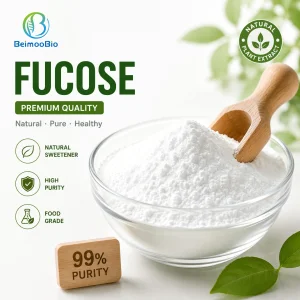
The global bio-fermentation and chemical extraction industry is transitioning from conventional extraction techniques to precision micro-fermentation and green biosynthesis. Fermentation technology utilizes engineered microbial cells—including bacteria, yeasts, and fungi—as bio-factories to construct highly complex compounds. These molecules, such as active cosmetic peptides, human milk oligosaccharides (HMOs like L-Fucose), and target sweeteners (NHDC), are generated with superior purity and consistency compared to traditional agriculture.
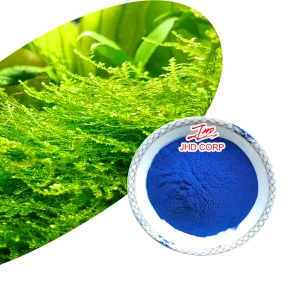
Currently valued at over $350 billion globally, the fermented ingredients market is driven by increasing demand for natural preservatives (e.g., Nisin), gut microbiome regulators (probiotic capsules and prebiotic fibers), and plant-based pigments (Phycocyanin). Procurement managers are shifting away from energy-intensive synthetic processes to bioreactor cultivation because it guarantees a carbon-neutral production cycle, minimal heavy metal contamination, and highly predictable batch yields.
Unmatched raw material clusters, scaled infrastructure, and technological integration
China has established itself as the global epicenter for industrial fermentation and plant extraction. Raw material abundance in provinces like Shaanxi provides direct, low-latency access to botanical sources. This geographical advantage, combined with local industrial infrastructure, enables Chinese manufacturers to execute continuous fermentation processes at scales that are difficult to replicate in other regions.
This localized efficiency is underpinned by three factors:
Pioneering High-Performance Botanical Extraction and Bio-Fermented Solutions
Shaanxi Mirae Biology Co., Ltd. is a professional manufacturer and global supplier specializing in the research, development, production, and distribution of high-quality plant extracts, nutritional ingredients, cosmetic raw materials, peptides, and specialty chemicals. Located in Shaanxi Province, China, a region renowned for its rich botanical resources and advanced biotechnology industry, we combine premium natural ingredients with modern extraction technology to provide innovative and reliable solutions for customers worldwide.
With a strong commitment to quality, innovation, and customer satisfaction, we serve clients across the pharmaceutical, nutraceutical, cosmetic, food, and research industries. Our experienced technical team and strict quality control system ensure that every product meets international standards for purity, safety, and consistency. Today, our products are exported to customers in North America, Europe, Southeast Asia, the Middle East, and many other international markets, earning a reputation for dependable quality and professional service.
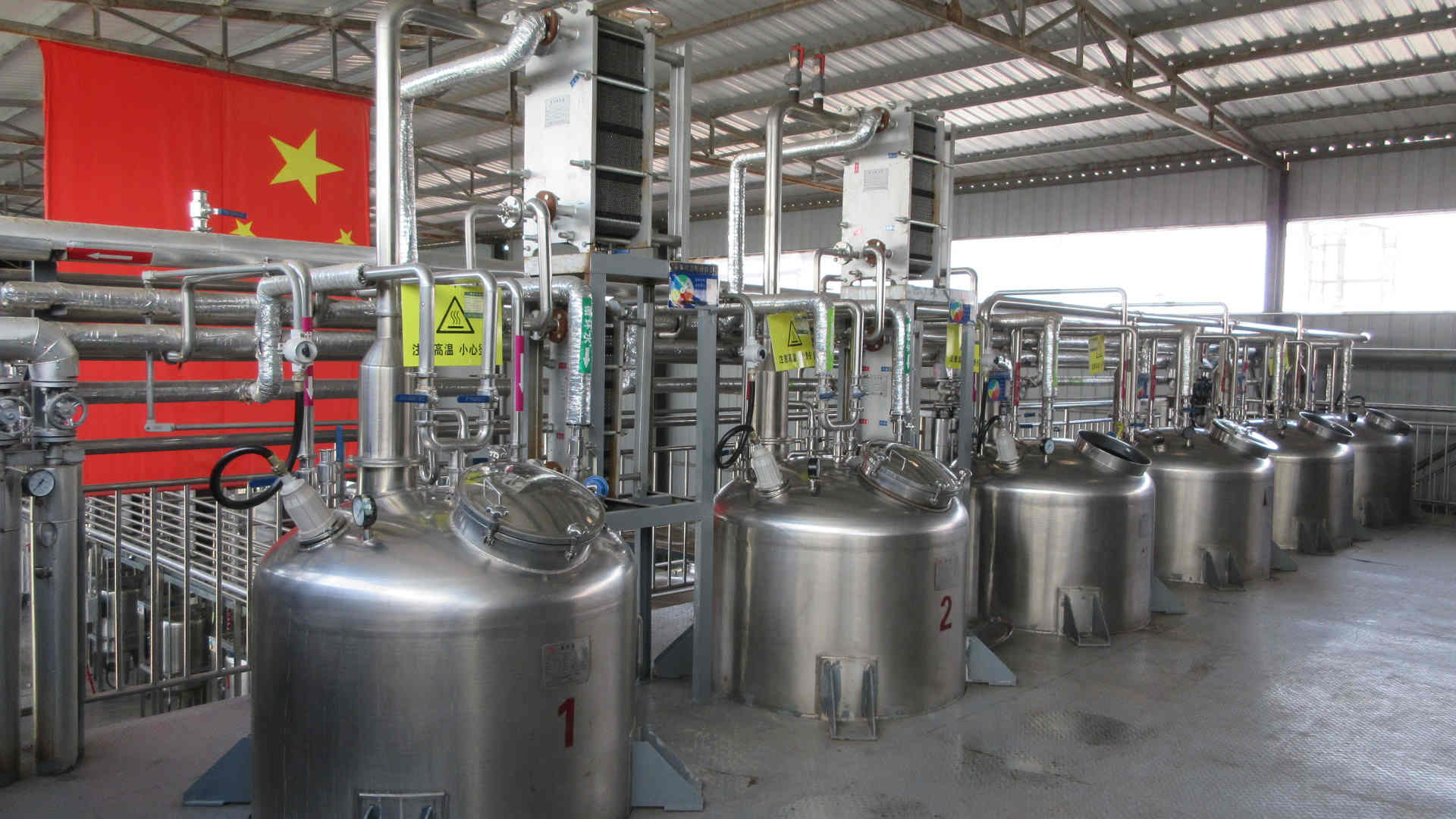
We combine advanced physical plant extraction processes with precision chemical and biological synthesis facilities to support diverse production scales.
Every single batch undergoes testing for heavy metals, residual solvents, pesticides, active concentration, and microbial load using HPLC, GC, and AAS.
We provide full-spectrum OEM and ODM customization services, including custom ingredient blends, granulation, encapsulation, and packaging formats.
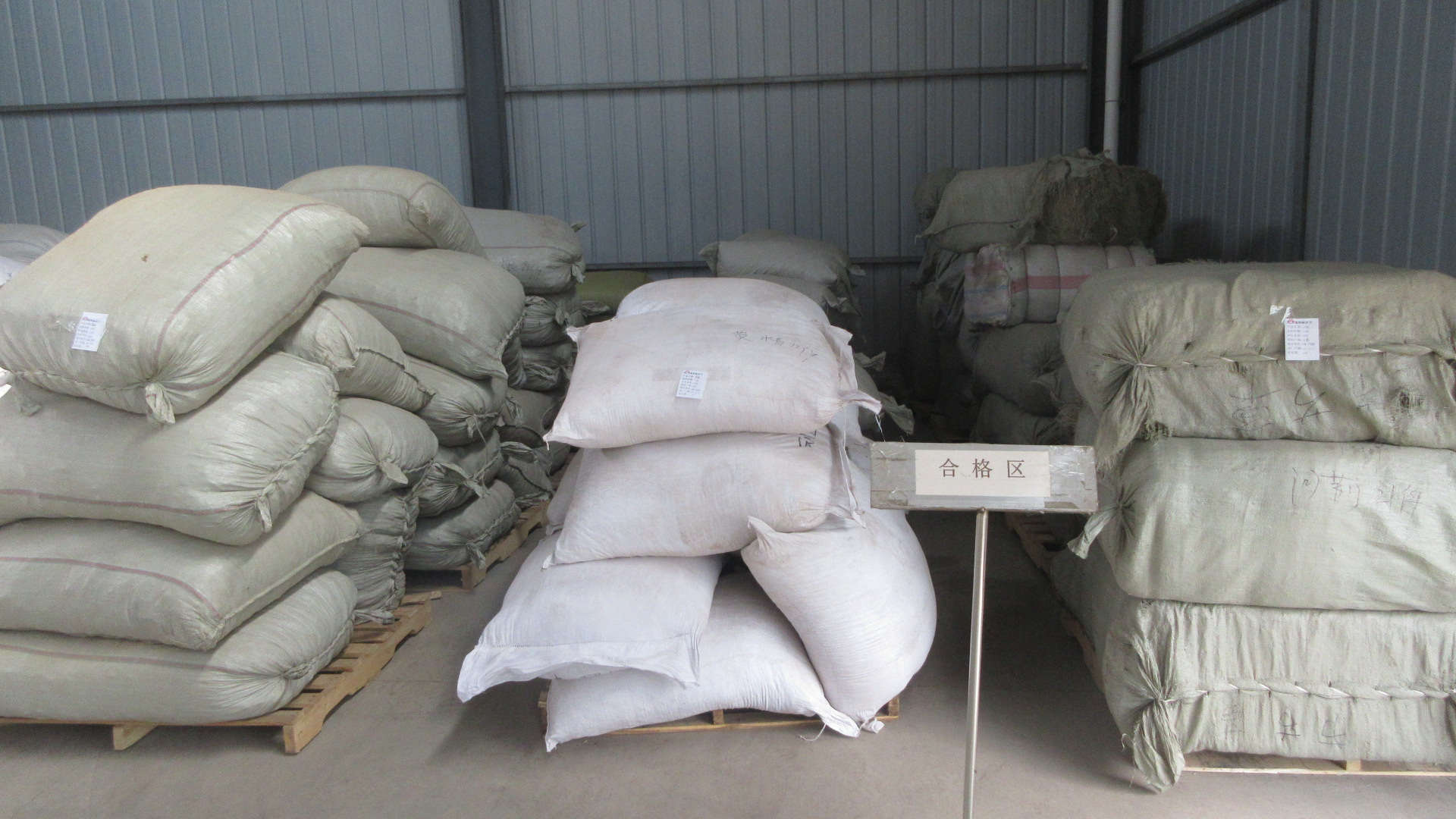
Take a virtual tour of Shaanxi Mirae Biology's modern extraction and fermentation factory
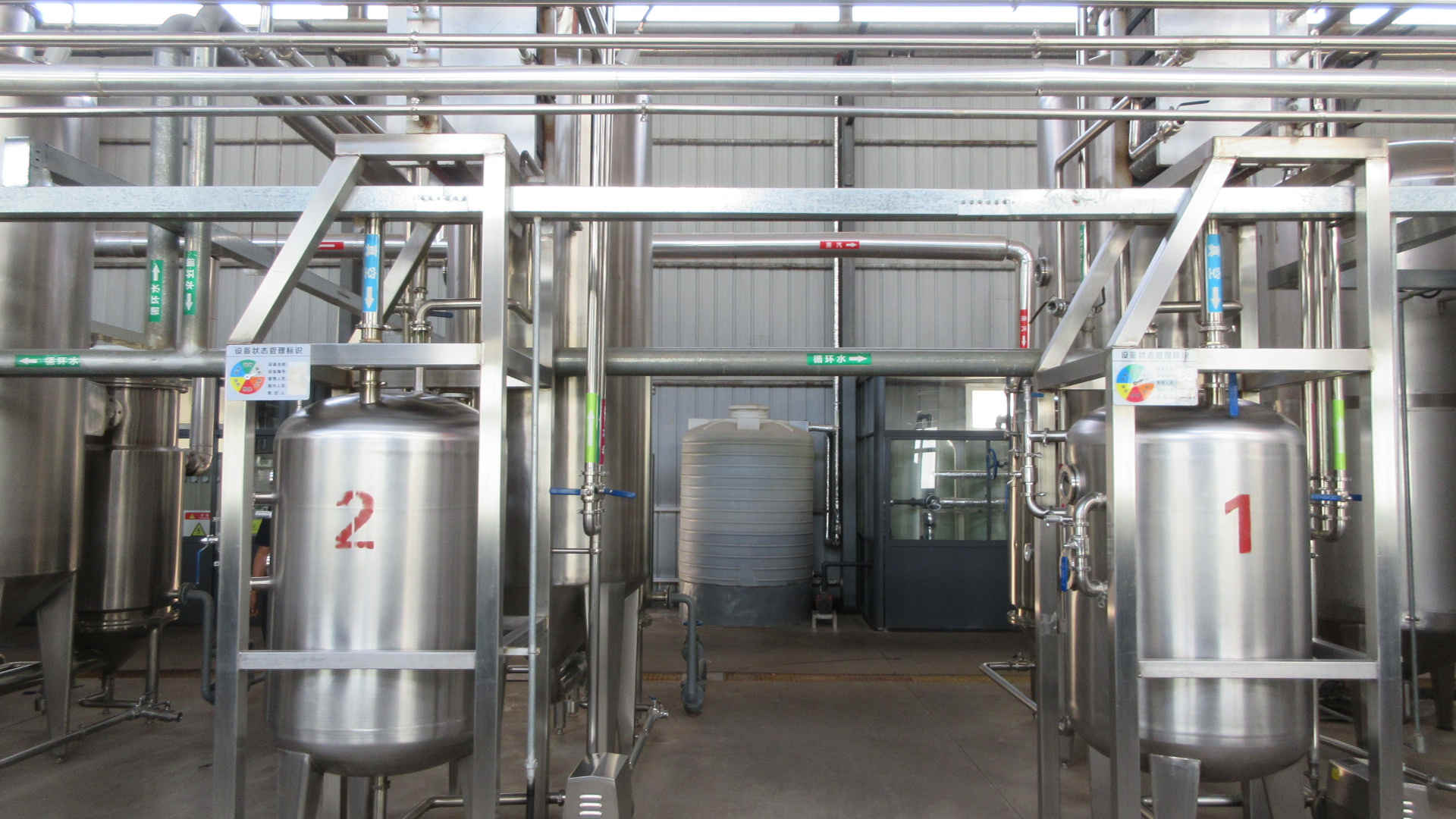
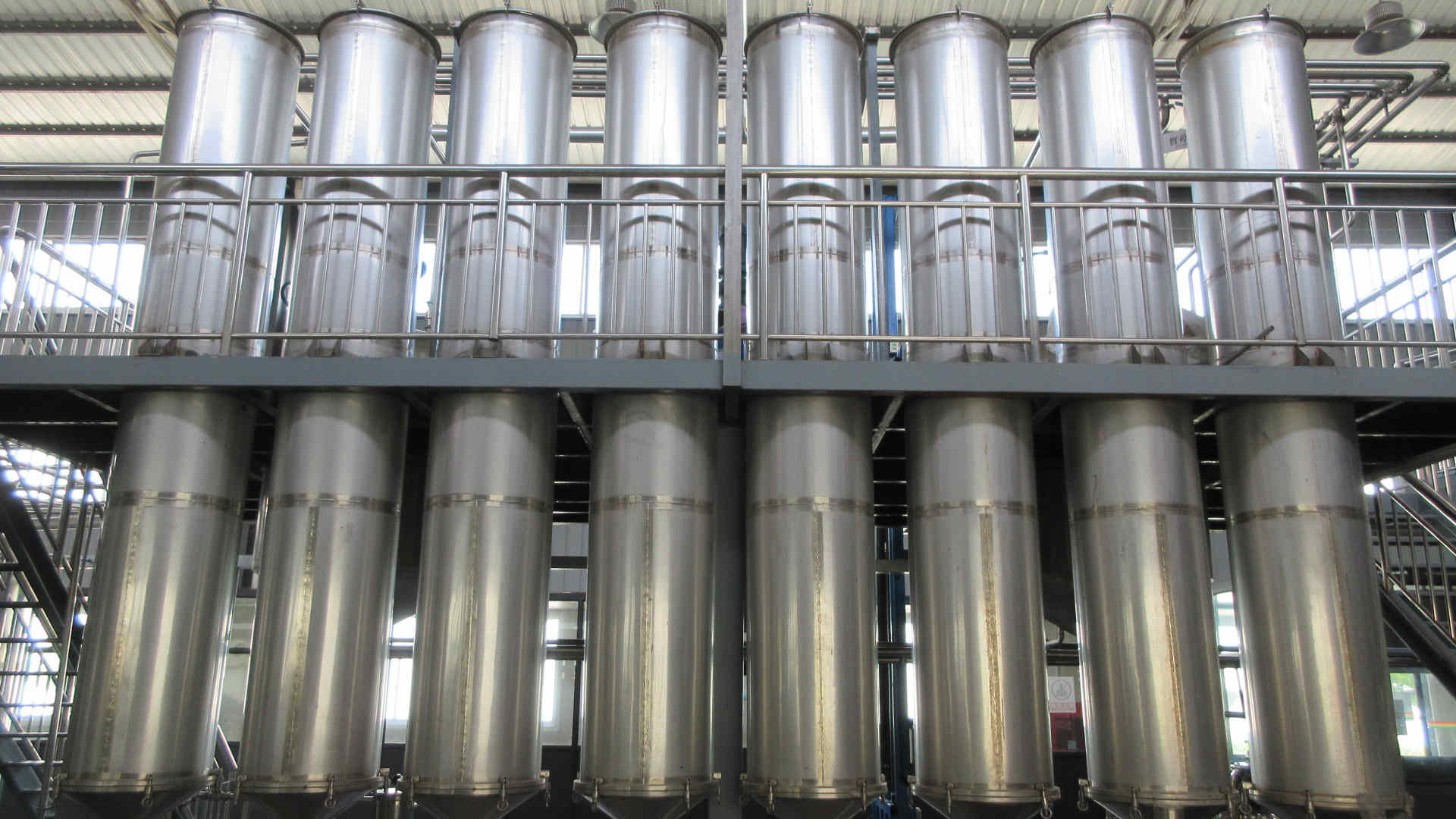
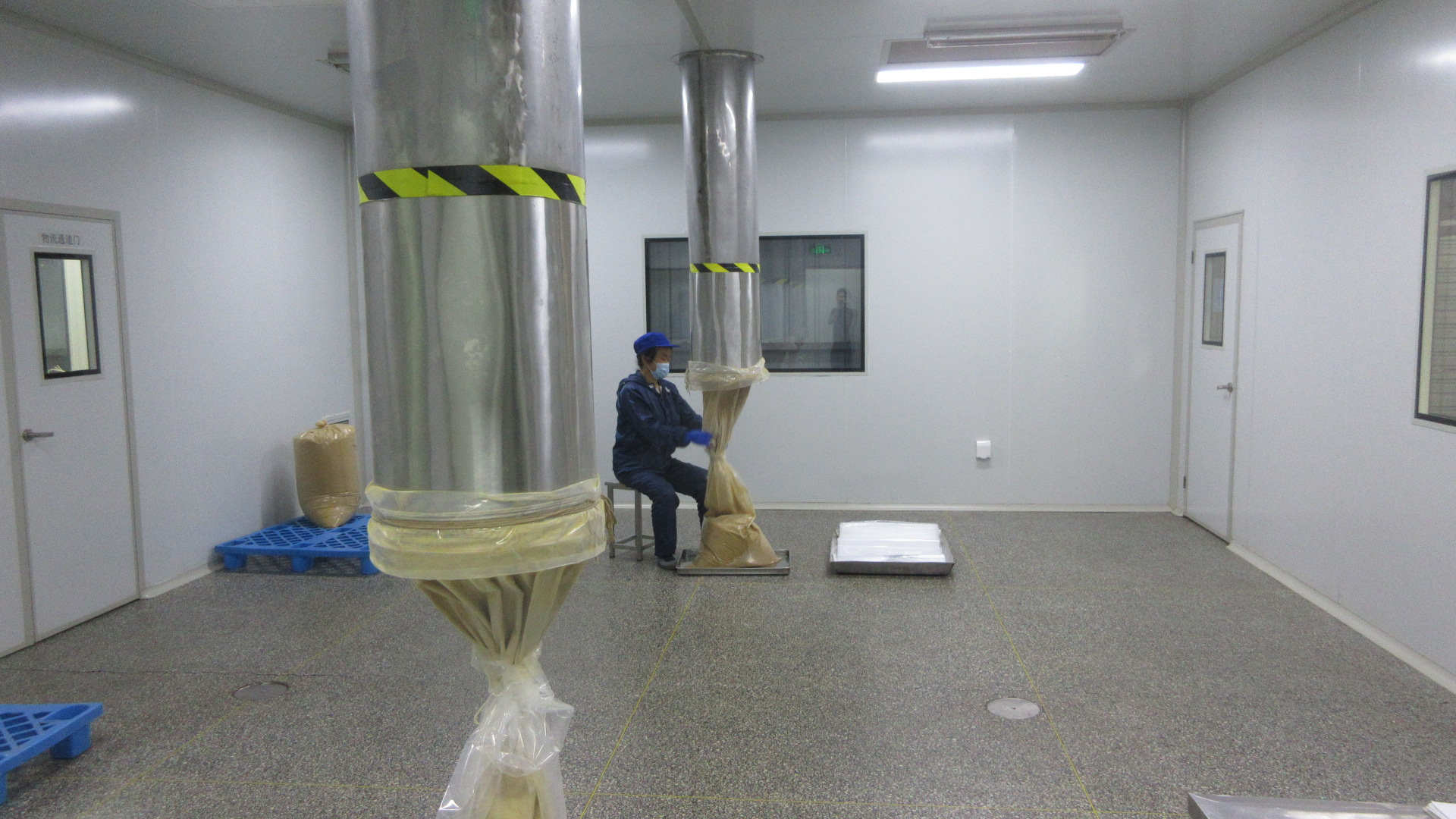
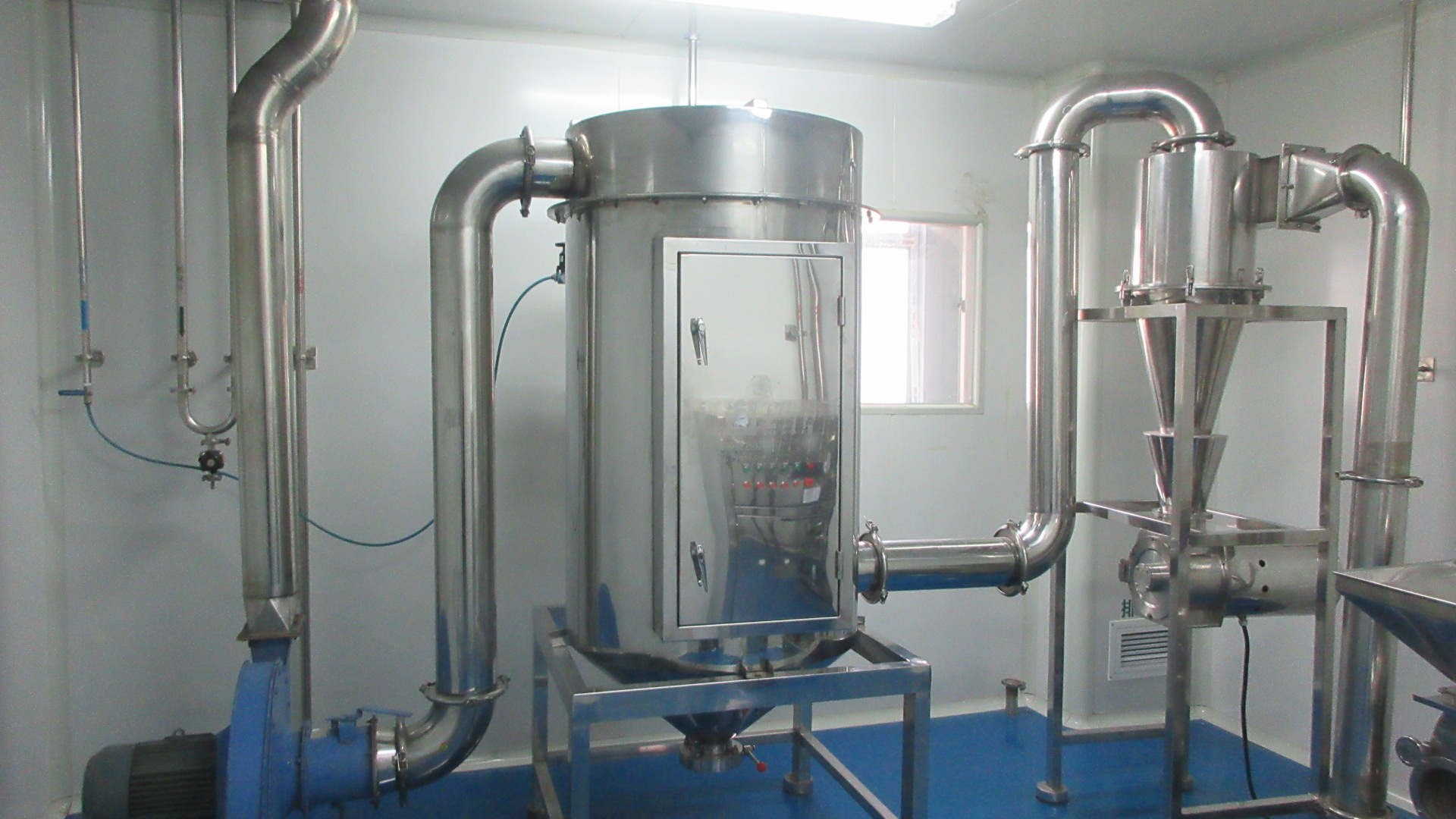
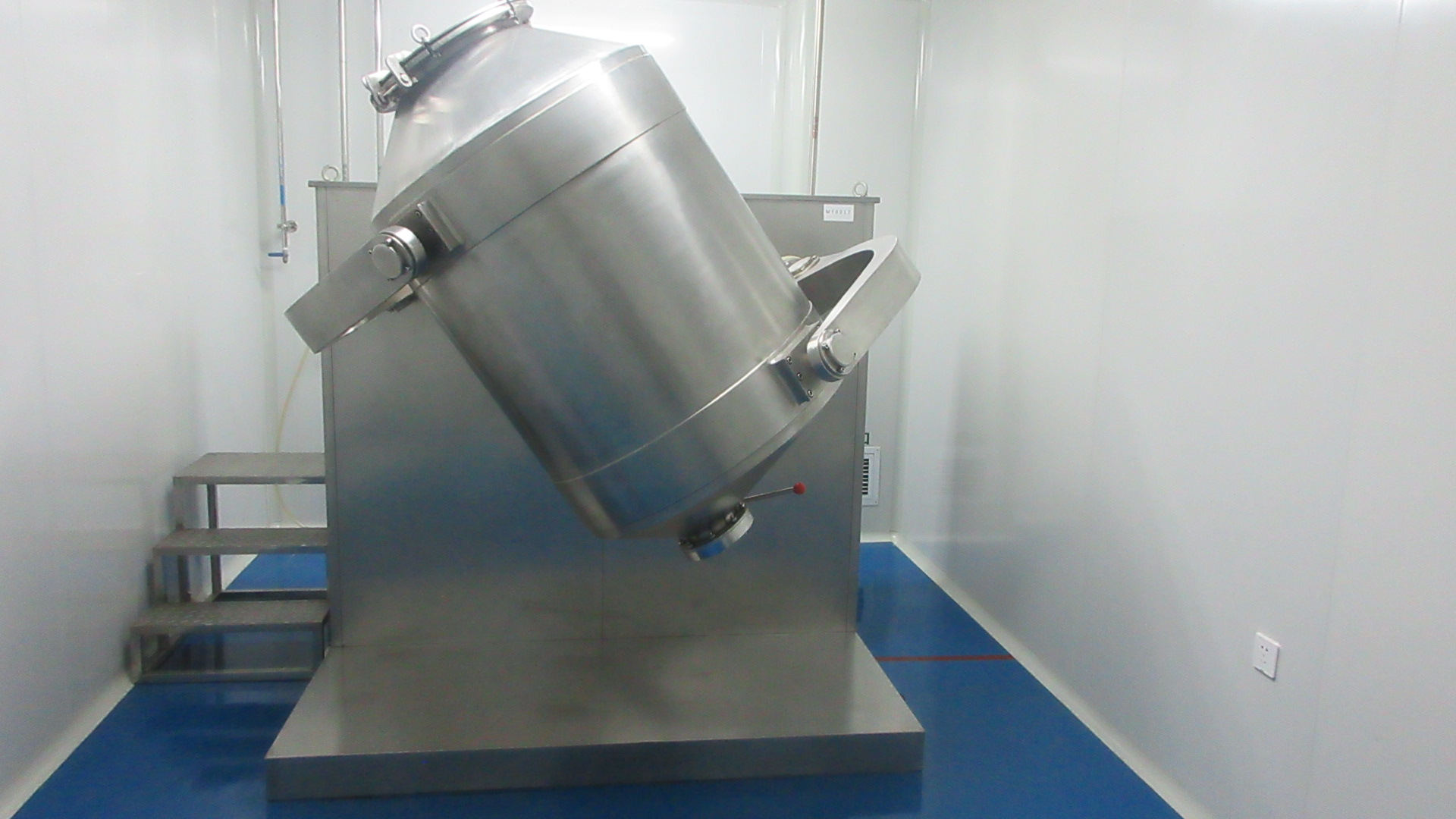

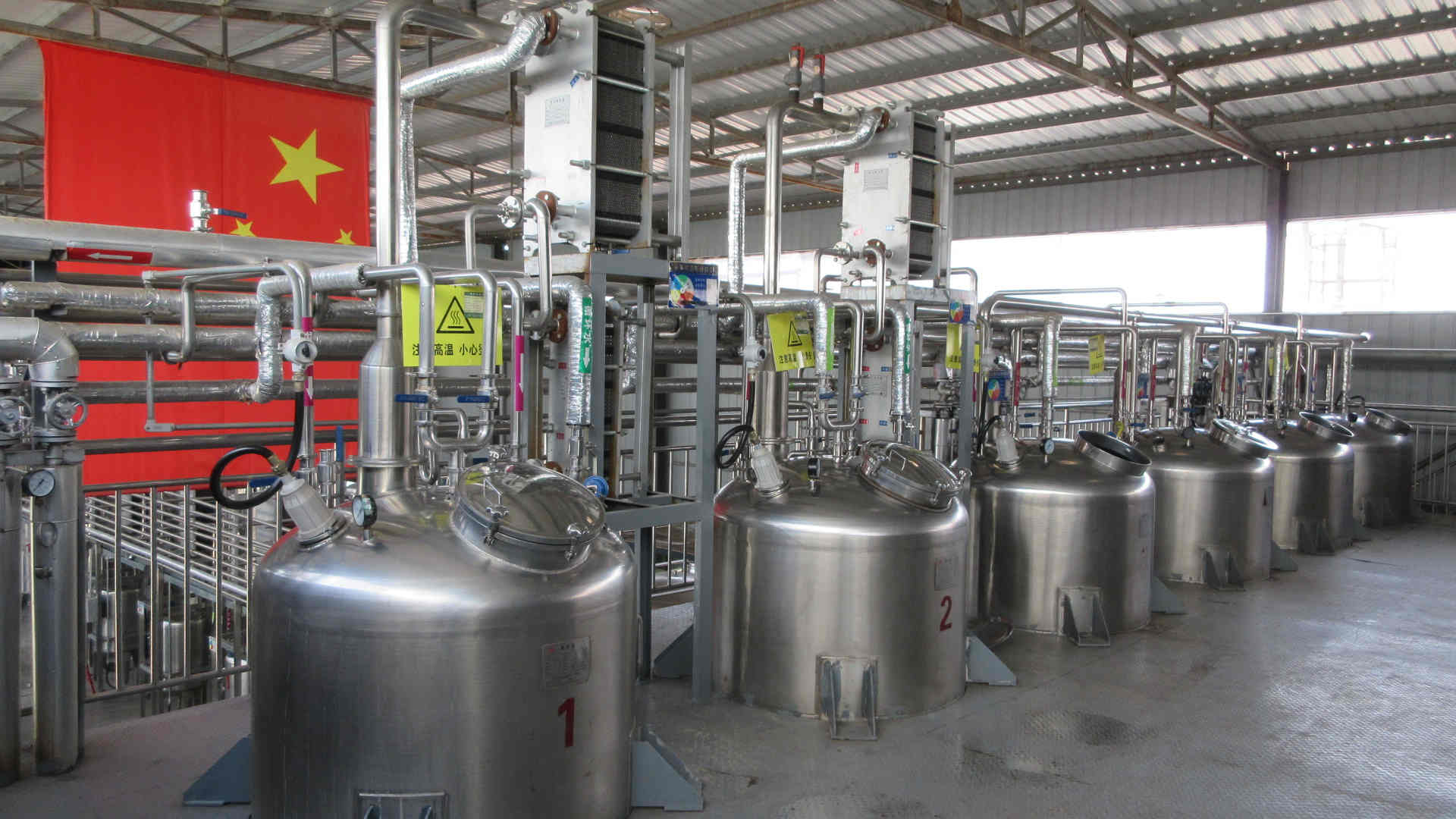
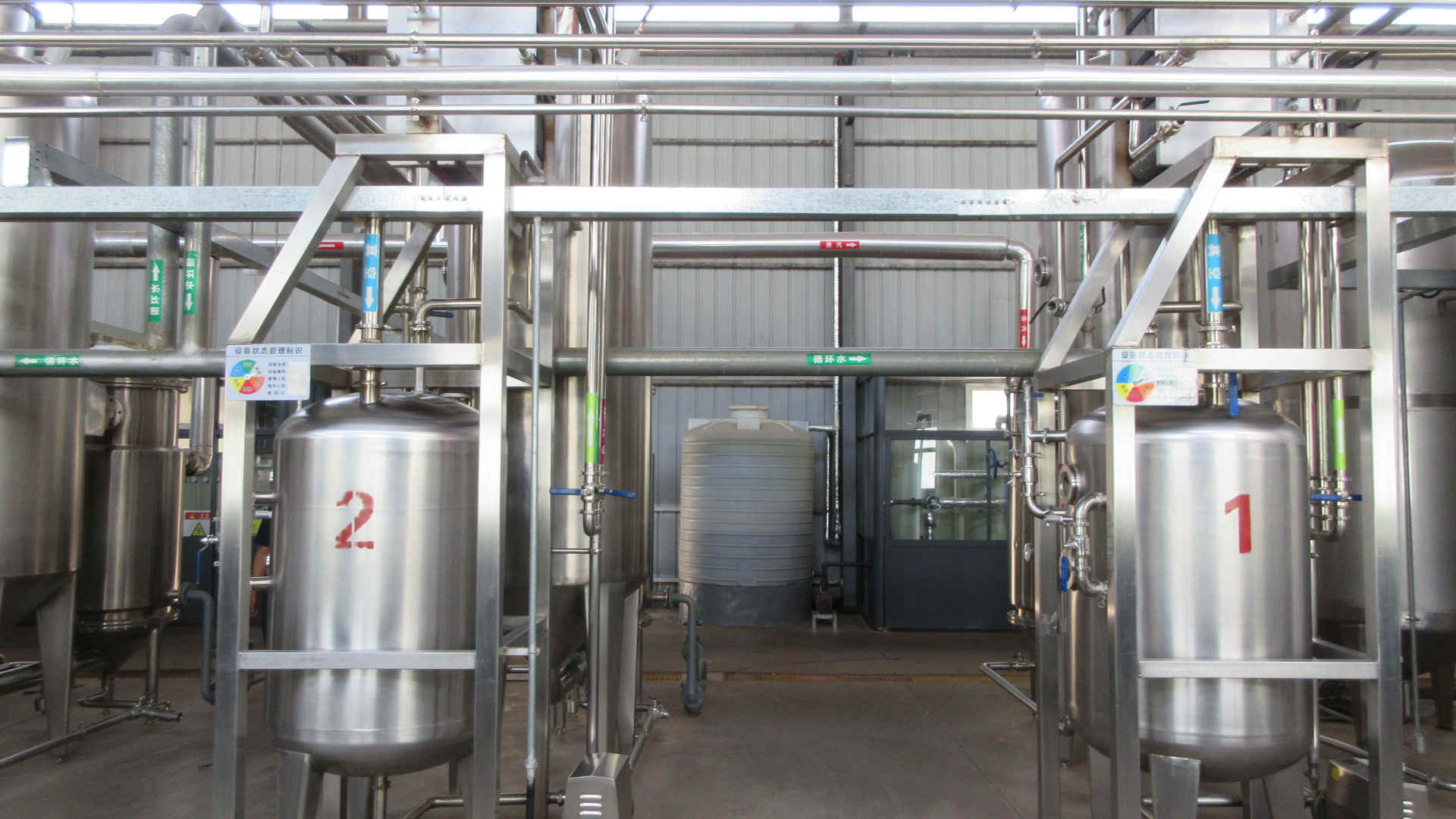
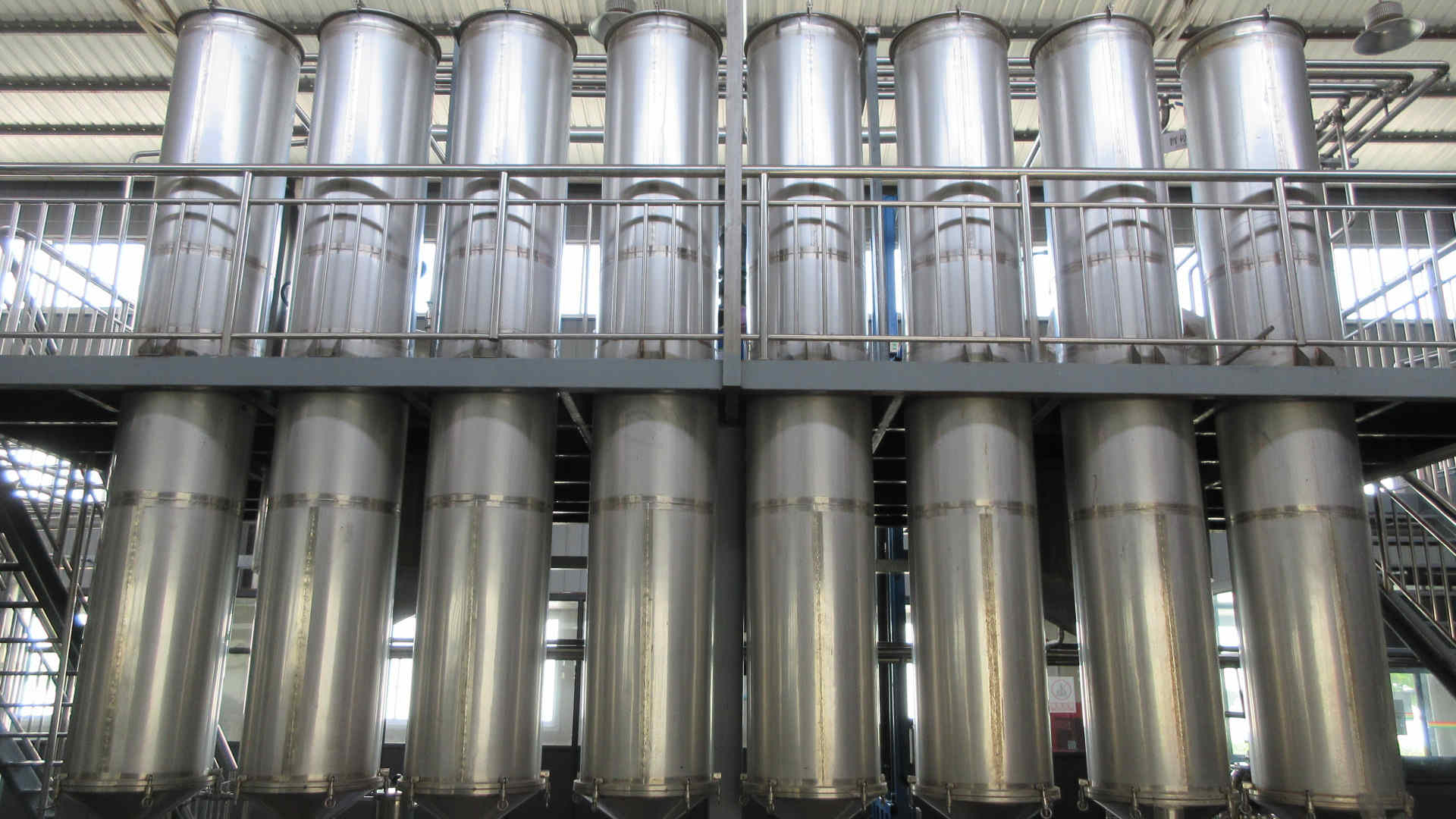
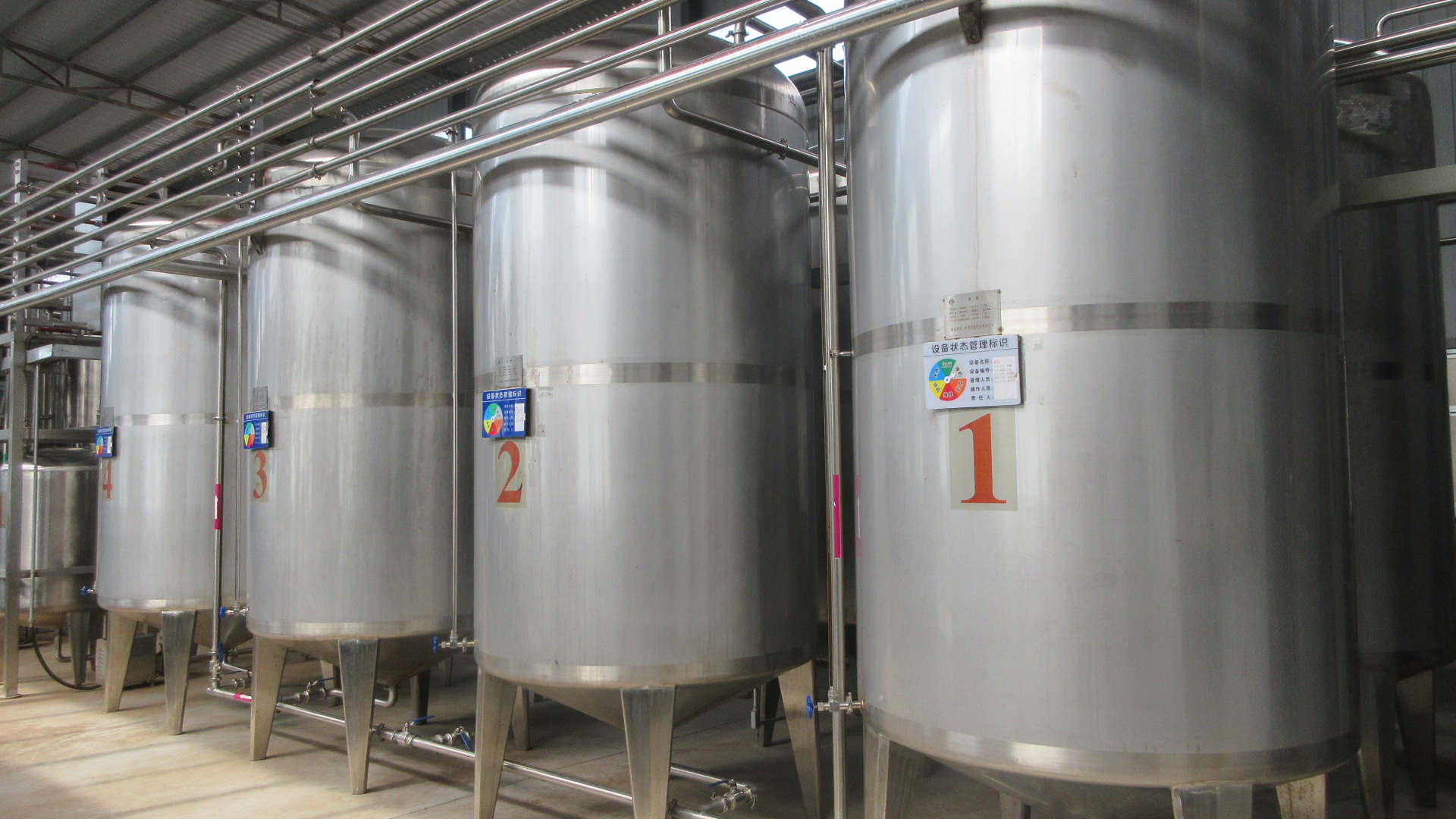
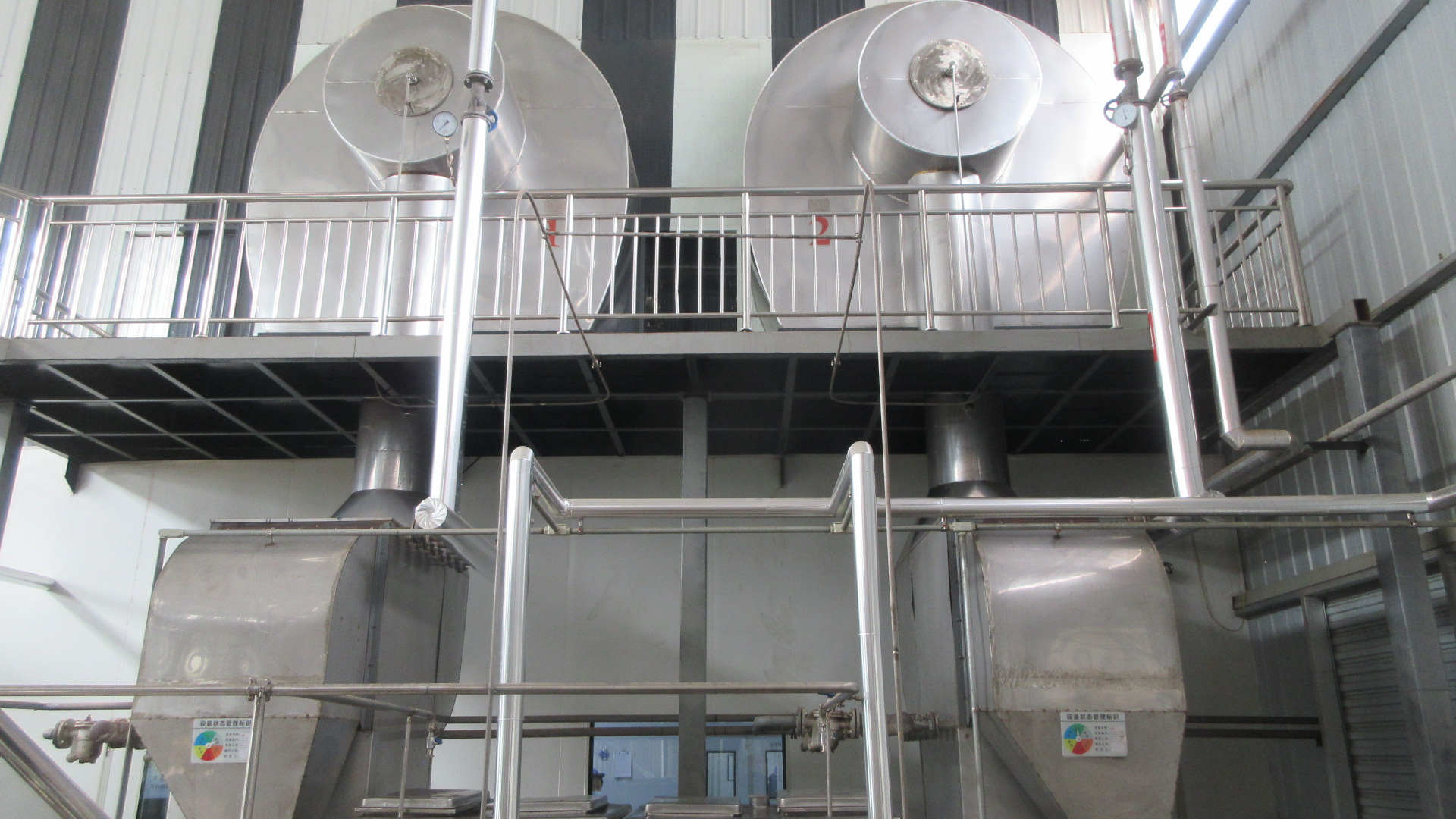
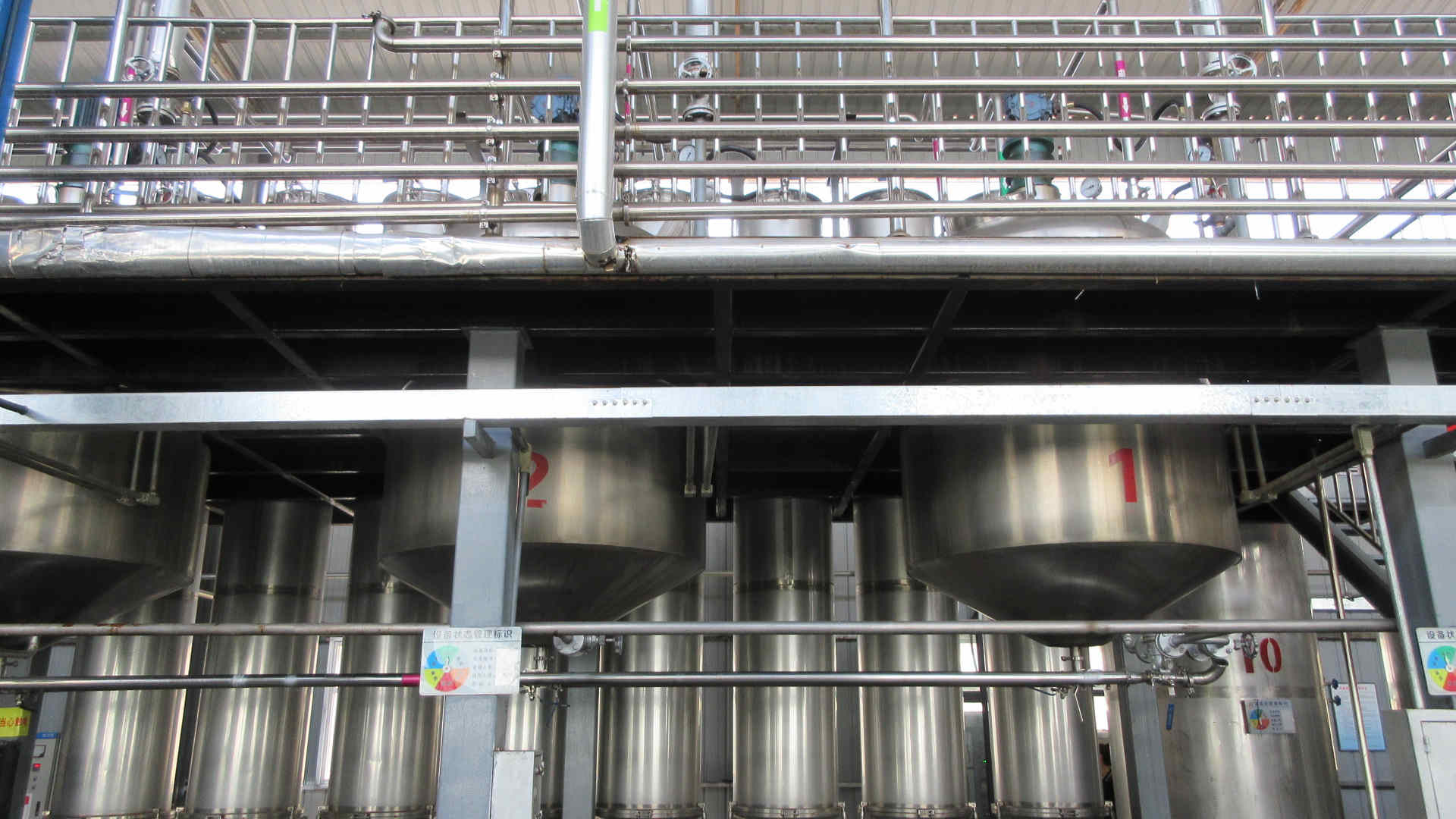
How fermented biological components address localized industrial requirements
Bio-fermented and chemical components are utilized across diverse industries depending on regional regulatory standards and consumer demands:
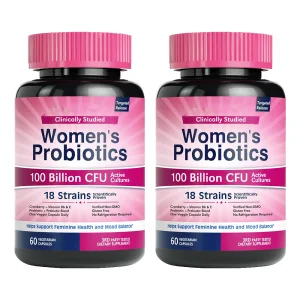
In mature functional nutrition markets like North America and Europe, products such as the 18 Strains 100 Billion CFU Probiotics are combined with soluble carriers like Prebiotic Fiber Powder. These synbiotic formulations support gut barrier health, immune response, and overall metabolic balance. Prebiotics provide the necessary carbon sources for probiotics to proliferate within the human intestinal tract.
Cosmetic manufacturers are increasingly substituting synthetic chemicals with biological alternatives. The Hydrolyzed Collagen Oligopeptide-1 freeze-dried powder set uses enzymatic cleavage and fermentation to ensure molecular weights remain under 1000 Daltons. This allows for deep epidermal absorption, aiding in tissue regeneration and cellular hydration.
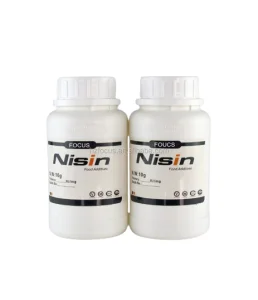
Regulatory restriction of synthetic chemical food additives (like sodium benzoate or potassium sorbate) has increased demand for bio-preservatives. In dairy products, carbonated fruit juices, and canned goods, Nisin Powder functions as a highly effective antimicrobial peptide. It inhibits Gram-positive spoilage bacteria without affecting the final flavor profile of the food product.
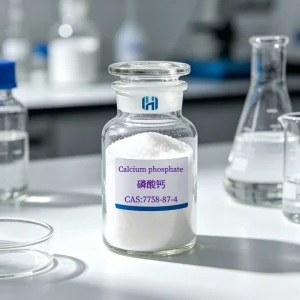
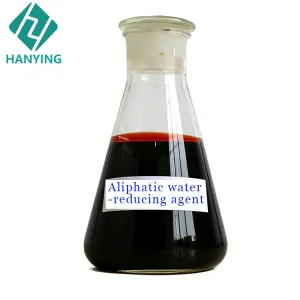
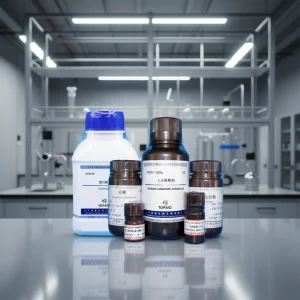
Beyond human consumption, specialized biopolymers and chemical derivatives play critical roles in heavy industry. The SAF-32% Aliphatic Superplasticizer serves as a high-performance concrete water reducer, optimizing slump retention and early strength. Meanwhile, high-purity organic intermediates, such as Calcium Phosphate and specialized organic compounds like 2-Bromo-4-chloropropiophenone, are utilized as base materials for pharmaceutical synthesis.
Key technologies shaping the next generation of biomanufacturing
The industrial biotechnology sector is evolving toward several high-tech breakthroughs:
Standard quality protocols for B2B buyers sourcing active compounds
Purchasing raw biological ingredients at industrial volumes requires careful validation to ensure batch consistency and regulatory compliance:
1. Analytical Verification: Every shipment of active ingredients must be accompanied by a Certificate of Analysis (COA) specifying test methods like HPLC (High-Performance Liquid Chromatography) or GC-MS (Gas Chromatography-Mass Spectrometry).
2. Strain Identification and CFU Stability: For probiotics, suppliers must provide genomic strain sequencing records along with stability data verifying target colony-forming units (CFUs) remain active throughout the product's shelf life under standard storage conditions.
3. Contamination Limits: Buyers should establish strict thresholds for heavy metals (Arsenic, Lead, Cadmium, Mercury), pesticide residues, and residual solvents (such as ethanol or ethyl acetate) to meet international standards set by the FDA and EFSA.
Answers to technical, regulatory, and logistics queries for B2B buyers
Our multi-strain probiotic capsules utilize a patented double-layer microencapsulation technology. This protects the active bacterial cells from acid, bile, and moisture. They remain stable at ambient temperature (25°C) for up to 24 months. For extended shelf life, cold chain storage at 4°C is recommended.
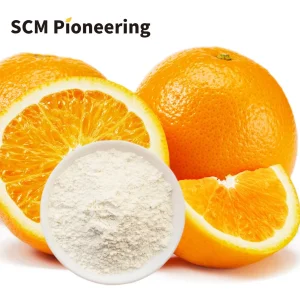
NHDC is a hydrogenated derivative of neohesperidin, a natural flavonoid extracted from bitter oranges. It is roughly 1500 to 1800 times sweeter than sucrose. In addition to sweetening, it acts as a flavor modifier and bitterness blocker. It is highly stable under thermal processing and acidic conditions, making it suitable for dairy, carbonated beverages, and pharmaceutical syrups.
Yes, our enzymatic hydrolysis and membrane filtration equipment allows us to control the molecular weight distribution of peptides. We can produce target molecular weights (e.g., under 1000 Da or under 500 Da) depending on your formulation requirements for absorption and bioactivity.
All our food-grade bio-fermented ingredients are manufactured in GMP-compliant facilities. They hold certifications including ISO 9001, ISO 22000, Kosher, Halal, and comply with FDA and EFSA regulations for safety and allergen limits.
For standard stocked items, goods are dispatched within 7 working days from our Shaanxi warehouse. Custom synthesis, large OEM orders, or granular preparations generally require 15 to 30 days for production, quality testing, and export clearance.
We source botanical raw materials from verified geographic zones. During extraction, we employ resin adsorption and molecular sieves to isolate active compounds while removing heavy metals, pesticides, and other unwanted residues. Each batch is verified by third-party testing before release.
Premium raw ingredients, chemical intermediates, and specialized additives

 Mirae Biology