Top 10 Sugar Alternatives Factory & Suppliers

The Definitive B2B Raw Ingredient Procurement Guide & Technical Analysis for Global Food and Pharmaceutical Manufacturers

1. Global Structural Shifts in Sweetener Sourcing & Demand Intent

The global sugar alternatives market is currently experiencing a historic paradigm shift. Food technology researchers, regulatory bodies, and formulation scientists are actively decoupling from high-glycemic sucrose and high-fructose corn syrups. The drivers are multidimensional: increasing global incidences of metabolic syndrome, legislative sugar taxes in over 50 jurisdictions, and an overwhelming consumer migration toward clean-label and natural diets. As a result, B2B procurement leaders no longer seek simple sugar replacements. Today's sourcing strategy requires high-performance, organoleptically optimized sweetener matrices that deliver identical functional behaviors (mouthfeel, bulking capacity, browning potential, and crystallization limits) without compromising biological safety margins.

“Modern sugar reduction requires an intricate balance of molecular structure and sensory physics. Substituting sucrose with high-intensity sweetening ligands requires a deep understanding of synergism and botanical carrier systems.”

Google search trends and internal B2B purchasing databases demonstrate a significant elevation in searches containing high search-intent modifiers such as "USDA certified organic stevia factory direct," "FDA GRAS allulose bulk pricing," and "Thaumatin heat-stable masking agent." Understanding these intent patterns is critical for manufacturers who must optimize their chemical supply lines and match formulation profiles with global market expectations.

5.6%
Global Sweetener Market CAGR (2024-2032)
100%
Traceability & GFSI Certified Supply Chain
>99%
Standard Active Ingredient Assay Purity
80+
Export Nations Across NA, EU & APAC

2. China's Industrial Dominance in Sugar Alternatives Manufacturing

When assessing the global map of sweetener factories, China represents the foundational pillar for supply stability and raw botanical extraction. Shaanxi Province, in particular, stands as an elite global node for phytochemistry and biotechnology due to its unique combination of agricultural density and highly advanced technological processing infrastructure. Chinese sugar alternative factories provide several key advantages to global buyers:

  • Vertical Integration of Raw Botanical Supply Chains: Leading factories maintain dedicated agricultural zones for Stevia Rebaudiana, Monk Fruit (Siraitia grosvenorii), and botanical sources for natural glycoproteins like Thaumatin. This direct control minimizes pesticide residues and secures raw biomass consistency.
  • High-Yield Fermentation Engineering: Large-scale industrial biotransformation facilities utilize state-of-the-art biological pathways (e.g., genetically stable strains of Saccharomyces cerevisiae or Yarrowia lipolytica) to produce highly uniform bulk sweeteners such as Erythritol and Allulose via enzymatic conversion.
  • Unparalleled Cost Efficiencies: The co-location of energy generation, enzyme manufacture, and automated packaging lines in Chinese chemical parks allows factories to export premium-grade alternative sweeteners at pricing structures that Western suppliers cannot match.
  • Rigorous Regulatory Alignment: Advanced Chinese exporters maintain fully compliant ISO 9001, ISO 22000, FSSC 22000, Kosher, Halal, and USDA Organic certifications, ensuring seamless importation through Western customs checkpoints.

Technical Specification Comparison of Key Sugar Alternatives

Understanding the molecular properties and sensory performance of key sweeteners is crucial for technical directors designing new food formulas. The following data details the core physical parameters of leading sugar replacements:

Sweetener Compound Purity/Assay Spec Sweetness vs. Sucrose Thermal & Acid Stability Primary Application Suitability
Rebaudioside M (Stevia) ≥ 95% (HPLC) 250x - 300x High (up to 200°C) / Stable at pH 2-10 Beverages, Dairy, Tabletop Sweeteners
Mogroside V (Monk Fruit) ≥ 50% (HPLC) 150x - 250x Excellent thermal profile / pH stable Clean-Label Foods, Infusions, Nutraceuticals
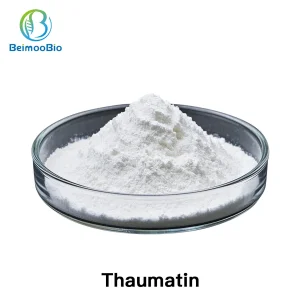
Thaumatin (Natural Glycoprotein) 99% Pure Powder 2,000x - 3,000x Stable at pasteurization temps / pH 2-8 Flavor Masking, Dairy, Synergy Enhancement
Erythritol (Polyol) 99.5% Dry Basis 0.7x (70%) Highly Stable / Melts at 121°C Bulking Agent, Keto Bakery, Chocolate
D-Allulose (Rare Sugar) ≥ 98.5% 0.7x (70%) Undergoes Maillard browning / pH stable Ice Cream, Bakery, Sauces, Syrups

3. Shaanxi Mirae Biology Co., Ltd. — Enterprise Competency Profile

Shaanxi Mirae Biology Co., Ltd. is a professional manufacturer and global supplier specializing in the research, development, production, and distribution of high-quality plant extracts, nutritional ingredients, cosmetic raw materials, peptides, and specialty chemicals. Located in Shaanxi Province, China, a region renowned for its rich botanical resources and advanced biotechnology industry, we combine premium natural ingredients with modern extraction technology to provide innovative and reliable solutions for customers worldwide.

With a strong commitment to quality, innovation, and customer satisfaction, we serve clients across the pharmaceutical, nutraceutical, cosmetic, food, and research industries. Our experienced technical team and strict quality control system ensure that every product meets international standards for purity, safety, and consistency. Today, our products are exported to customers in North America, Europe, Southeast Asia, the Middle East, and many other international markets, earning a reputation for dependable quality and professional service.

Why Choose Shaanxi Mirae Biology Co., Ltd.

  • Professional manufacturer with years of industry experience and deep botanical expertise.
  • Strict quality control and complete testing procedures utilizing advanced HPLC, GC, and MS systems.
  • Advanced extraction and production technologies that preserve the bioactive components of raw plant inputs.
  • OEM & ODM customization services tailored to specific particle size, bulk density, and solubility requirements.
  • Competitive pricing with stable supply capacity supported by strategic raw material reserves.
  • Fast global delivery and responsive customer support with dedicated logistical networks.
  • Dedicated technical assistance before and after sales to resolve complex formulation challenges.

Step-by-Step Advanced Manufacturing & Quality Assurance Process

Ensuring the chemical and physical integrity of sugar alternatives and biological products requires high-level control over every stage of processing. Below is an outline of the technical steps executed within our facilities:
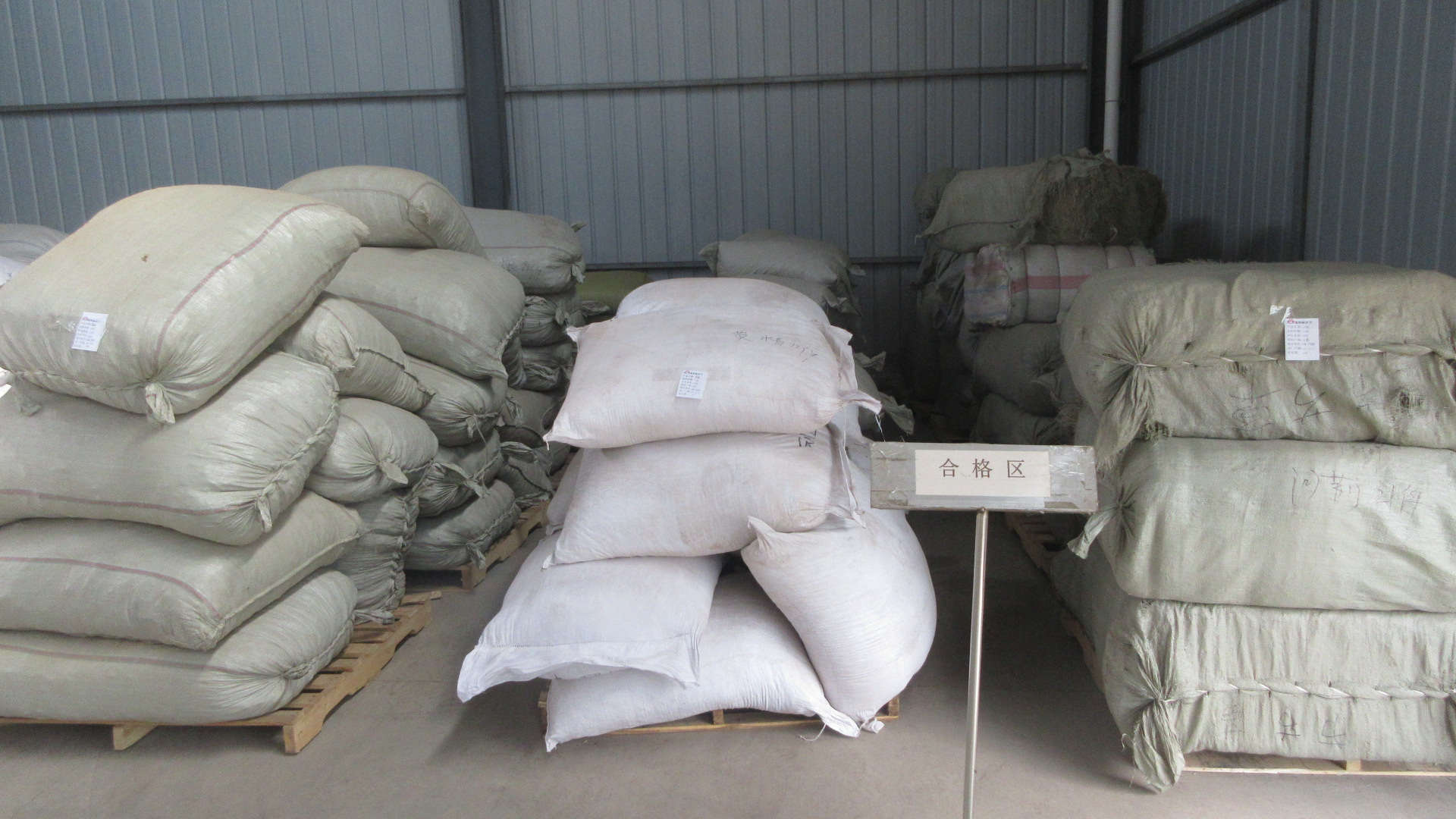
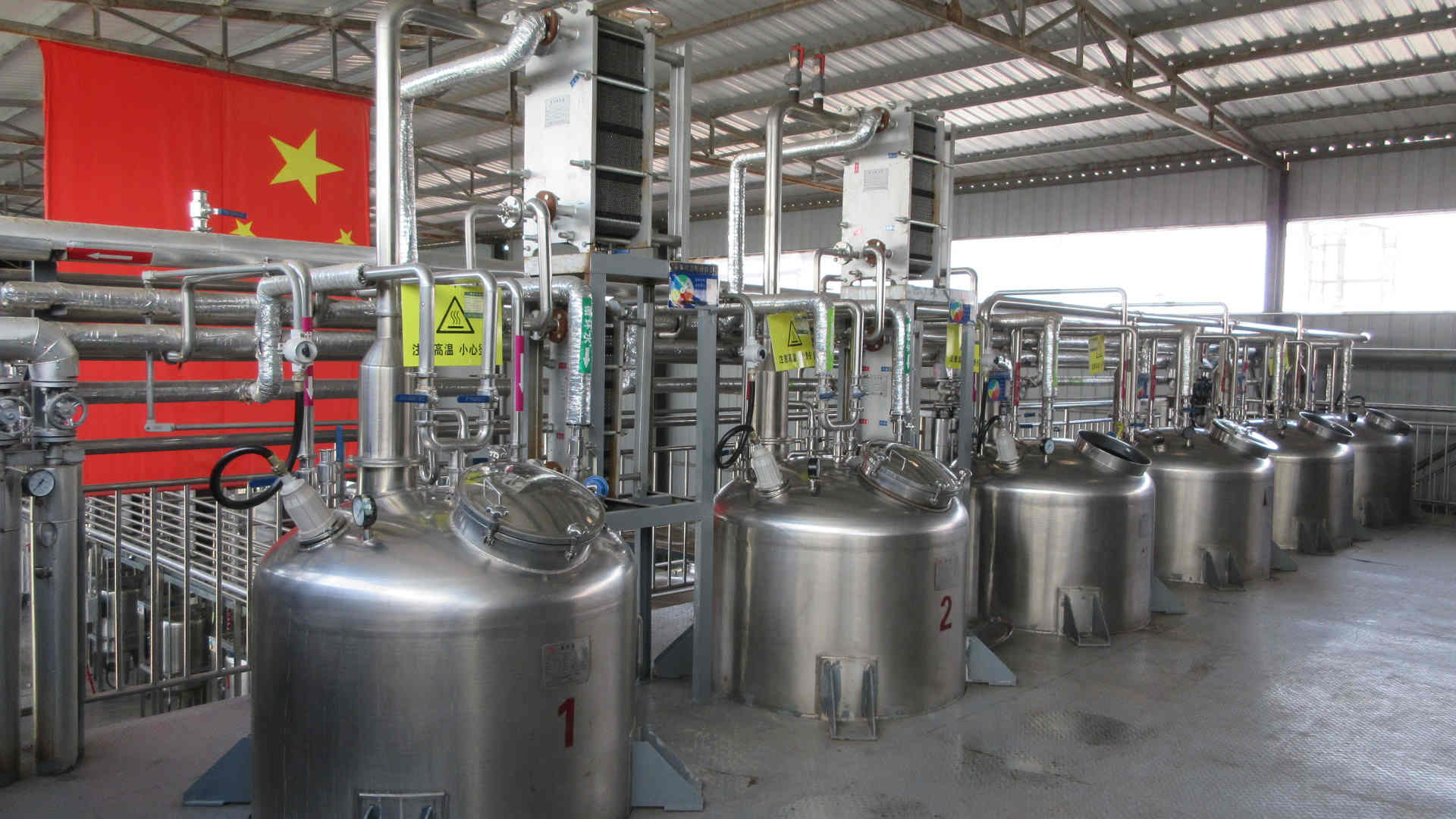
Raw Materials Control
Raw Materials Sourcing
Botanical Extract Process
Extract Phase
Liquid Concentration
Concentration
Adsorb Phase Chromatography
Adsorb Separation
Drying & Spraying Processing
Drying & Spraying
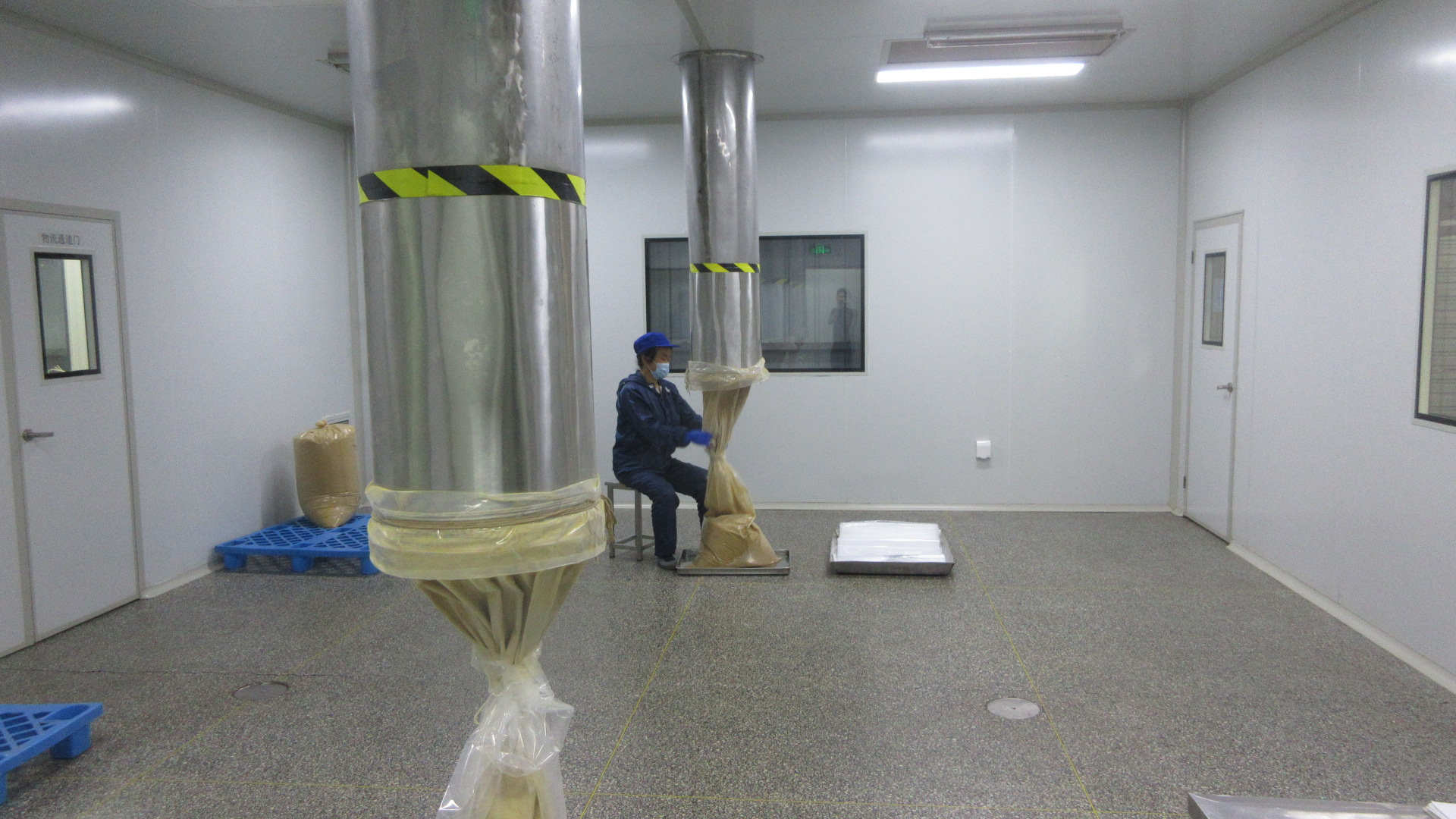
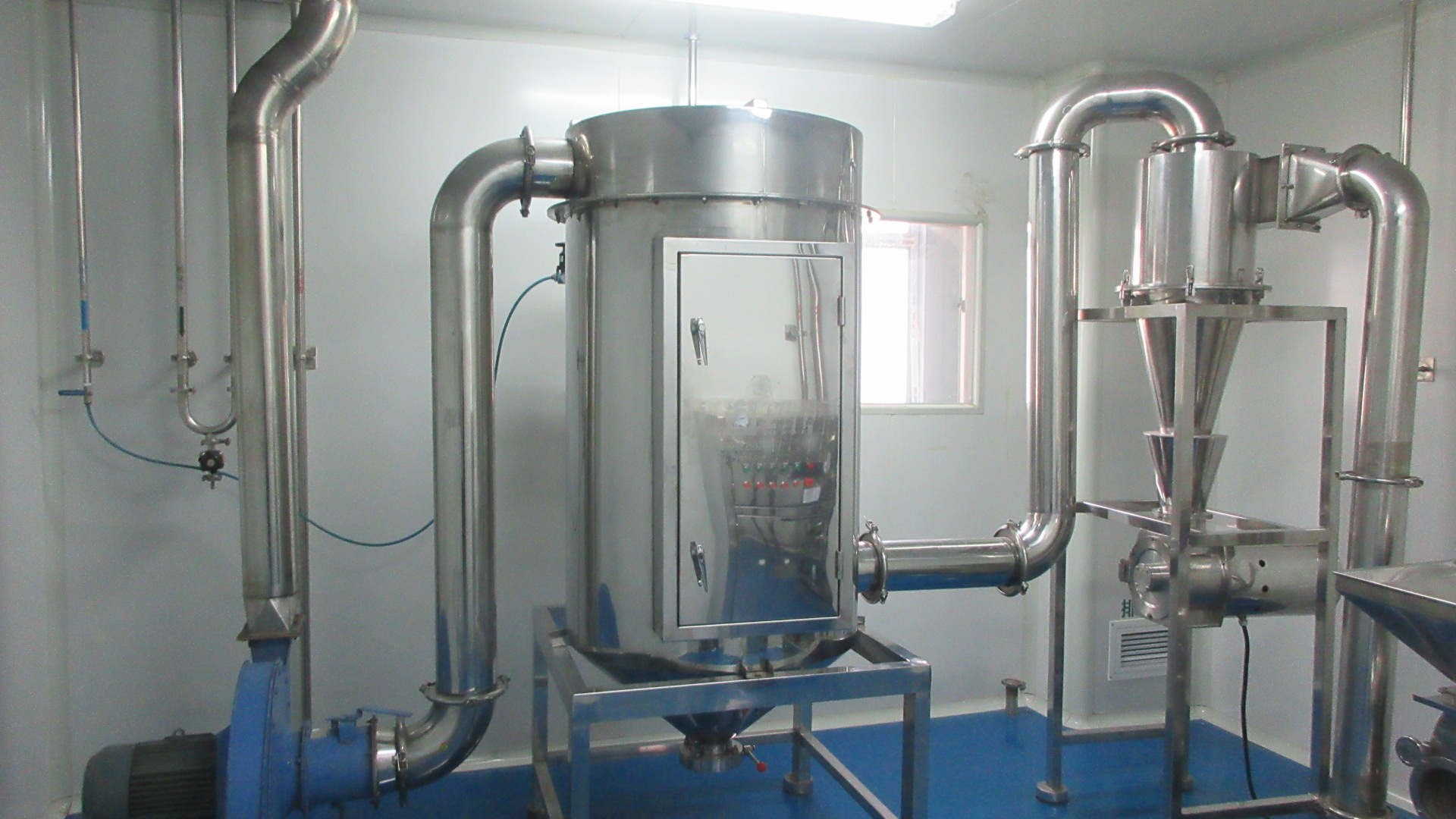
Smashing & Sieving
Smashing & Sieving
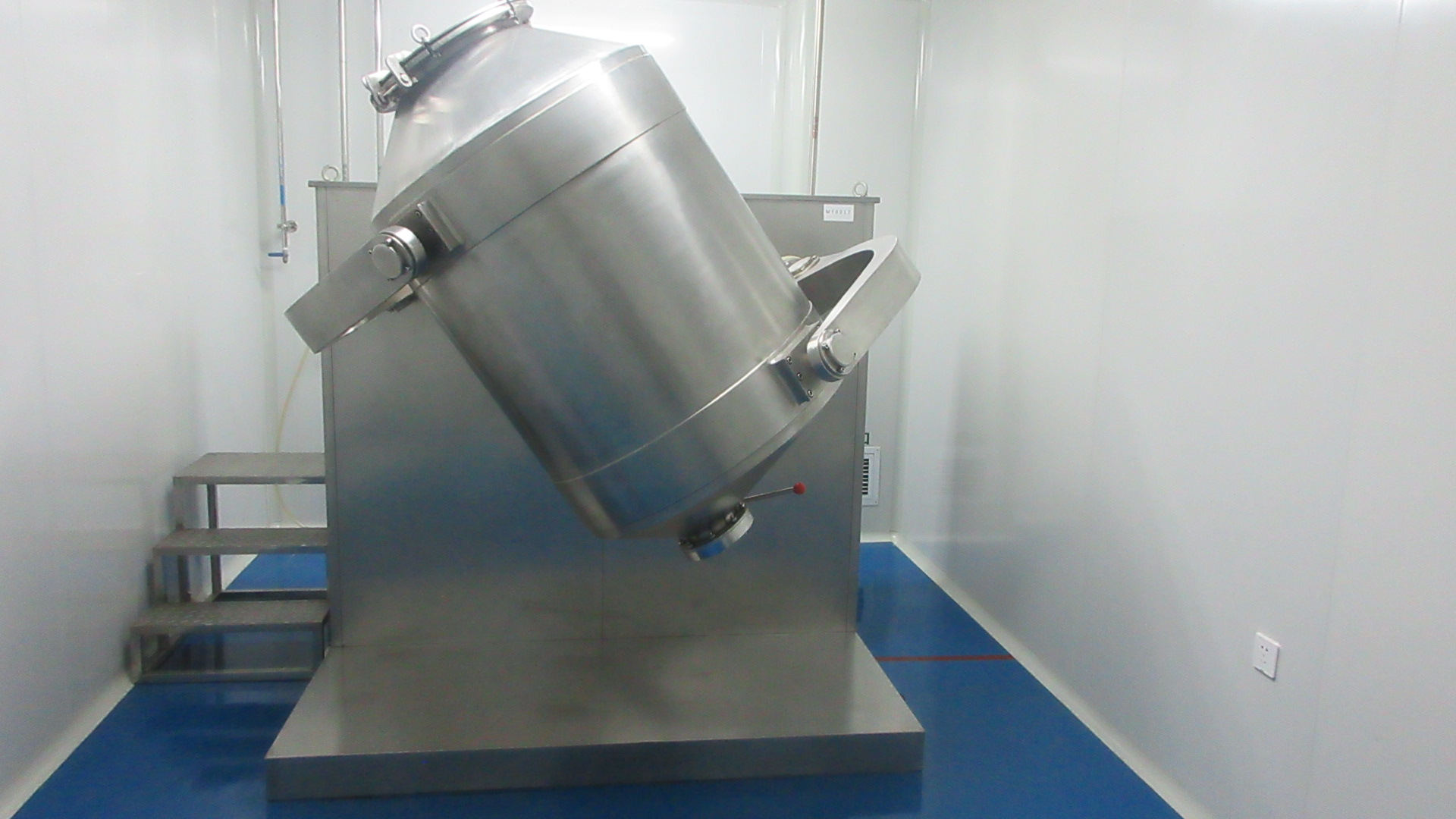
Mixing Blend Stage
Precise Mixing
Finished Product Quality Release
Finished Product Control
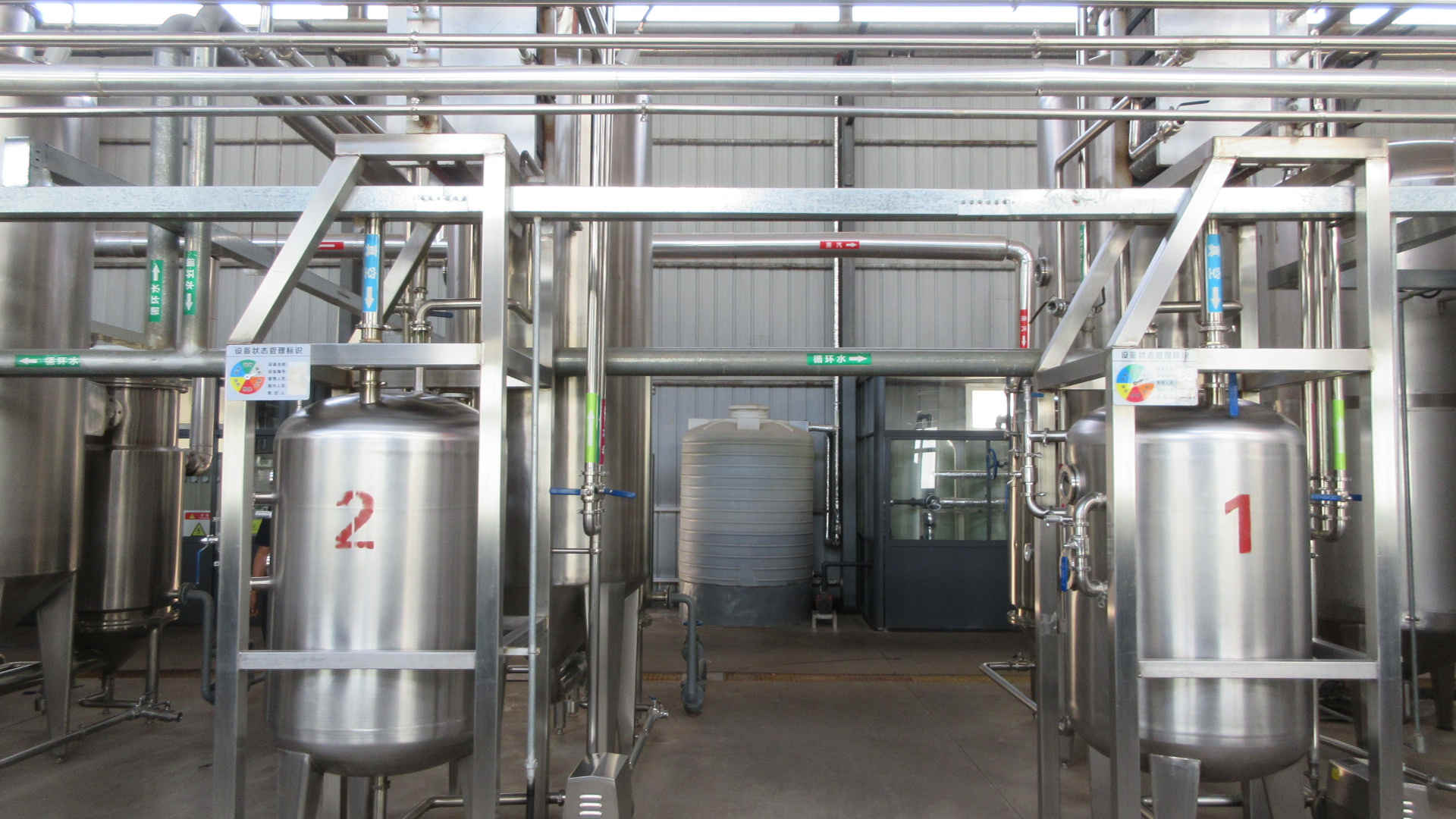
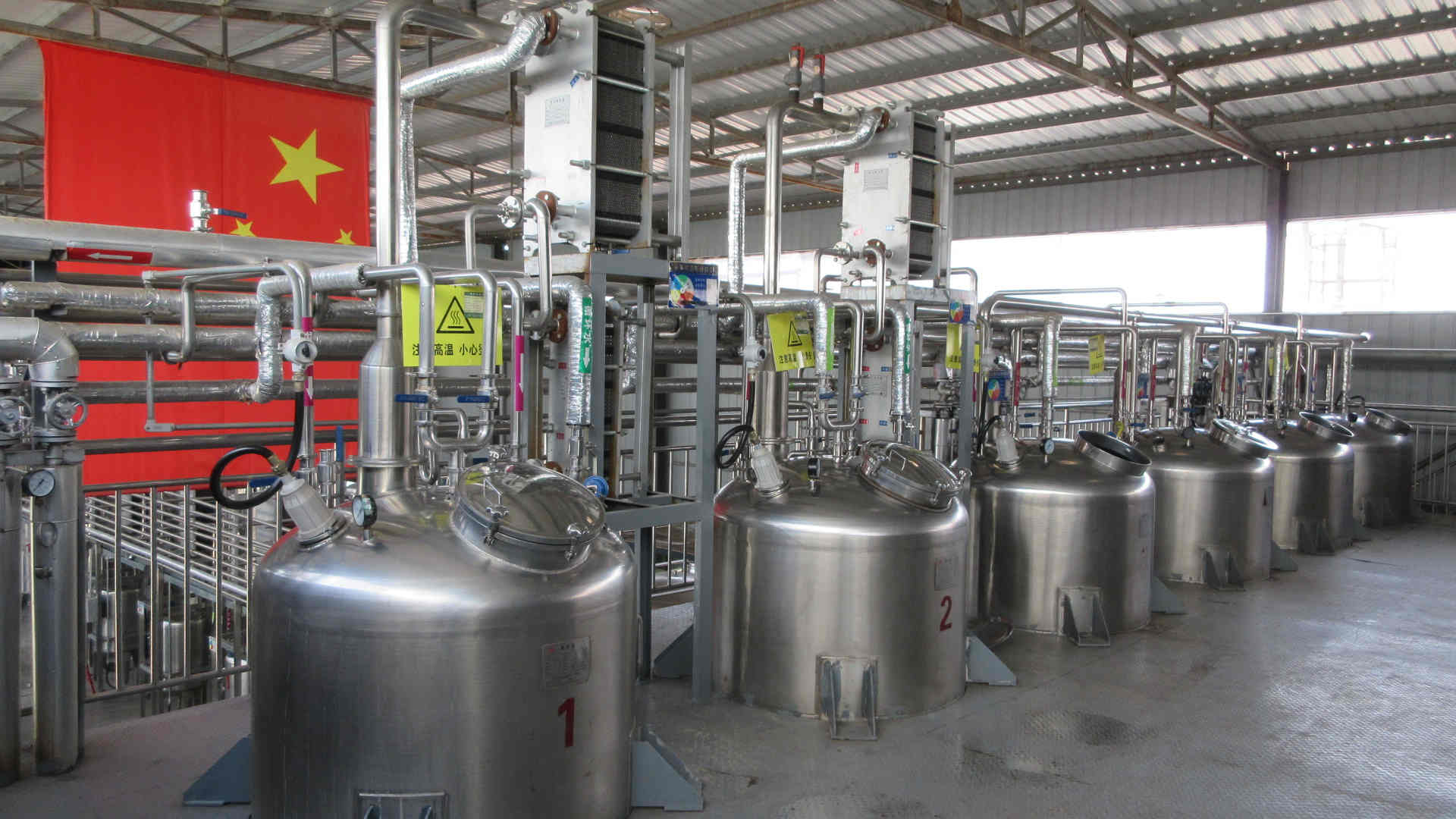
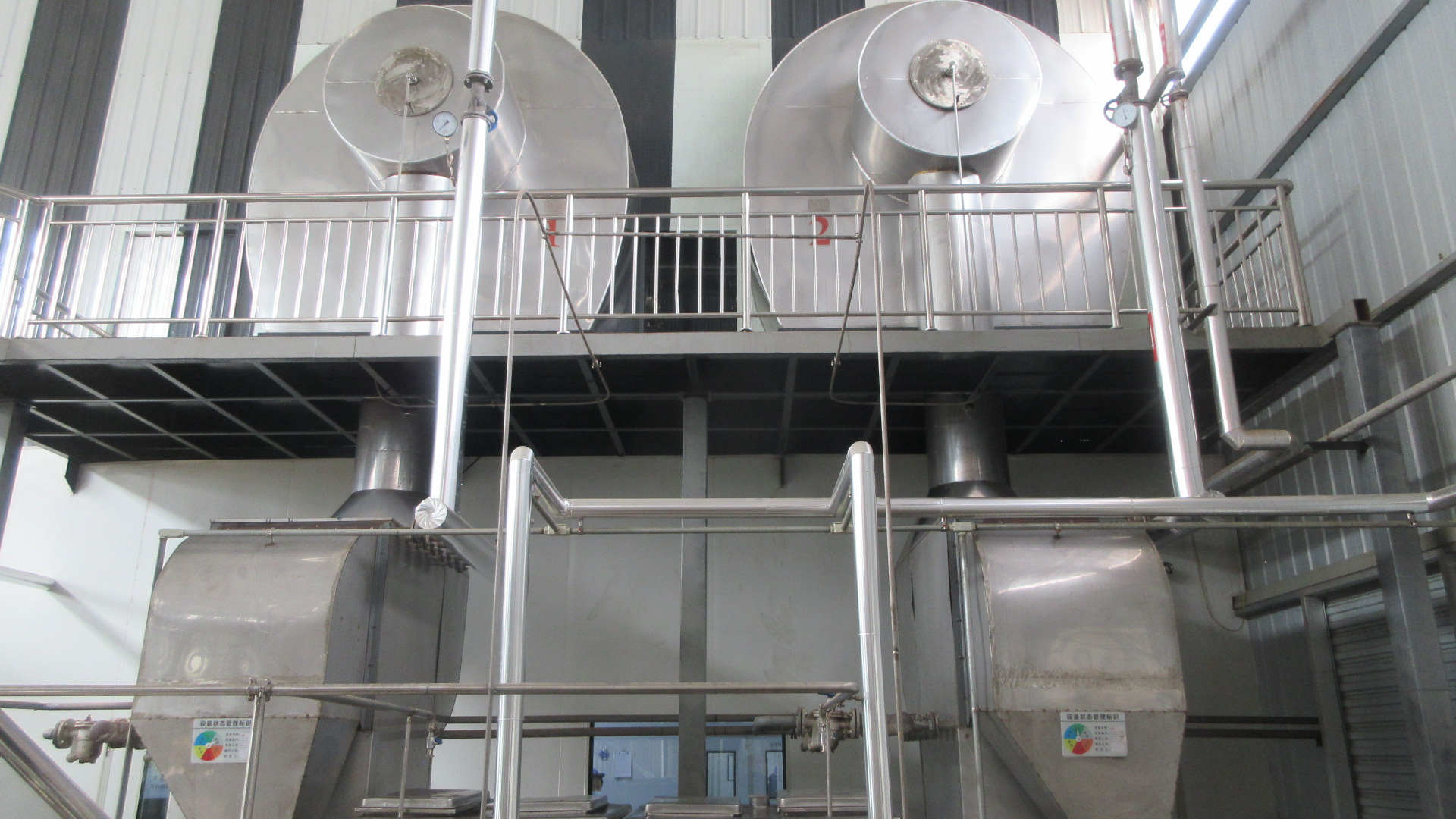
Extract Tank Equipment
Extract Tank
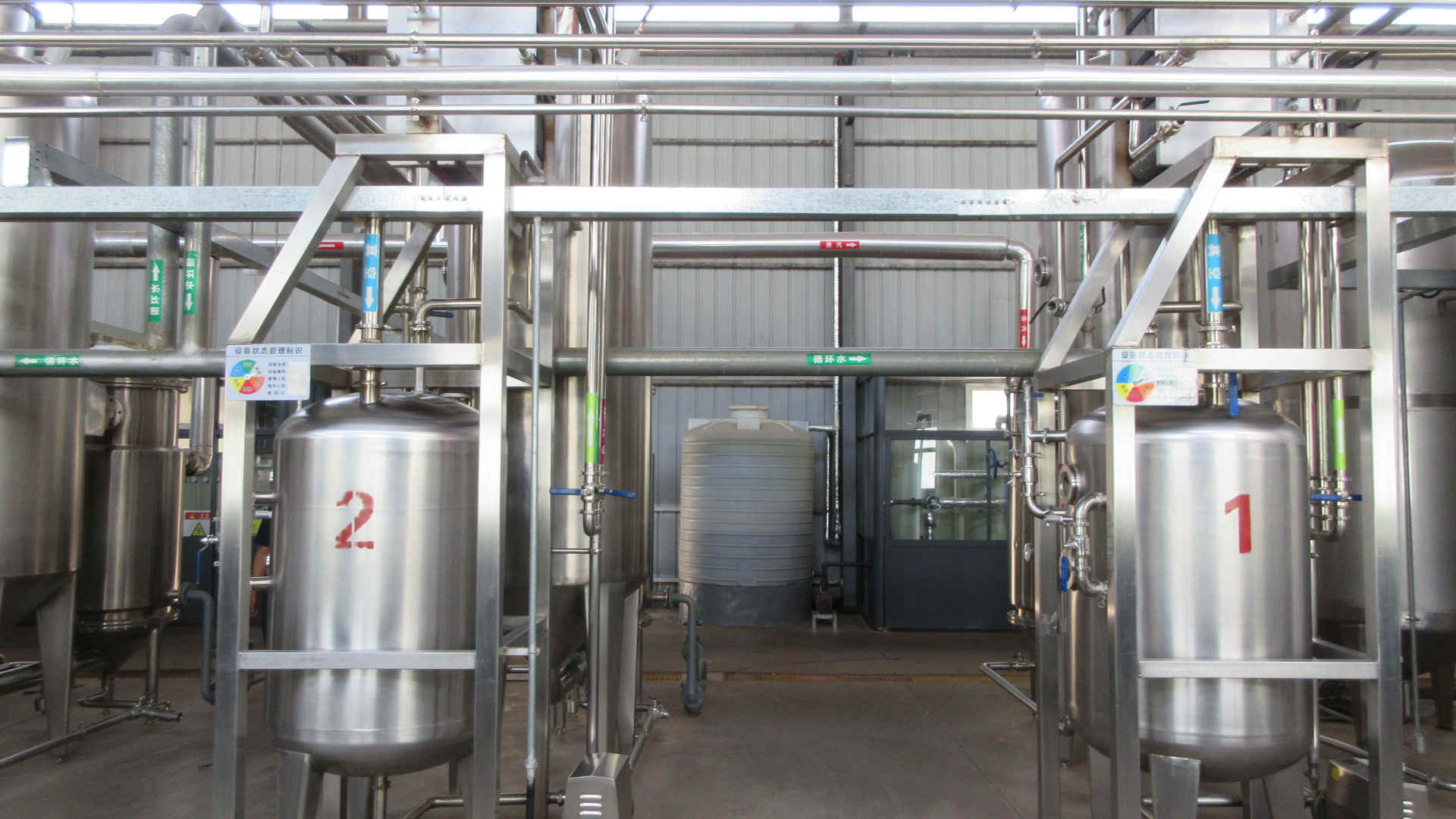
Concentrator Machine
Concentrator System
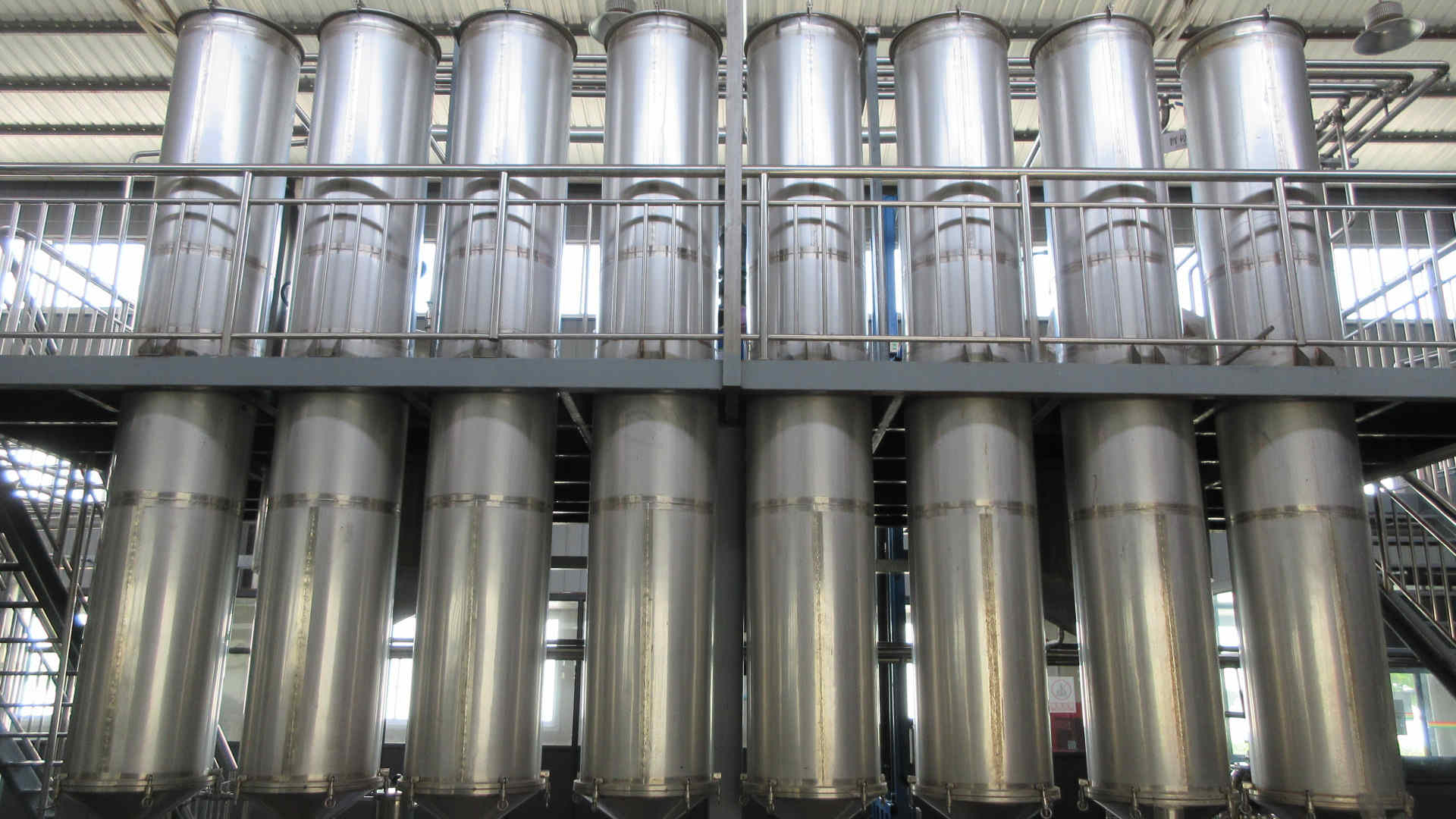
Adsorb Equipment Chromatograph
Adsorb Equipment
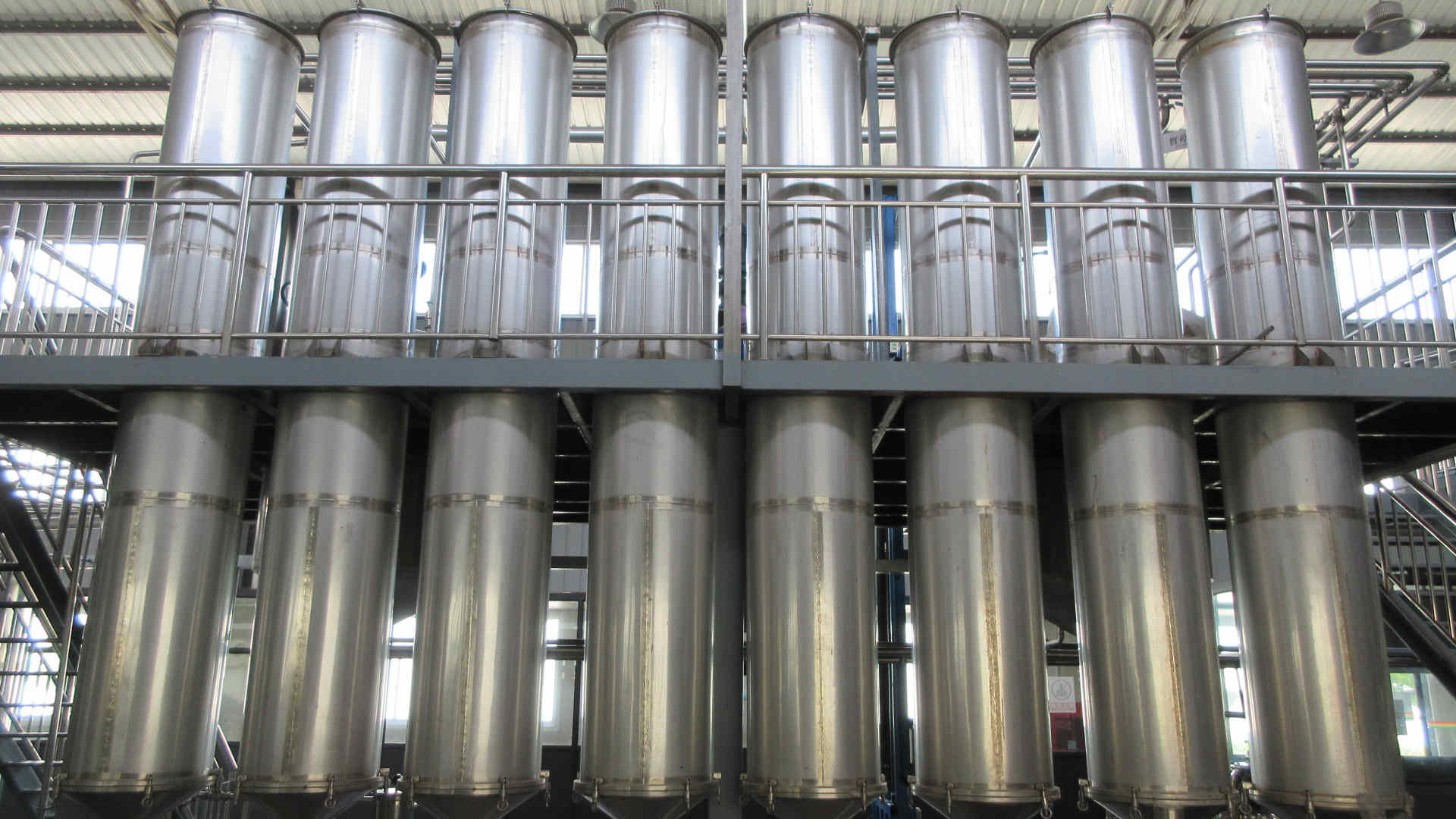
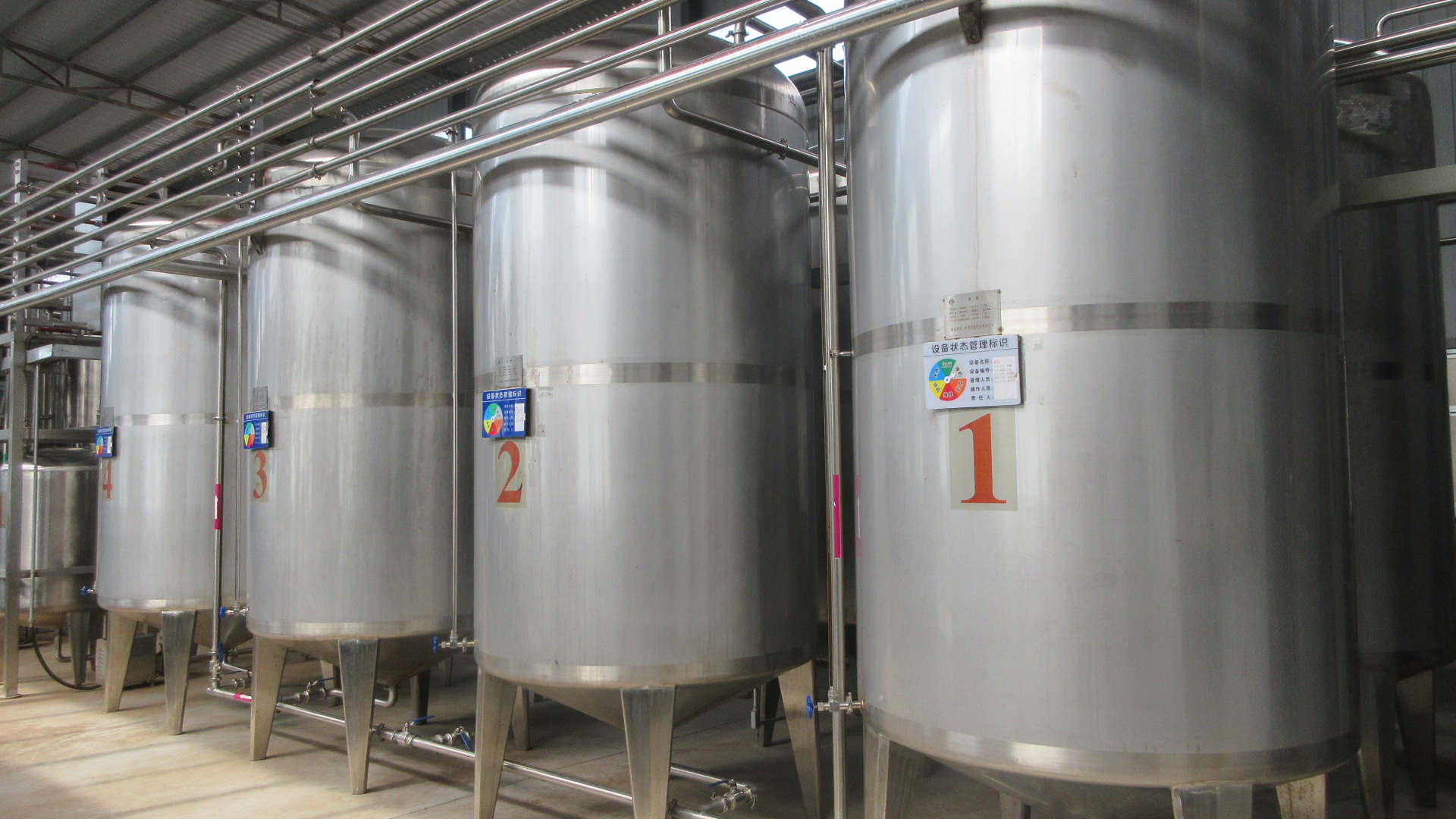
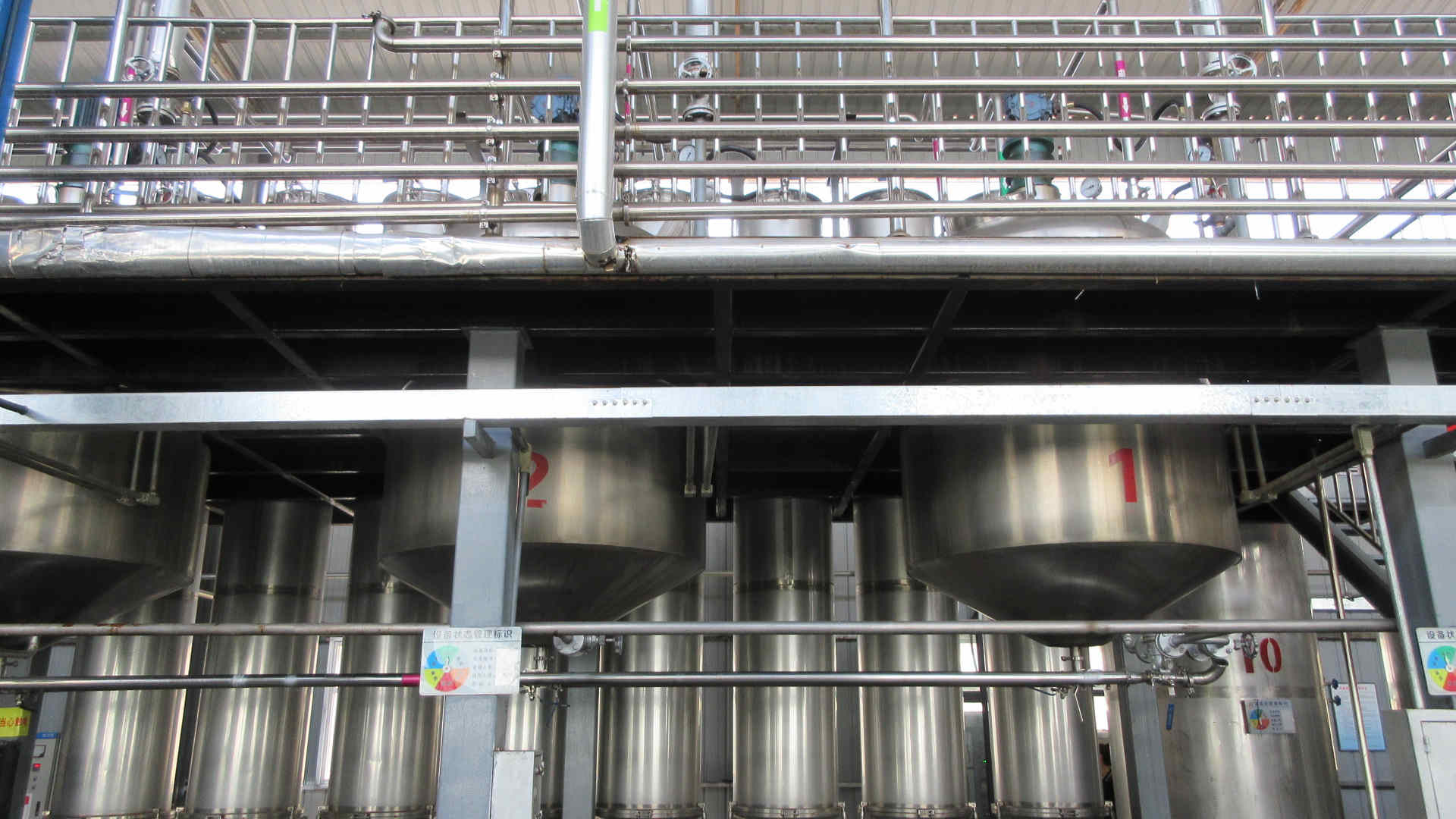
Industrial Storage Tanks
Storage Tanks
Industrial Spray Tower
Spray Tower
Reaction Tank Vessel
Reaction Tank

4. Application Scenarios & Macro Industry Solutions

A primary failure mode in B2B sweetener integration is the "one-size-fits-all" approach. Different food systems present distinct chemical matrices that react differently to sweetener substitutes. Shaanxi Mirae Biology Co., Ltd. addresses this through tailored application solutions:

A. Carbonated and Still Beverage Formulation

Beverages require instant sweetness release, clear solubility, and long-term acid stability. If a formulation utilizes Reb A or Reb D, acid hydrolysis at pH 2.8 to 3.2 can degrade the glycoside structures over time, leading to taste alteration. We engineer blended solutions containing Thaumatin and high-purity Mogrosides. This synergistic blend masks the metallic and lingering licorice-like aftertastes often associated with raw stevia, providing a clean sweetness curve identical to sucrose.

B. Probiotic & Dairy Systems

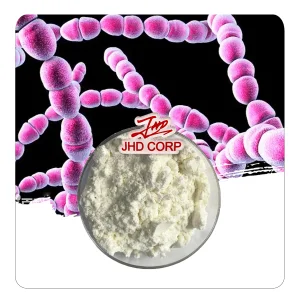
Modern functional yogurts rely heavily on active bacterial cultures like *Streptococcus Thermophilus* (similar to our Streptococcus Thermophilus Probiotics Powder 10 Billion CFU). Standard sugars nourish these bacteria during fermentation, but excessive high-potency sweeteners can inhibit probiotic viability if osmotic pressures shift. Using non-digestible polyols like Erythritol in combination with natural protein sweeteners provides the essential bulking requirements without generating unwanted lactic acid spikes during cold chain transport.

C. Bakery and Confectionery (Maillard Browning and Crystallization Control)

Sugar provides bulk, structure, and browning (the Maillard reaction) in baked goods. Polyols such as Erythritol do not brown or caramelize because they lack reducing sugar groups. For industrial bakers, we supply optimized Allulose-Stevia blends. Allulose is a monosaccharide that participates in the Maillard reaction, yielding the desired crust color and crumb density while maintaining a low-glycemic profile.

5. Global Enterprise Procurement & Risk Management Guide

Global procurement teams must manage several key criteria when sourcing alternative sweeteners from overseas suppliers. To ensure regulatory compliance and supply stability, consider the following factors:

  1. Heavy Metal and Pesticide Controls: Natural botanical extracts like Stevia and Monk Fruit are hyper-accumulators of soil contaminants. B2B buyers must demand Inductively Coupled Plasma Mass Spectrometry (ICP-MS) verification for Arsenic, Lead, Cadmium, and Mercury, alongside multi-residue pesticide screens.
  2. GMO and Traceability documentation: With EU and NA regulations enforcing strict labeling for genetically modified organisms, suppliers must provide comprehensive trace records for all fermentation inputs (e.g., the identity of corn starch used in polyol fermentation).
  3. Microbiological Safety: Standard specification sheets should declare total plate counts <1000 CFU/g, with zero yeast, mold, or pathogenic enterobacteriaceae. This is critical for shelf-stable powder formulations.
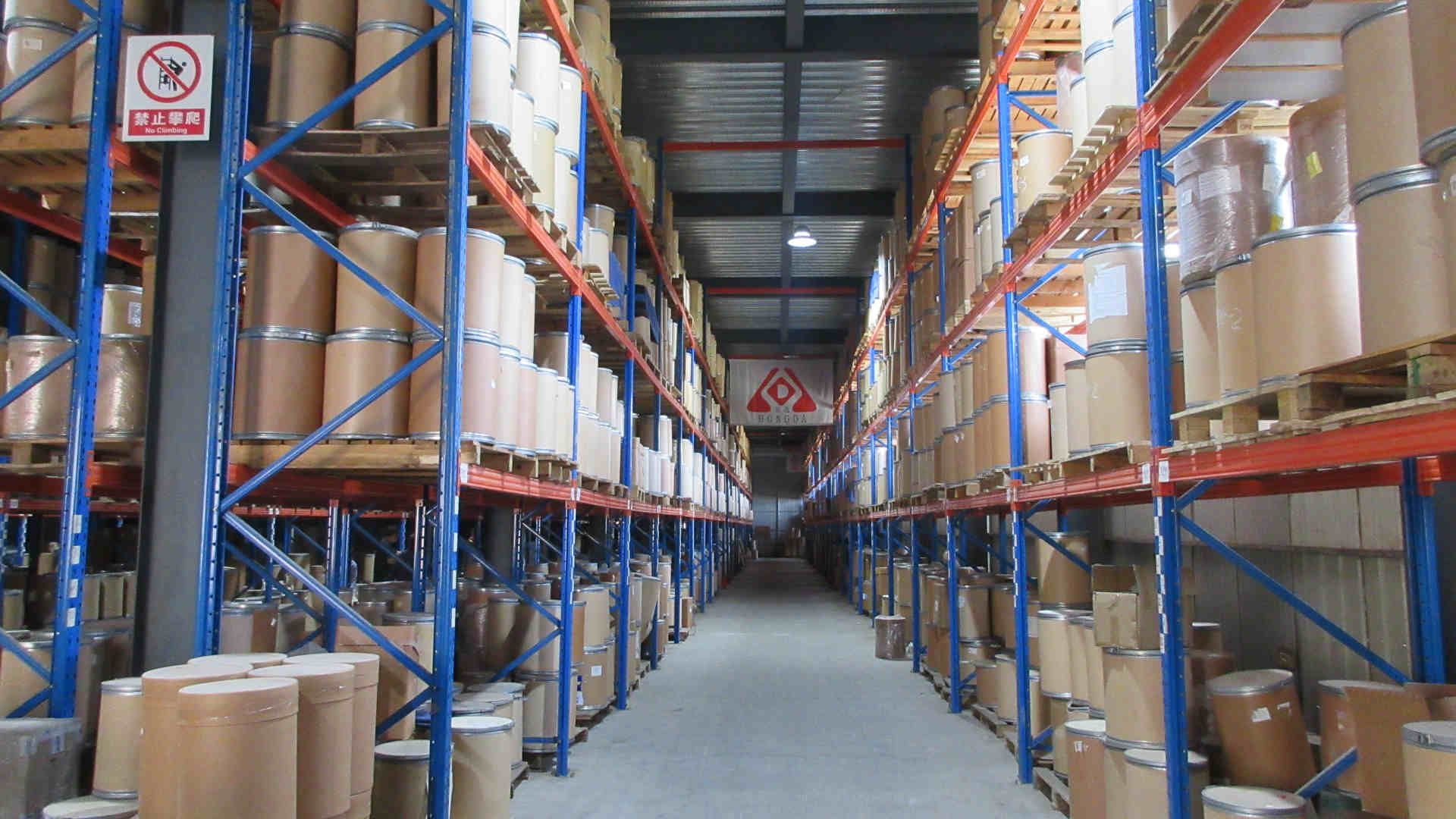
  4. Supply Chain Geopolitics & Logistics Mitigation: B2B buyers can prevent ocean-freight delays by partnering with suppliers that operate local warehouses (such as Shaanxi Mirae's strategically positioned USA EU warehouses). This reduces lead times from 45 days down to 3-5 days.

Industrial Sugar Alternatives & Raw Ingredients FAQ

Expert technical answers to critical sourcing, chemical stability, and application questions for procurement managers and product developers.

Why is Thaumatin classified as both a sweetener and a flavor enhancer?
Thaumatin is a natural sweet-tasting protein extracted from the West African fruit Thaumatococcus daniellii. Because it is approximately 2,000 to 3,000 times sweeter than sucrose, it is utilized in micro-doses. At these extremely low concentrations (often less than 5 ppm), it interacts with the tongue's taste receptors to mask bitter, metallic, or astringent off-notes, making it an excellent synergistic additive for Stevia-based formulations.
How does Shaanxi Mirae Biology ensure the shelf stability of its probiotic powders?
Our Yogurt Starter Culture and Streptococcus Thermophilus Probiotics Powder are manufactured using state-of-the-art cryoprotectant technologies during the freeze-drying process. This protects the bacterial cell walls from crystal damage. We guarantee a minimum cell count of 10 Billion CFU/g through protected packaging systems that limit moisture ingress and oxygen exposure.
What are the regulatory differences between Erythritol and D-Allulose in the EU and USA?
Erythritol is widely approved for food use in both the USA (GRAS) and the EU (E968). D-Allulose is approved as a GRAS ingredient in the United States and is excluded from the total and added sugar counts on nutrition labels. However, in the European Union, Allulose is still undergoing assessment under the Novel Food Regulation, meaning it cannot yet be commercialized in EU food formulations.
What is the advantage of sourcing from a factory with USA/EU warehousing?
Sourcing from suppliers with localized USA/EU warehouses significantly lowers shipping lead times, eliminates complex import customs procedures for the buyer, and mitigates ocean shipping rate fluctuations. It allows brands to implement Just-In-Time (JIT) inventory strategies, reducing capital tied up in stock.
Does Stevia extract undergo chemical synthesis during manufacturing?
No. Natural Stevia extracts (such as Reb A, Reb M, and Reb D) are isolated from Stevia Rebaudiana leaves using hot-water extraction followed by chromatographic purification. This is a physical separation process, keeping the final powder compliant with natural, clean-label requirements.
How does particle size influence the application of bulk sugar alternatives?
Particle size affects dissolution rates and mixing homogeneity. Coarse granules (30-80 mesh) are ideal for tabletop sweeteners and standard dry mixes because they flow easily. Fine powders (100 mesh and above) are required for chocolate manufacture and dry beverage formulations to ensure rapid solubility and prevent a gritty mouthfeel.
Can Thaumatin be used in high-temperature baking processes?
Yes. While Thaumatin is a protein, it exhibits excellent thermal stability under acidic conditions. It can withstand pasteurization and standard baking temperatures (up to 200°C) without losing its sweetening potency, unlike other sweet proteins like Monellin.
What certifications should B2B buyers require for organic food ingredients?
Procurement teams should verify that the manufacturer holds USDA Organic (NOP) and EU Organic certifications issued by accredited bodies such as ECOCERT or CERES. Additionally, GFSI certifications (FSSC 22000 or BRC) are essential for guaranteeing facility hygiene and allergen control.