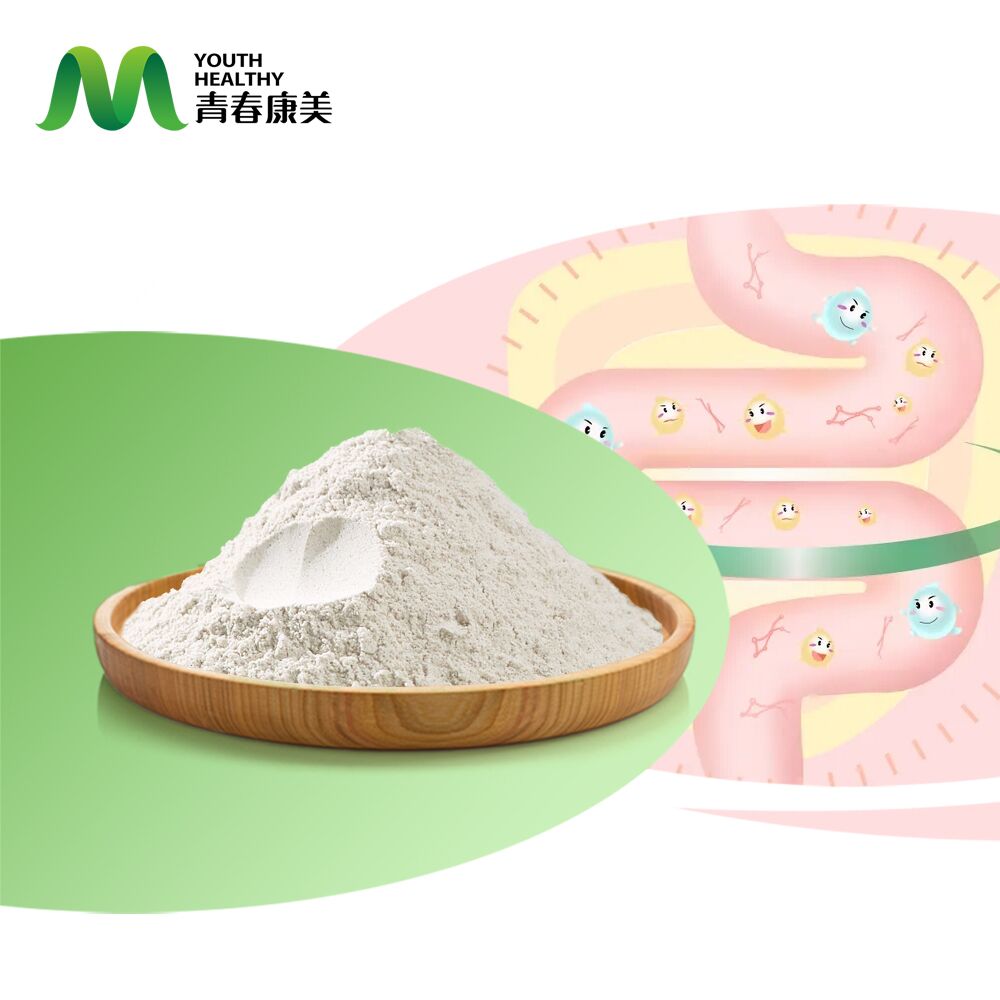
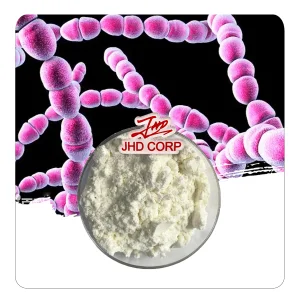
Lactobacillus casei is an organism belonging to the largest genus in the Lactobacillus family, a lactic acid bacterium (LAB), previously classified as Lactobacillus casei-01. This bacterium has been identified as a parthenogenic or slightly aerobic, acid-tolerant, non-spore-forming bacterium. The classification of this group has been debated for several years because researchers have had difficulty distinguishing between Lactobacillus casei and Lactobacillus paracasei strains.
Lactobacillus casei is a non-spore-forming, rod-shaped, Gram-positive microorganism that can be found in the reproductive and digestive tracts of humans. Because Lactobacillus casei can survive in a variety of environmental habitats, it has been and continues to be extensively studied by health scientists. Commercially, Lactobacillus casei is used in fermented dairy products and its application as a probiotic.
Applications of Lactobacillus casei
1
Dairy Products
The most common application of Lactobacillus casei is in industry, especially in dairy production. Lactobacillus cereus is used as one of the probiotic bacteria in dairy products such as milk, yogurt, soy milk, cream and cheese as fermenters and auxiliary fermenters, especially in cheese, adapting to the high salt content and low pH in cheese, increasing the metabolism through some important amino acids and promoting the flavor and ripening of cheese. The special feature of the functional yogurt obtained from the combination of sugar-free yogurt alcohol and probiotics is that, on the one hand, no sucrose or simple sugars are added to the raw material, but xylitol is chosen as a functional sweetener to avoid elevated blood sugar levels; on the other hand, probiotics with unique health functions help digestion.
2
Medical Applications
A commercial beverage containing Lactobacillus casei strains has been shown to inhibit the in vivo growth of H. pylori. Some Lactobacillus casei strains are considered probiotics and may be effective in alleviating pathogenic bacterial diseases of the gastrointestinal tract. According to the World Health Organization, these properties must be proven on each specific strain - including human clinical studies - to be effective. Lactobacillus casei was used in combination with other probiotic strains in a randomized trial to study its role in preventing antibiotic-associated diarrhea (AAD) and Clostridium difficile infection (CDI) in patients not given placebo in the trial for AAD or CDI (depending on the trial), with no adverse effects reported. Studies have shown that Lactobacillus is a safe and effective treatment for acute and infectious diarrhea. Lactobacillus casei can be used in the natural fermentation of legumes during food preparation to reduce the levels of compounds that cause flatulence during digestion.
3
Commercial Probiotics
Lactobacillus casei has been extensively studied and is widely used as a functional food. Its high viability during gastrointestinal transit makes it a preferred choice for dietary supplements aimed at reinforcing beneficial intestinal microflora.
4
Other Industrial Uses
In the past few years, many studies have been conducted on the decolorization of azo dyes by lactic acid bacteria such as Lactobacillus casei TISTR 1500, Lactobacillus paracasei, and Lactococcus wine. With the activity of azo reductase, the mono- and diazo bonds are completely degraded and other aromatic compounds are generated as intermediates.
Frequently Asked Questions
What is Lactobacillus casei?
Lactobacillus casei is a Gram-positive, non-spore-forming, rod-shaped lactic acid bacterium (LAB). It is acid-tolerant, parthenogenic or slightly aerobic, and naturally inhabits the human reproductive and digestive tracts.
How is Lactobacillus casei used in dairy production?
It is used as a starter or auxiliary culture in dairy products like milk, yogurt, soy milk, cream, and cheese. It survives well in high-salt and low-pH environments, helping with amino acid metabolism to improve cheese flavor and ripening.
Does Lactobacillus casei help treat gastrointestinal infections?
Yes, studies indicate it is effective in treating acute and infectious diarrhea, inhibiting H. pylori growth, and preventing antibiotic-associated diarrhea (AAD) and Clostridium difficile infections (CDI) when used with other probiotic strains.
Can Lactobacillus casei reduce digestive discomfort caused by legumes?
Yes, applying Lactobacillus casei during the natural fermentation process of legumes helps lower the level of chemical compounds that lead to flatulence during digestion.
What other industrial applications does Lactobacillus casei have?
Beyond dairy and medical use, it is utilized in environmental biology. Certain strains possess azo reductase activity, allowing them to decolorize and completely degrade azo dyes by breaking down mono- and diazo bonds.
 Mirae Biology