Advanced chemical auxiliaries, natural pigments, organic compounds, and plant-derived thickeners engineered for international quality standards.
Shaanxi Mirae Biology Co., Ltd. stands at the forefront of the biotechnology sector as a premier global manufacturer and specialized developer of high-purity botanical extracts, functional nutritional additives, green cosmetic raw materials, bioactive peptides, and customized specialty chemicals.
Strategically nested in Shaanxi Province, China—a geographical hub renowned for its vast biodiversity, rich herbal resources, and dense concentration of elite academic biotech institutions—we successfully merge botanical tradition with modern engineering science. Our focus on clean extraction technologies permits us to provide safe, sustainable, and powerful preservation solutions that satisfy the strict demands of clean-label movements worldwide.
Our commitment to rigorous quality assurance systems, complete traceability, and advanced R&D makes us a trusted supplier to international pharmaceutical, nutraceutical, food processing, cosmetic, and scientific research markets.
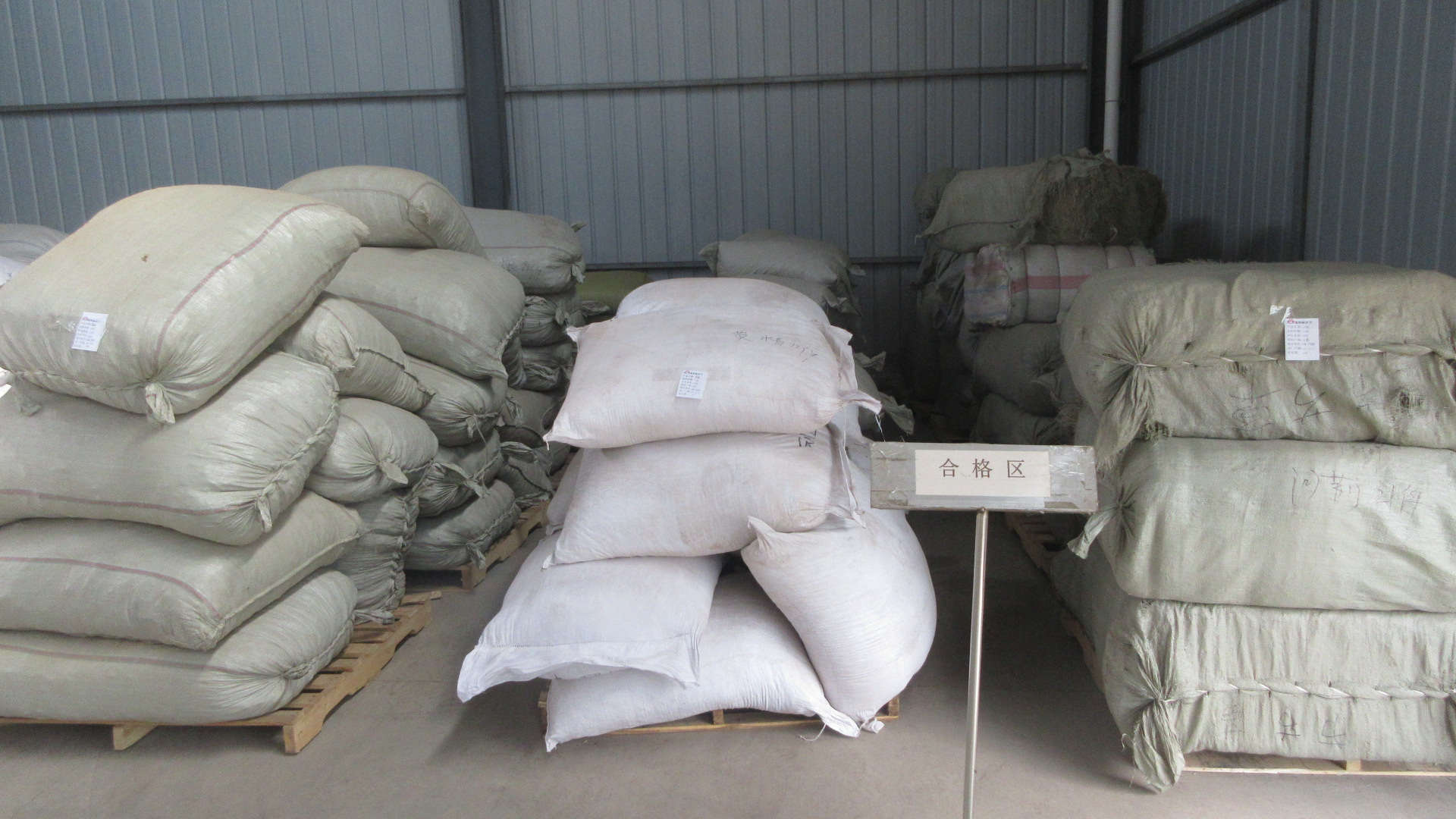
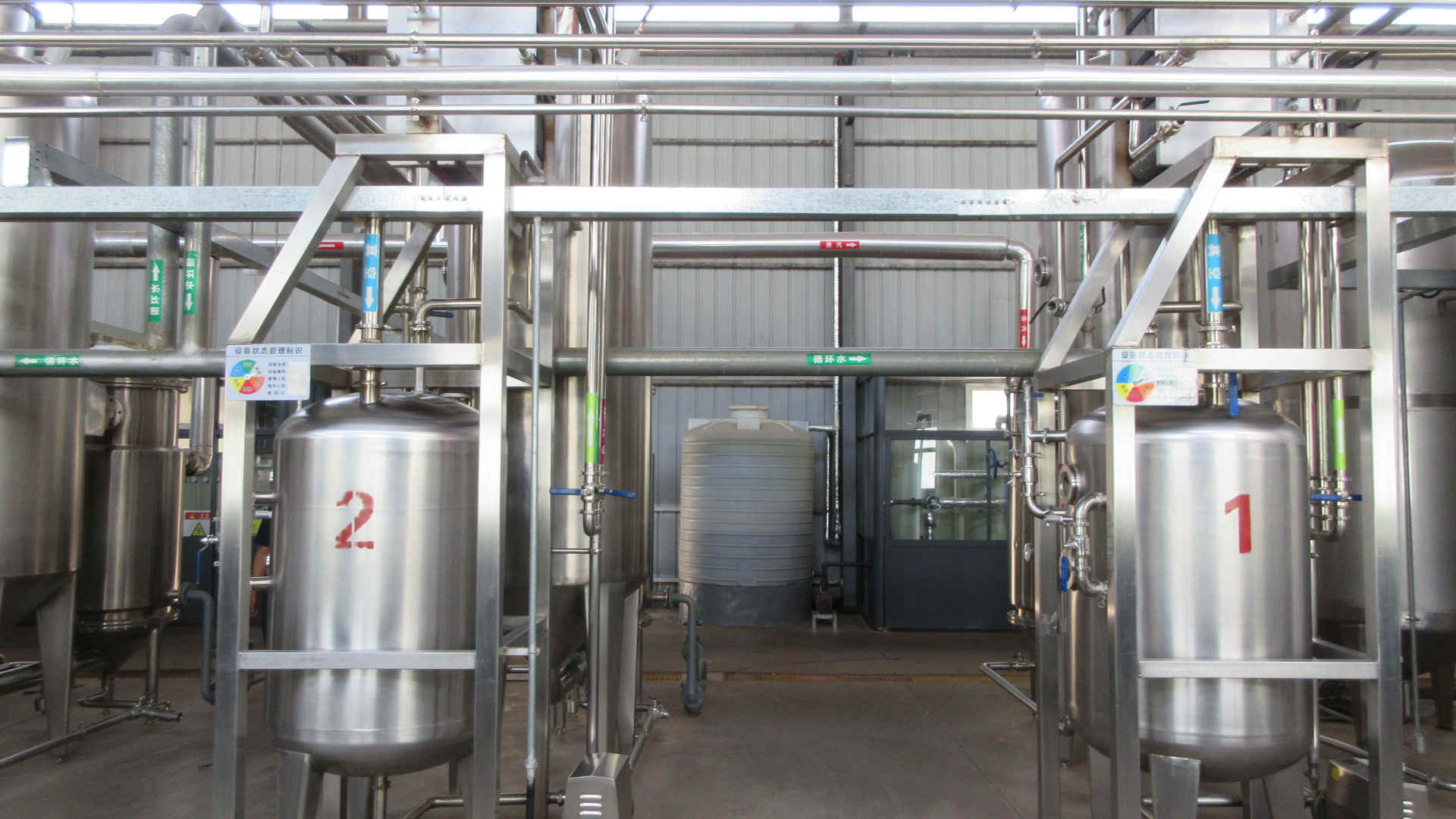
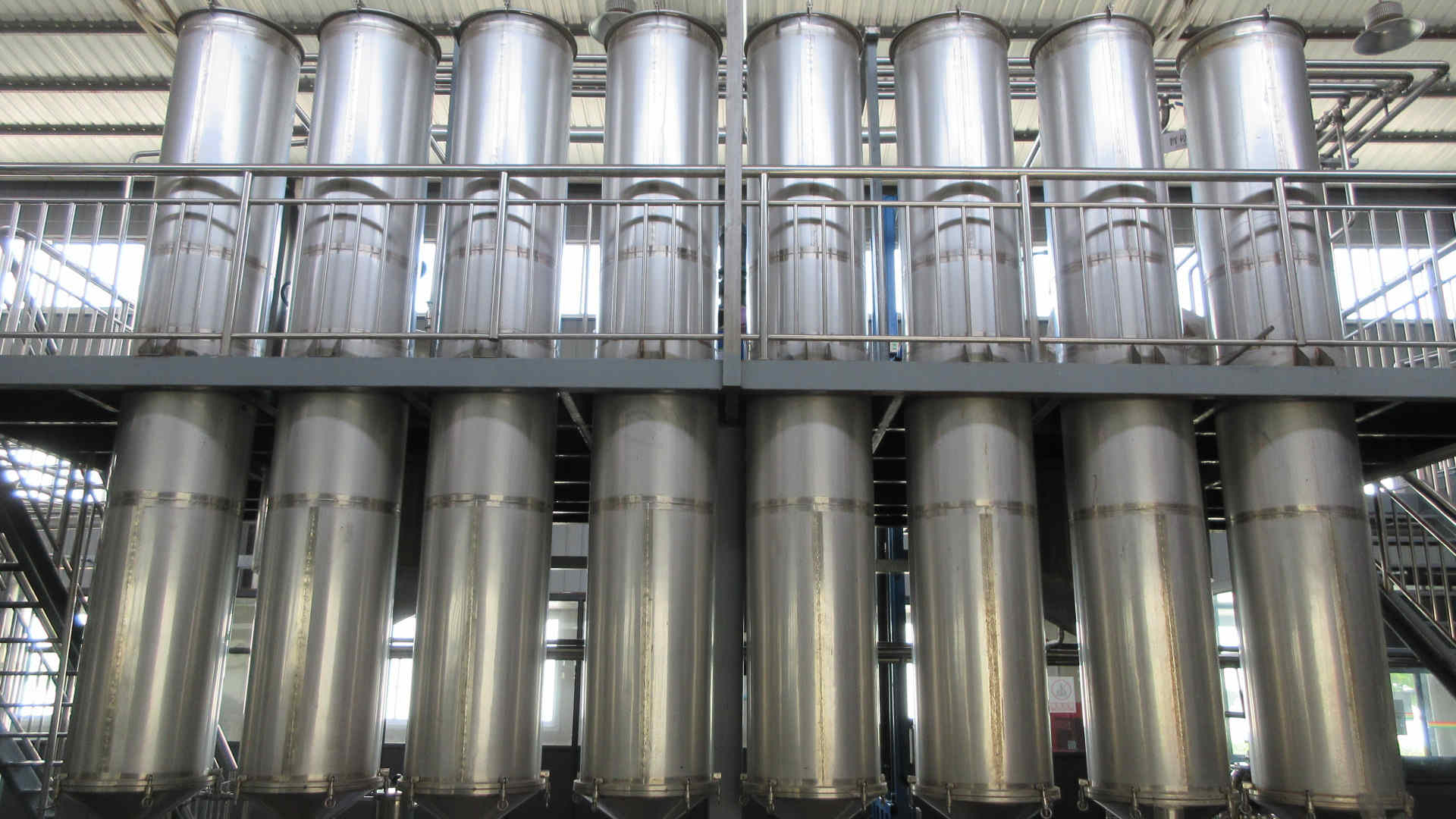
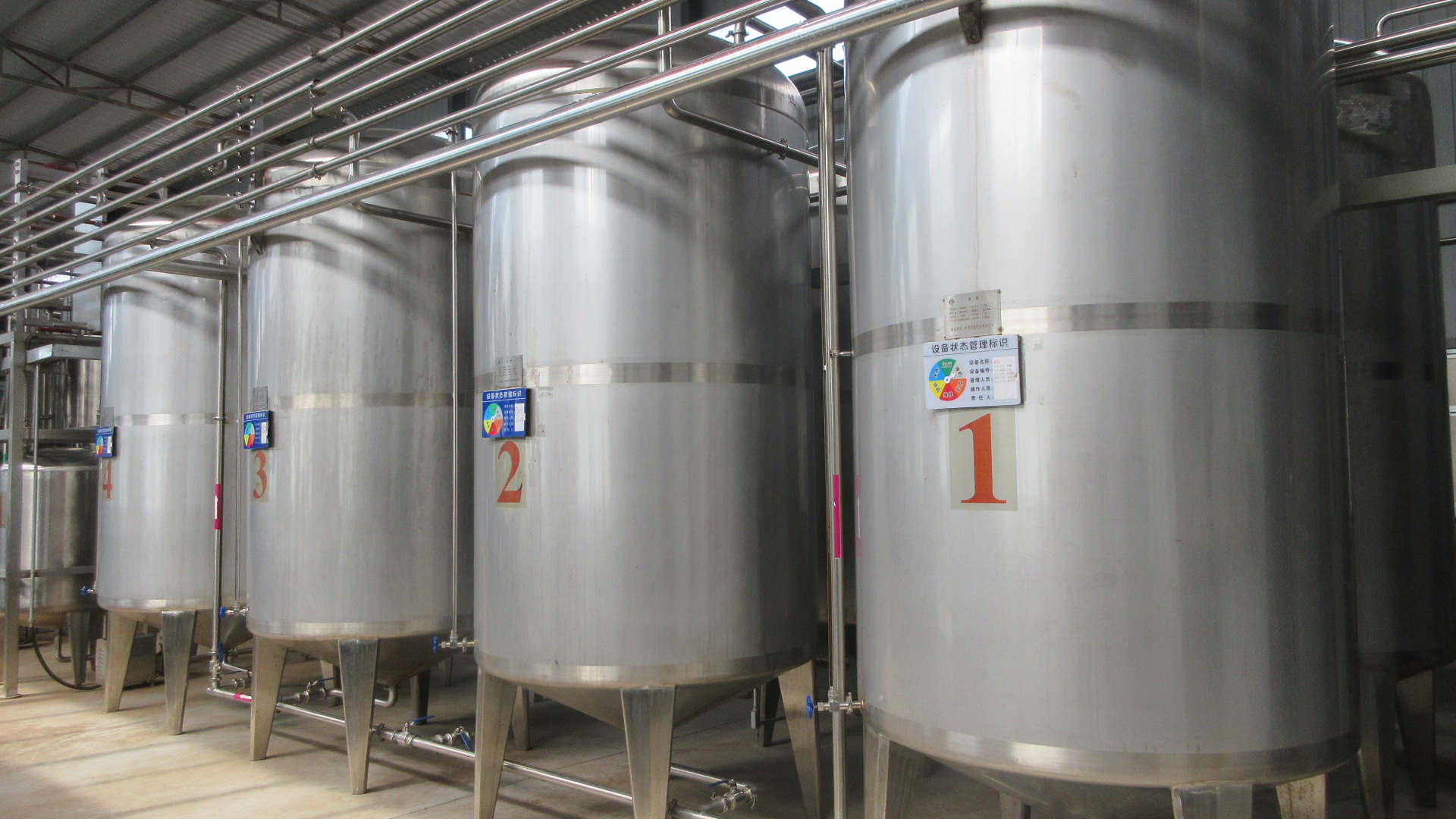
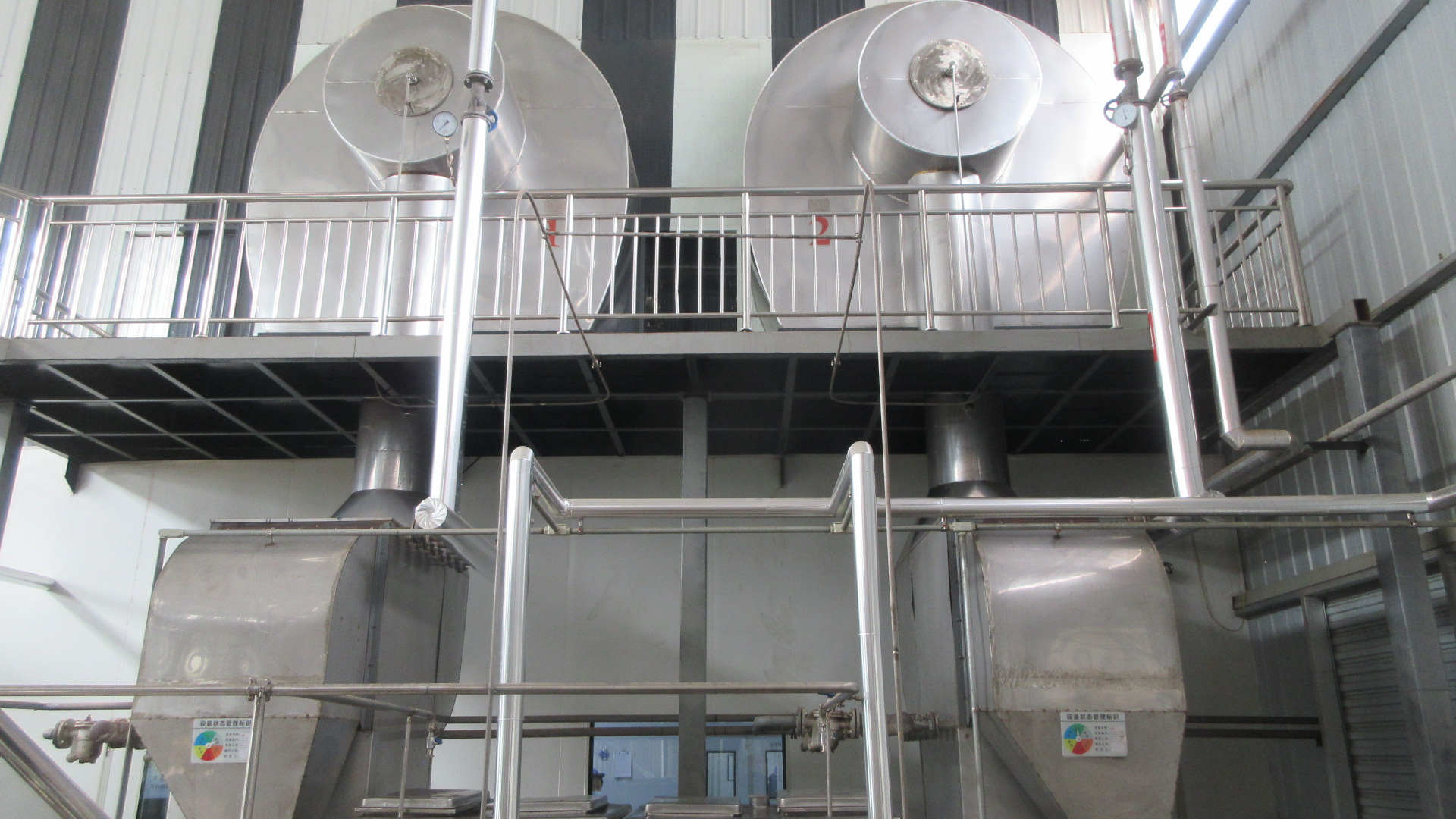
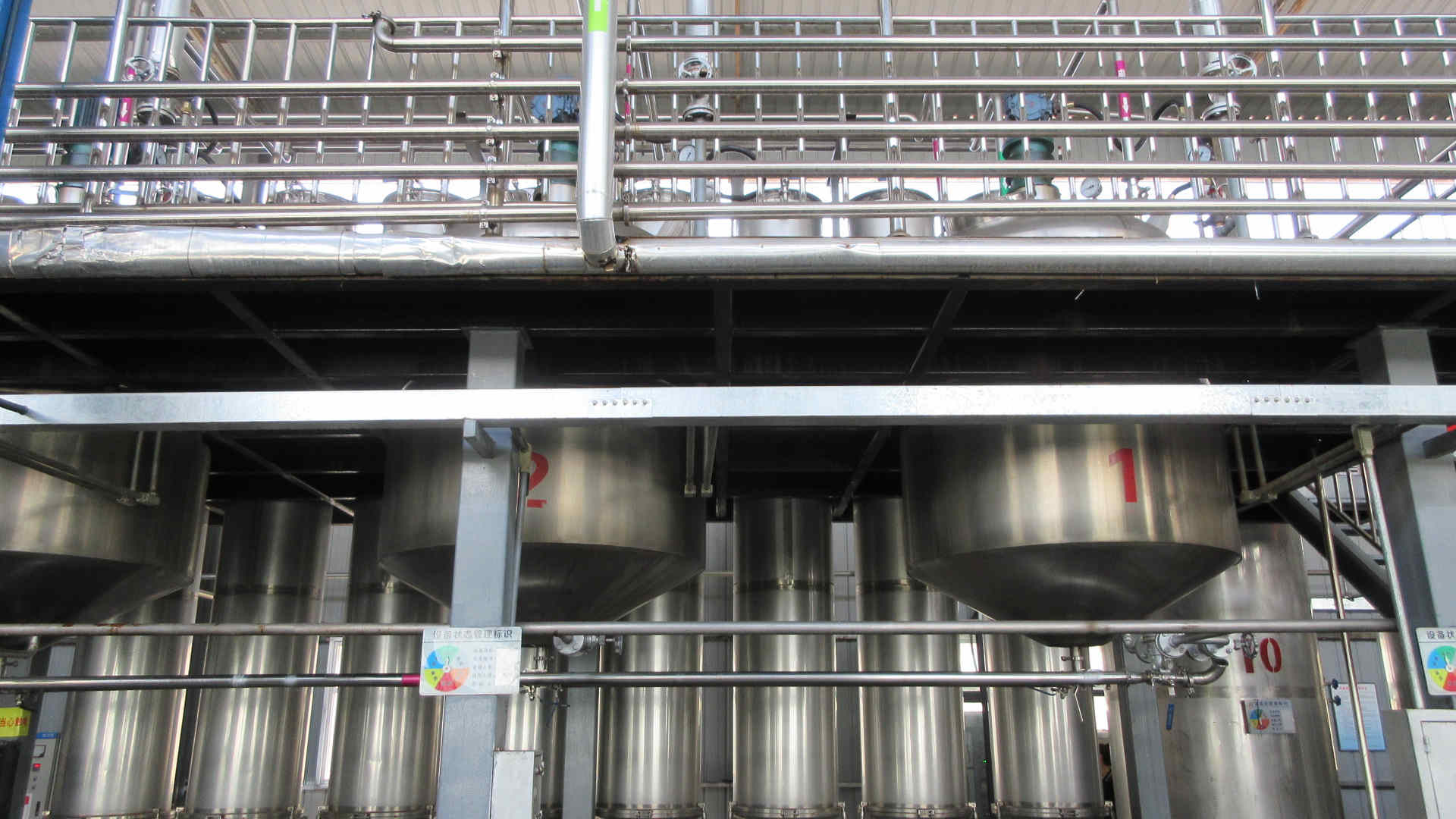
Step-by-step display of our pharmaceutical-grade extraction process, raw botanical sorting, concentration mechanics, and state-of-the-art storage units.
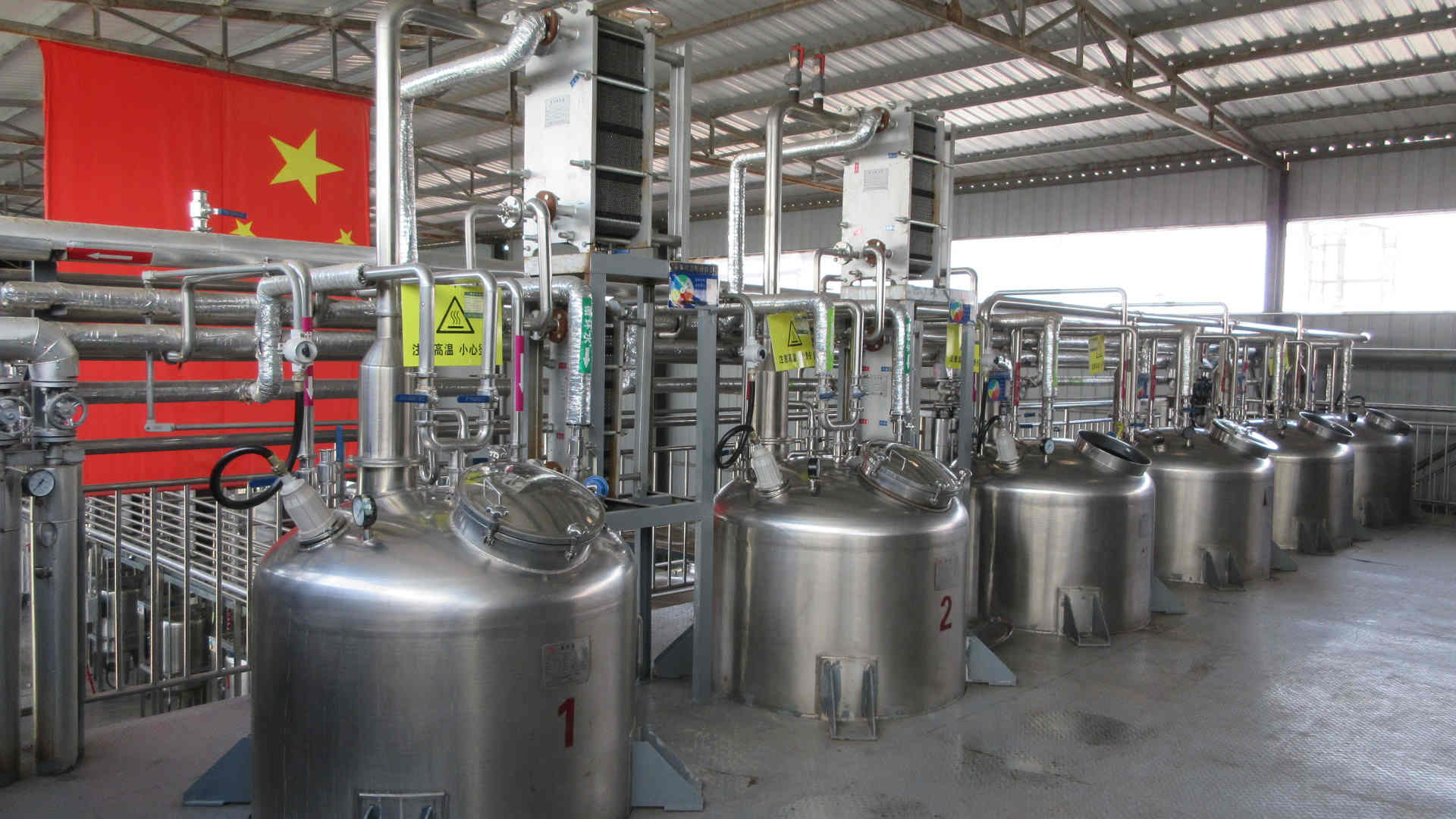
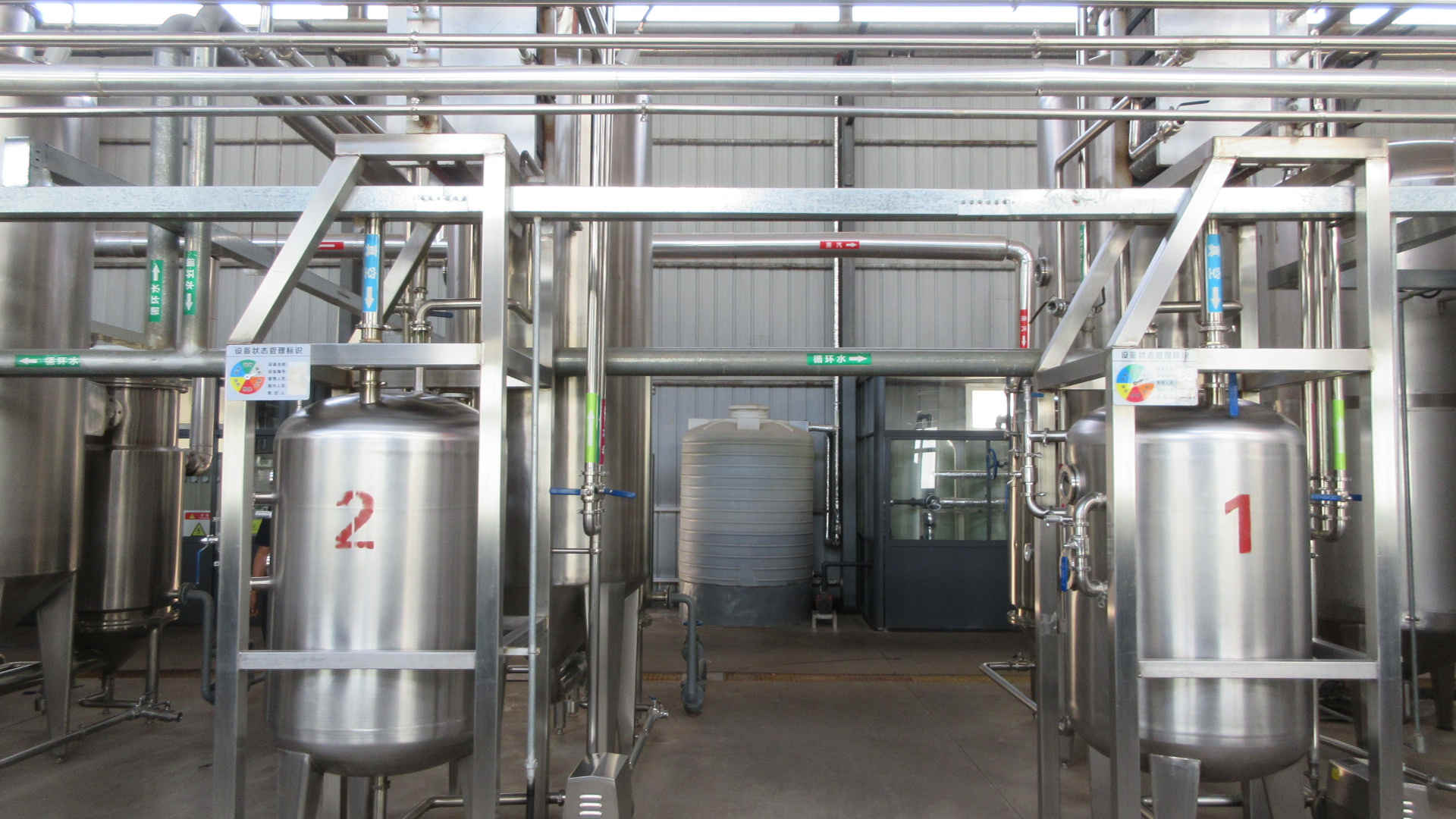
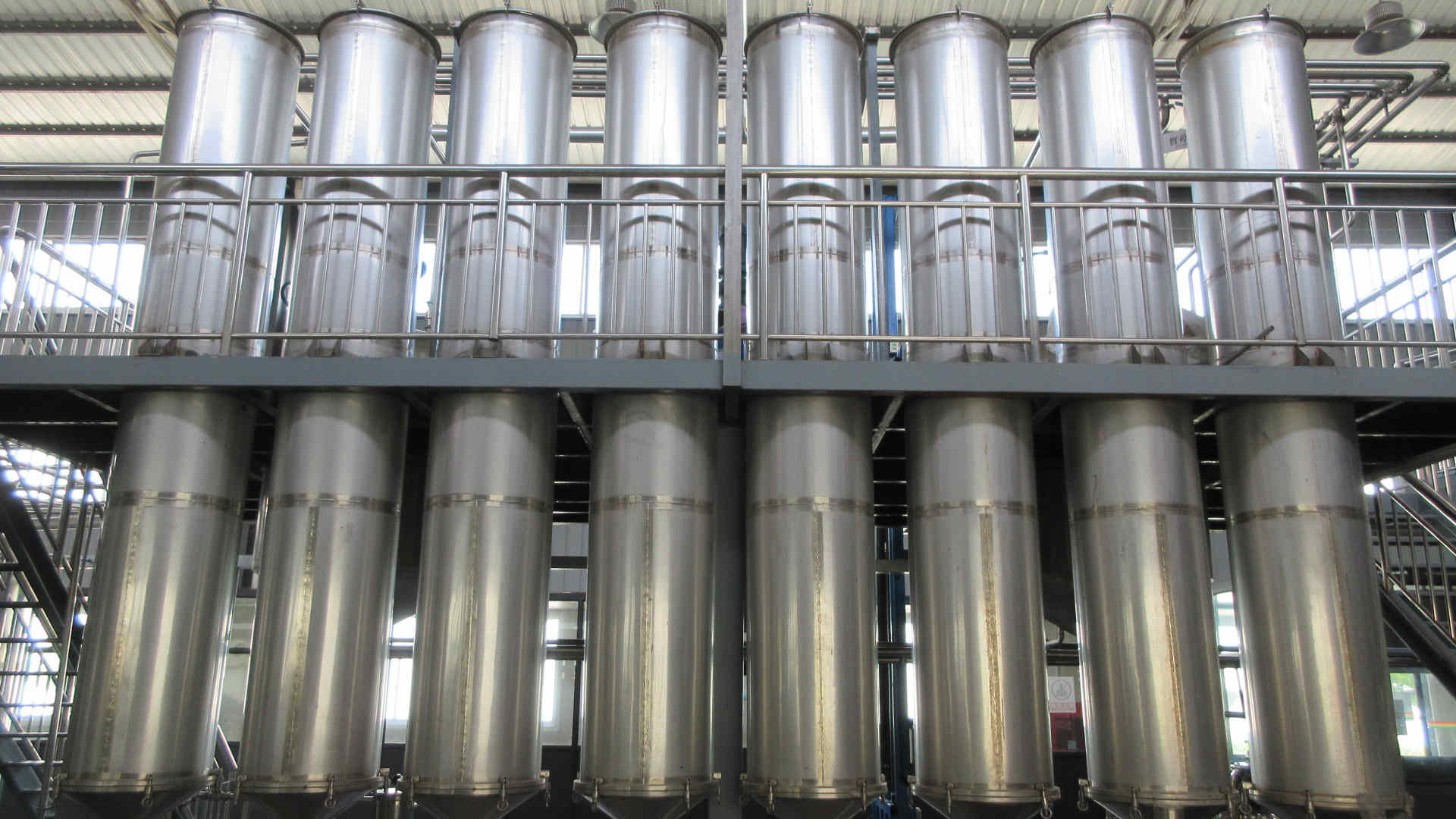
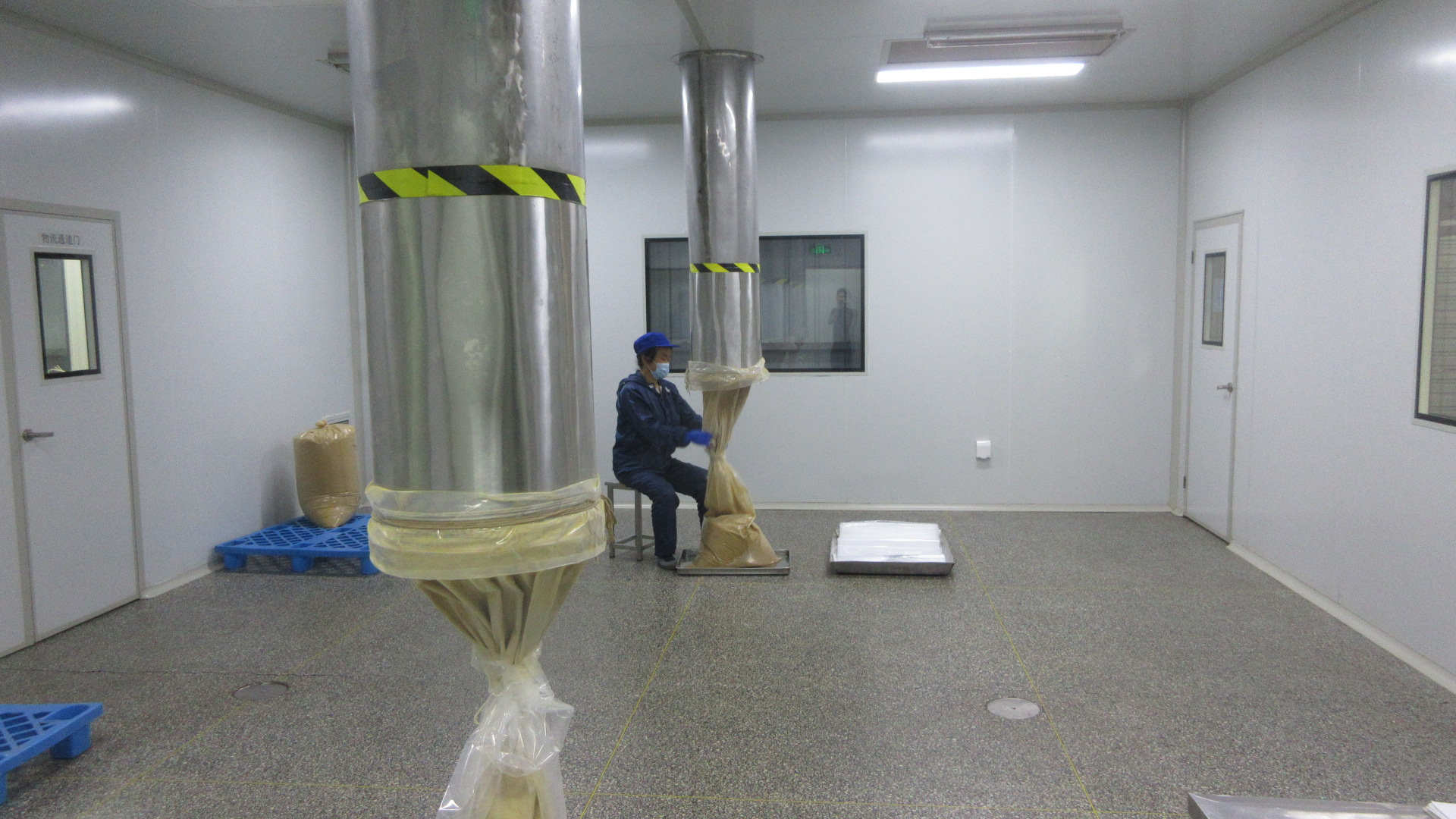
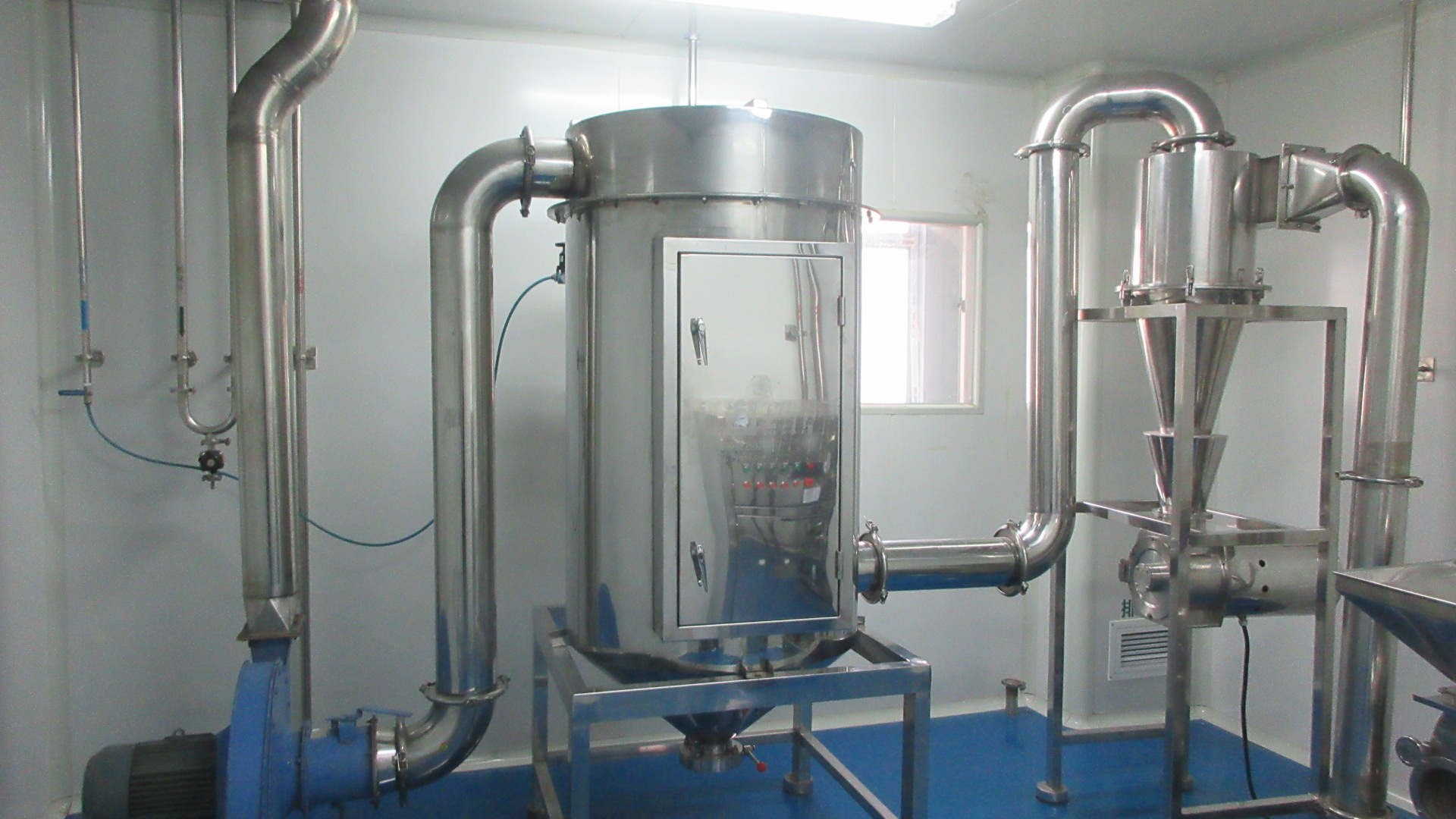
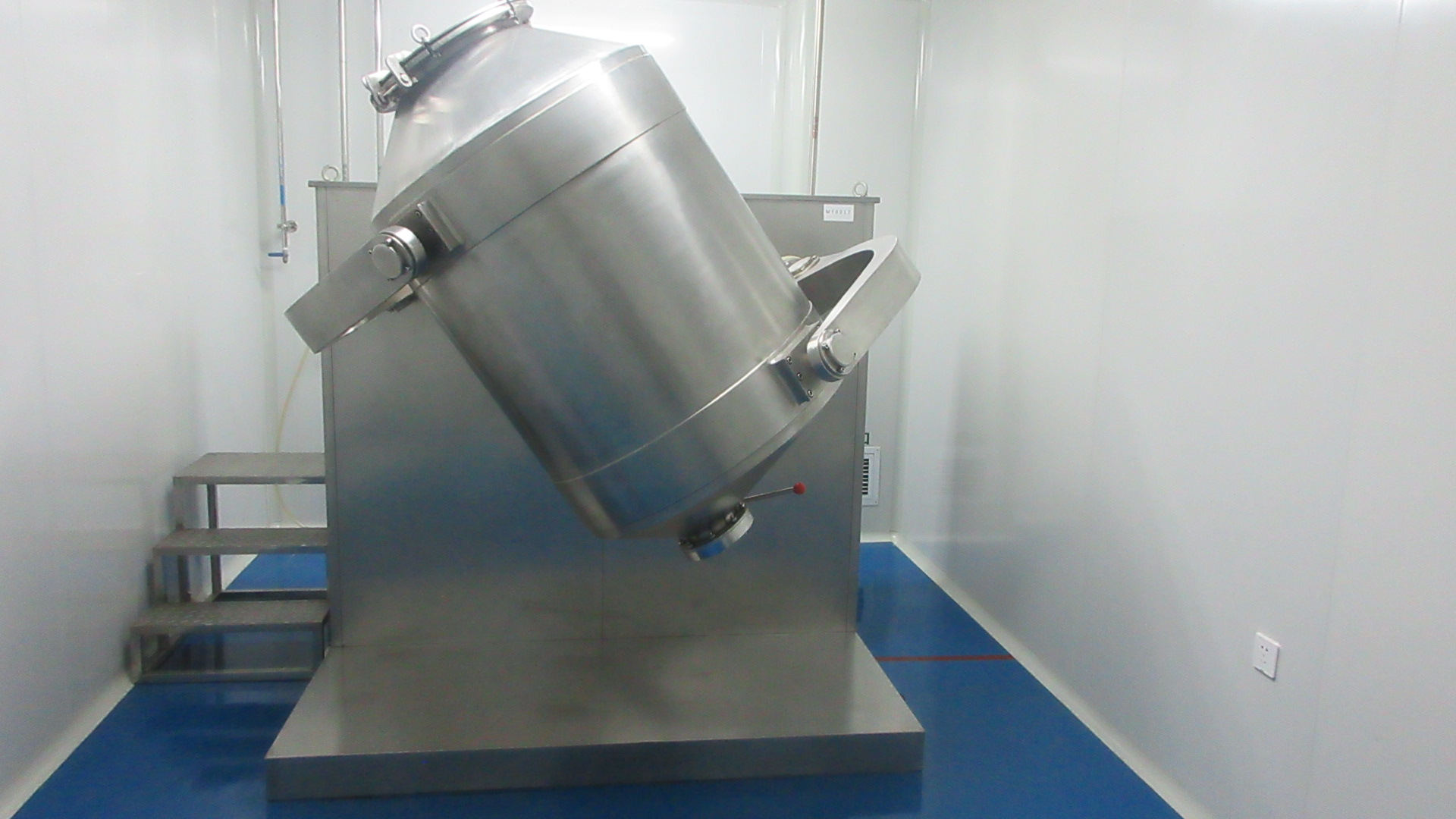
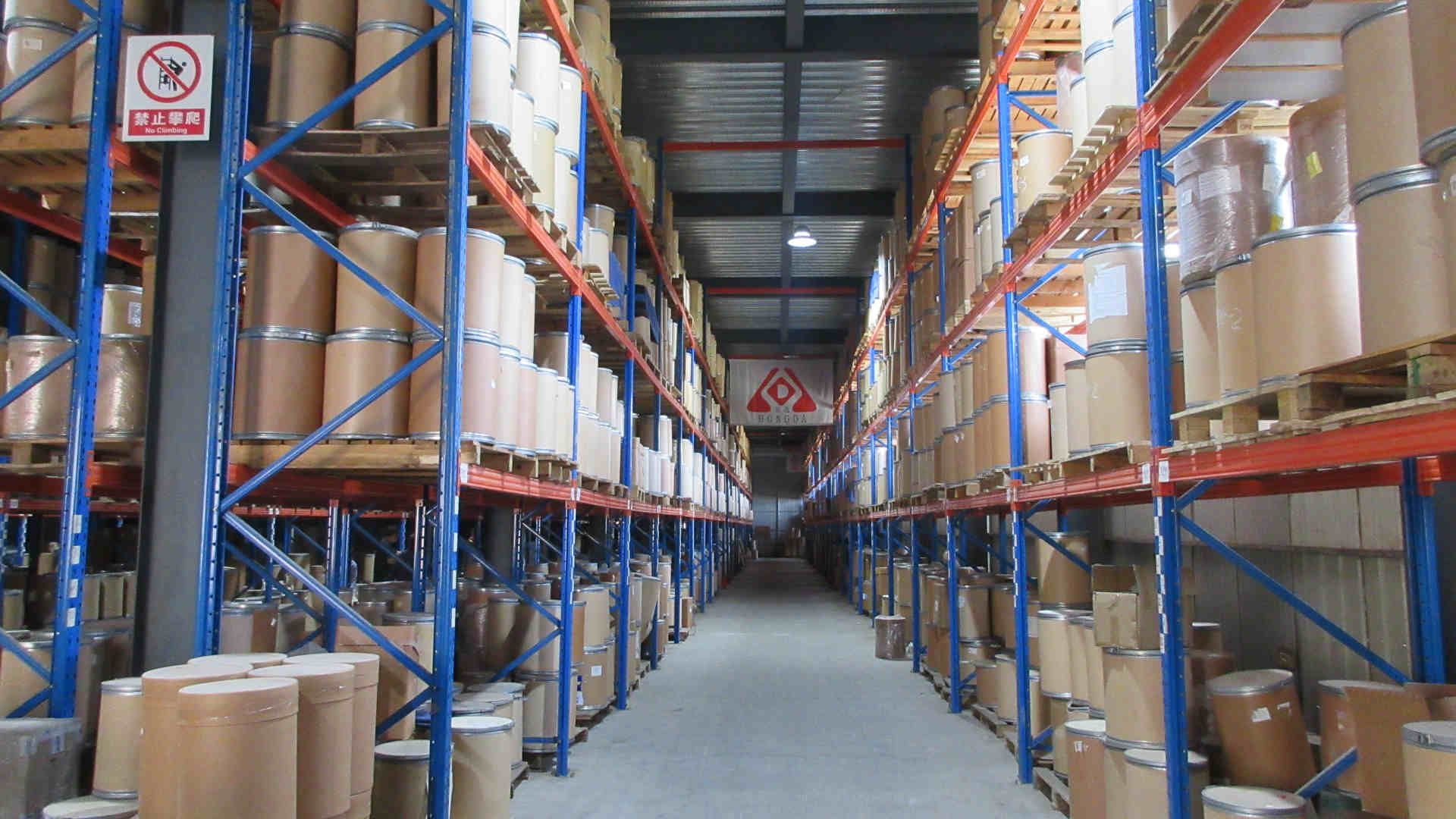
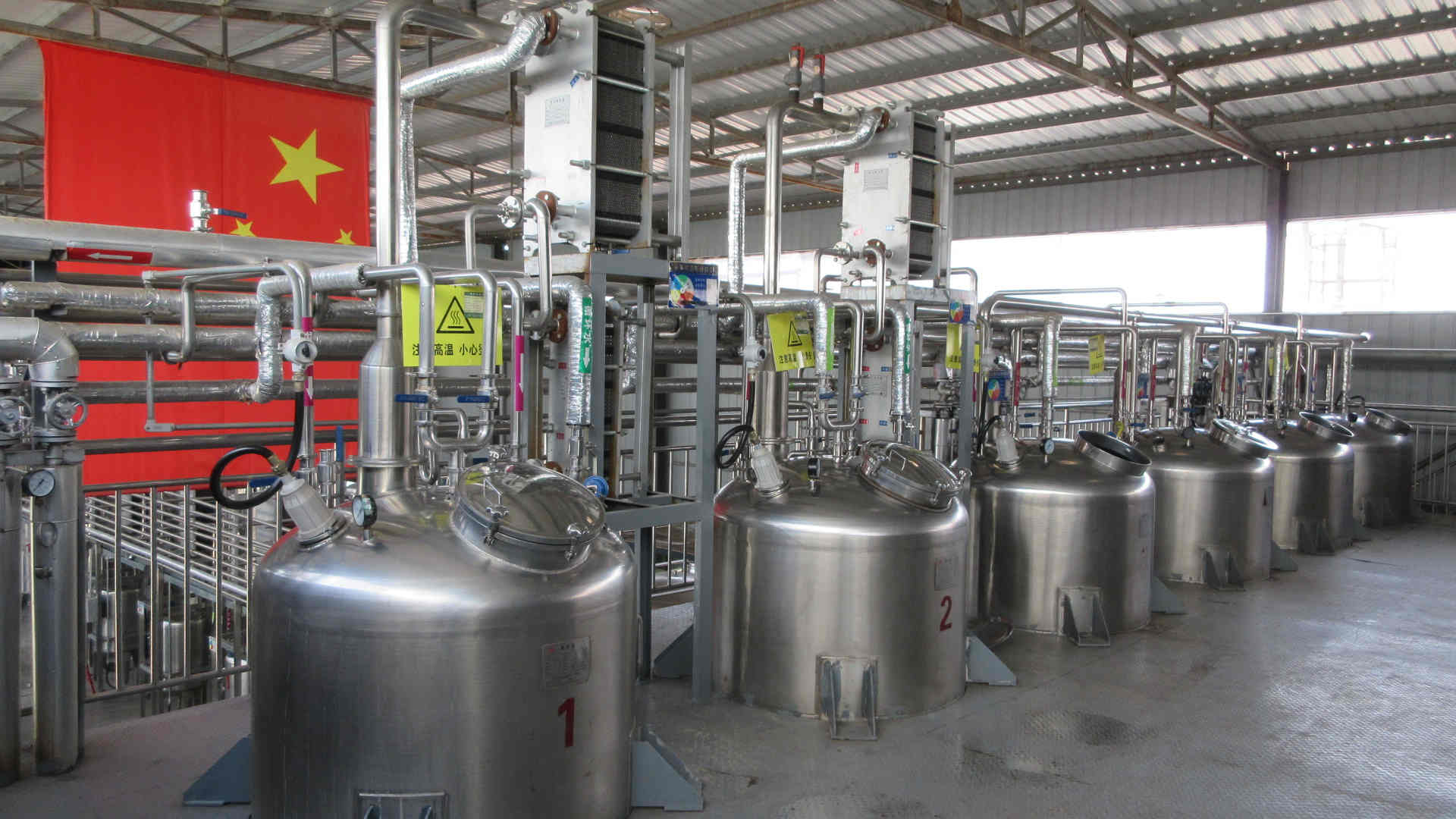
The global food, cosmetic, and pharmaceutical industries are experiencing a structural shift away from traditional synthetic antimicrobial additives. Regulatory agencies, including the European Food Safety Authority (EFSA) and the United States Food and Drug Administration (FDA), continue to tighten controls on synthetic chemical additives such as parabens, synthetic sulfites, benzoates, and formaldehyde donors. At the same time, consumers demand "clean label" formulations, challenging manufacturers to identify active plant extracts capable of preserving product integrity without altering organoleptic qualities.
In response, the market for plant-based antimicrobial compounds has grown rapidly. Extract manufacturers now rely on highly targeted phytochemical screening to isolate natural defense systems. These natural active ingredients—including polyphenols, organic acids, essential oil constituents, and antimicrobial peptides—help protect formulations from common bacteria, yeasts, and molds. By identifying and stabilizing these molecules, modern factories have turned botanical science into a scalable industrial solution.
Standard botanical extraction often degrades delicate bio-actives due to excess heat and harsh chemical solvents. Shaanxi Mirae Biology employs a strict technical roadmap designed to protect these active components:
These technologies allow factories to regulate active concentrations, providing industrial buyers with predictable antimicrobial values (such as minimum inhibitory concentrations, or MIC) across every batch.
Technical Insight: Preserving bio-actives at low processing temperatures is key to maintaining their antimicrobial properties. Modern factories rely on close control over pressure, temperature, and column flow rates to ensure high product quality and efficiency.
Natural preservatives are rarely used as drop-in, one-size-fits-all substitutes. They must be formulated to match the specific characteristics of the target medium:
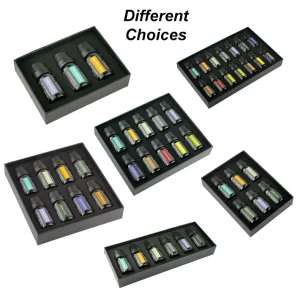
Cosmetics & Personal Care: In formulations with high water content, like facial creams or wet wipes, preservatives must withstand fungal and bacterial contamination without irritating the skin. Combining organic acids with mild essential oils (such as tea tree, peppermint, or jasmine extracts) creates a balanced barrier against pathogens while keeping the formula gentle.
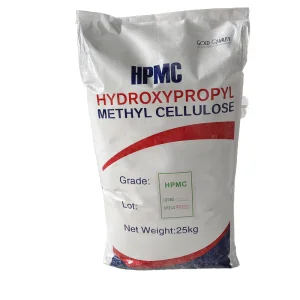
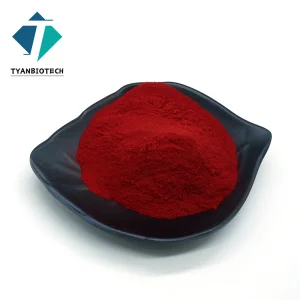
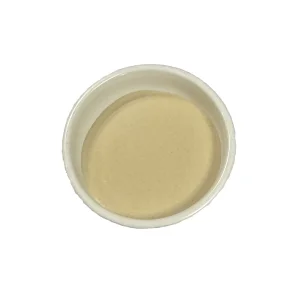
Food & Beverage: In food applications, preservatives must prevent microbial growth without changing the color, smell, or taste of the final product. For example, natural plant pigments like sorghum red provide both vibrant color and natural antioxidant protection, shielding lipids from oxidation. Plant-derived thickeners and amino acids can also improve texture and stability in dairy, baked goods, and functional supplements.
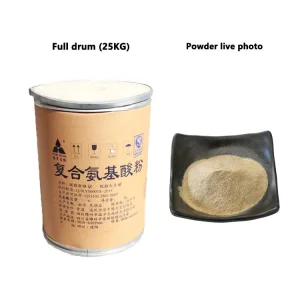
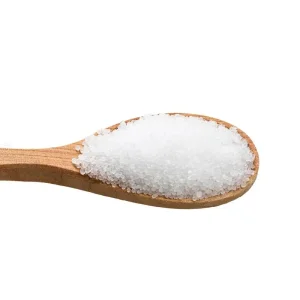
Agricultural & Industrial Systems: In agricultural applications, organic, plant-derived amino acids (such as Veg 80) improve soil biology and strengthen crops naturally. These plant-derived compounds act as bio-stimulants, reducing reliance on synthetic alternatives.
Shaanxi Province is a key center for the botanical extraction industry. The Qinling Mountains contain thousands of medicinal herb species, providing a direct supply of raw materials. This local availability protects manufacturing plants from external supply chain disruptions and reduces transportation costs.
This regional cluster also brings together key engineering companies, testing facilities, and academic researchers. These resources support continuous process optimization and raw material verification. Working closely with modern transport hubs in Xi'an, factories in the area can quickly export products to major markets in North America, Europe, and Southeast Asia.
Global trade requires strict adherence to international safety and quality standards. Shaanxi Mirae Biology ensures compliance through a systematic testing program at every stage of production:
Expert answers regarding Minimum Inhibitory Concentration (MIC), formula stability, thermal processing, and regional regulatory compliance.
Many synthetic preservatives target microbial growth via single, simple pathways. In contrast, natural botanical extracts often contain complex mixtures of active compounds (such as polyphenols, organic acids, and terpenoids) that target microbial membranes via multiple, simultaneous mechanisms. To achieve broad-spectrum efficacy across varying pH levels, manufacturers often combine different botanical extracts to cover Gram-negative bacteria, Gram-positive bacteria, yeasts, and molds.
Natural ingredients can vary due to seasonal weather and soil conditions. To ensure batch-to-batch consistency, we standardize our extracts to specific levels of active compounds (using HPLC and UV-Vis spectrophotometry). If a raw harvest shows lower active concentrations, we adjust our extraction and purification settings (such as resin adsorption times and column flow rates) to meet the exact specifications listed on the Certificate of Analysis (COA).
Thermal stability varies depending on the active molecules. For example, flavonoids and organic acids are generally stable during standard heating processes, while volatile terpenes and delicate peptides are more sensitive to high temperatures. We work closely with our clients to recommend the best time to add these compounds during production, or suggest encapsulation methods to protect sensitive ingredients from heat degradation.
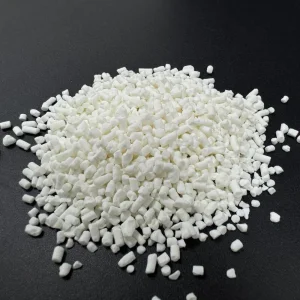
Stabilizing emulsions requires keeping water and oil phases well-dispersed. Plant-derived thickeners like Pullulan create a flexible, protective matrix that reduces droplet movement, preventing separation. Adding organic amino acids helps stabilize pH, which prevents changes in charge that could otherwise degrade the preservative system and compromise the product's shelf life.
We provide a complete set of export documentation for all international shipments. This includes the Certificate of Analysis (COA) detailing active concentrations, heavy metal limits, and microbiological test results, along with Safety Data Sheets (SDS), detailed process flowcharts, non-GMO declarations, and allergen statements. When required, we also provide BSE/TSE-free certificates to ensure smooth customs clearance.
Complete product portfolio including high-viability probiotics, plant-derived amino acids, specialty polymers, and industrial protective additives.
 Mirae Biology