In Canada's extreme climatic variations—ranging from freezing sub-zero winters in Alberta to humid summers in southern Ontario—materials undergo intense thermal stress. This degradation is accelerated during high-temperature extrusion processing in packaging, automotive compounding, and heavy oil extraction machinery. Local plastics manufacturers, lubricant compounders, and food processing plants are increasingly turning to specialized antioxidant additives to prevent thermo-oxidative degradation.
Canada's stringent environmental regulations under the Canadian Environmental Protection Act (CEPA) place strict boundaries on the chemical compositions allowed in domestic manufacturing. Whether formulating polyolefins for gas pipelines, stabilization packages for wind turbine gearboxes, or preservative agents for food-contact packaging, local operations require manufacturers who understand local compliance frameworks (including Health Canada and CFIA guidelines) while offering direct-from-factory pricing and customized technical delivery.
Global chemical markets are facing pricing volatility driven by energy fluctuations and maritime logistics bottlenecks. Crucial precursors for primary hindered phenolic antioxidants (such as AO 1010 and AO 1076) and phosphite-based secondary stabilizers depend heavily on advanced petrochemical hubs. For Canadian industries located far from major extraction sites, maintaining a reliable supply chain requires partners with strategic stockpiles, direct manufacturing pipelines, and highly optimized synthesis pathways.
In Western Canada, the extraction of oil sands and natural gas requires heavy machinery working under extreme friction and high temperatures. Lubricant formulations require heavy dosages of Aminic and Phenolic antioxidants along with Zinc Dithiophosphates (ZDDP) to prevent varnish and sludge build-up. In Eastern Canada, particularly around the manufacturing hubs of Ontario and Quebec, the automotive and packaging industries require non-discoloring, UV-stable polymer additives that meet strict mechanical durability tests.
Information Gain Insight: Selecting the correct antioxidant additive is not just about chemical purity; it is about finding the optimal synergistic ratio. The combination of a primary antioxidant (radical scavenger) and a secondary antioxidant (hydroperoxide decomposer) can increase the service life of polymers exposed to harsh Canadian outdoor conditions by up to 300%.
To achieve effective polymer preservation and chemical stabilization, it is vital to understand the degradation cascade of macromolecules. When exposed to heat, mechanical shear, or light, carbon-carbon bonds break, generating highly reactive free radicals.
Hindered Phenols & Aromatic Amines: These additives actively donate hydrogen atoms to neutralize alkoxy (RO•) and alkylperoxy (ROO•) radicals. This process arrests the chain propagation step of polymer degradation. Hindered phenols like Antioxidant 1010 and 1076 are widely used in plastics and adhesives, providing long-term thermal stability during both processing and end-use lifespans.
Trivalent Phosphites & Thioesters: Instead of scavenging radicals, secondary stabilizers target hydroperoxides (ROOH), decomposing them into stable, non-reactive alcohols. Phosphite stabilizers (such as Poly phenyl phosphite derivatives) protect the polymer melt during high-shear compounding operations. Thioesters (like Amino Thioester T323) offer excellent synergy with hindered phenols, providing superior thermal protection over long storage cycles.
Our diverse antioxidant range is carefully designed to meet the processing challenges of specific Canadian industrial, commercial, and resource sectors.
In heavy transport and mining machinery working across northern territories, lubricant performance is critical. Additives like ZDDP and Amino Thioesters (T323) provide dual benefits: acting as extreme pressure wear-preventers while neutralizing acidic oxidation byproducts in crankcases, thereby extending machinery oil-change intervals.
Canada's major agricultural exports require long-term storage and stable packaging materials. Food-grade preservatives like BHA (Butylated Hydroxyanisole) and Gallic Acid protect oils, animal fats, and dry ingredients from rancidity. Simultaneously, plastic additives prevent the breakdown of thin food wraps and shipping pallets under heavy UV exposure.
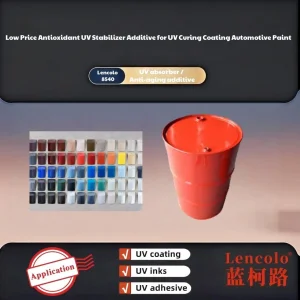
Bridges, transport hubs, and high-rise facades in major metropolitan centers face continuous weathering. High-performance UV coating stabilizers (such as Lencolo 8540) combined with custom light stabilizers prevent yellowing, cracking, and loss of adhesion in exterior wood and metal finishes.
Standard glycol-based cooling and heat exchange fluids can degrade rapidly under thermal cycling, creating corrosive environments. Synthetic blends containing Benzotriazole (BTA) provide excellent multi-metal passivation, protecting aluminum, copper, and iron components from rust and acid buildup in extreme sub-zero systems.
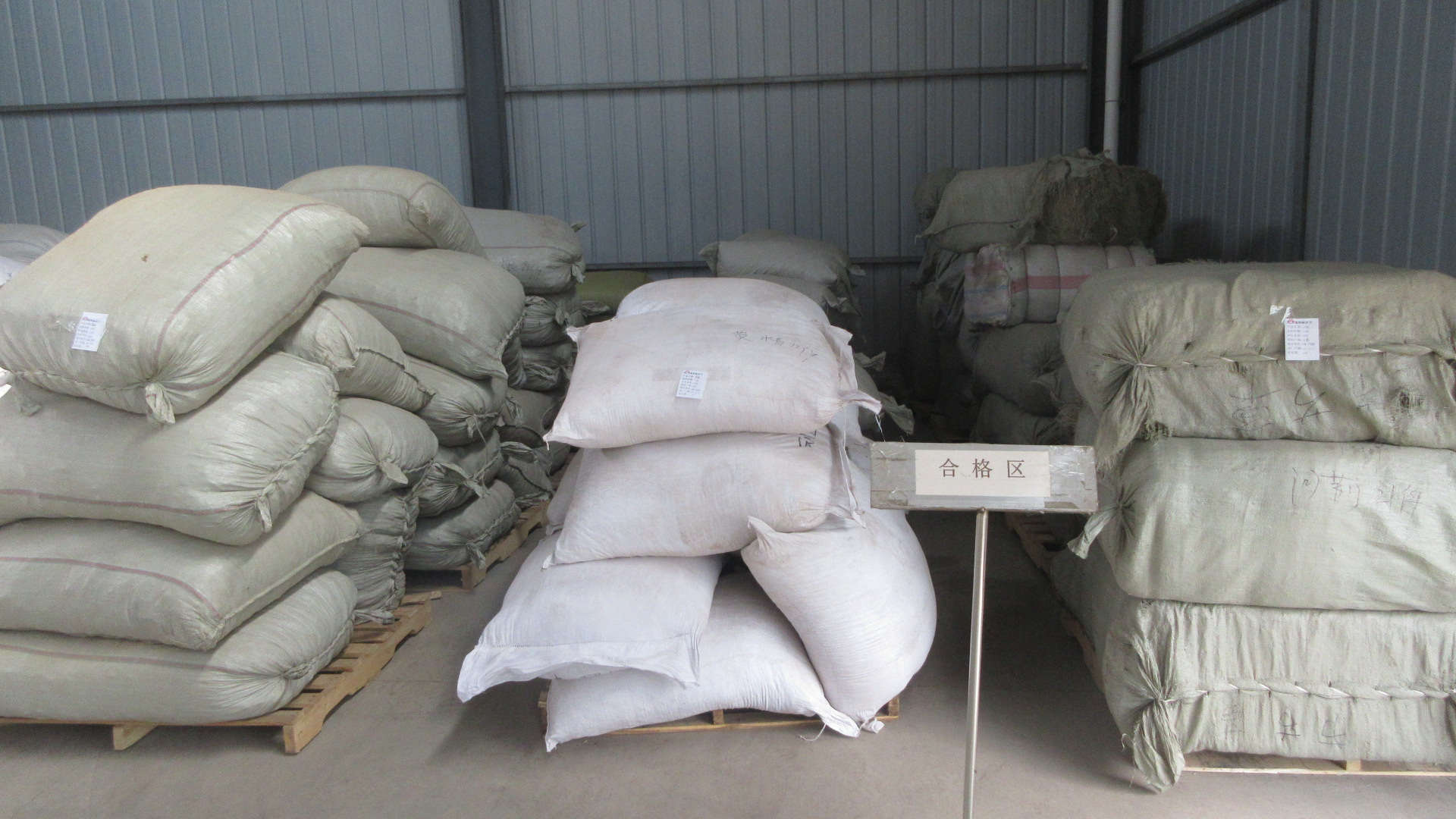
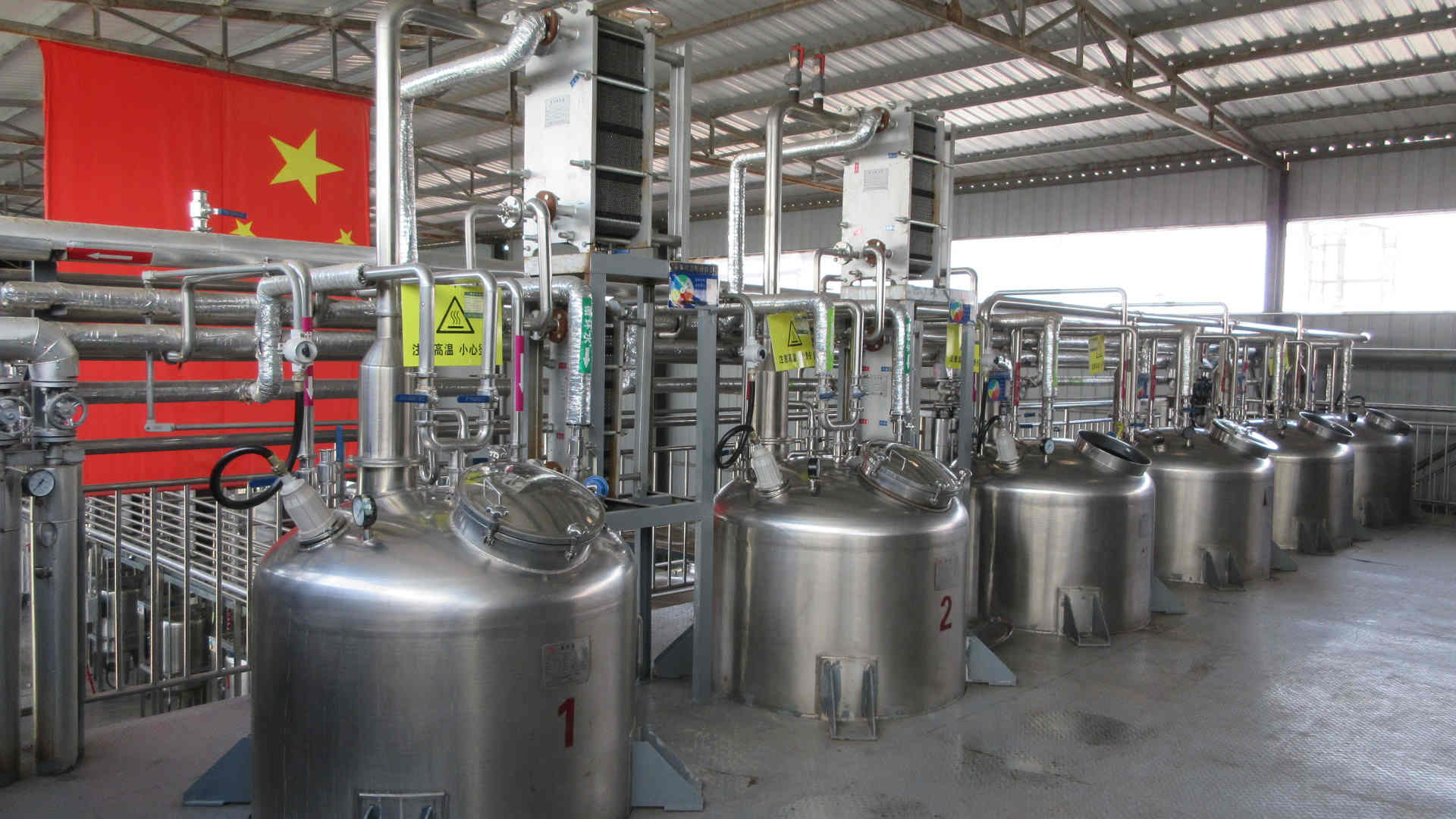
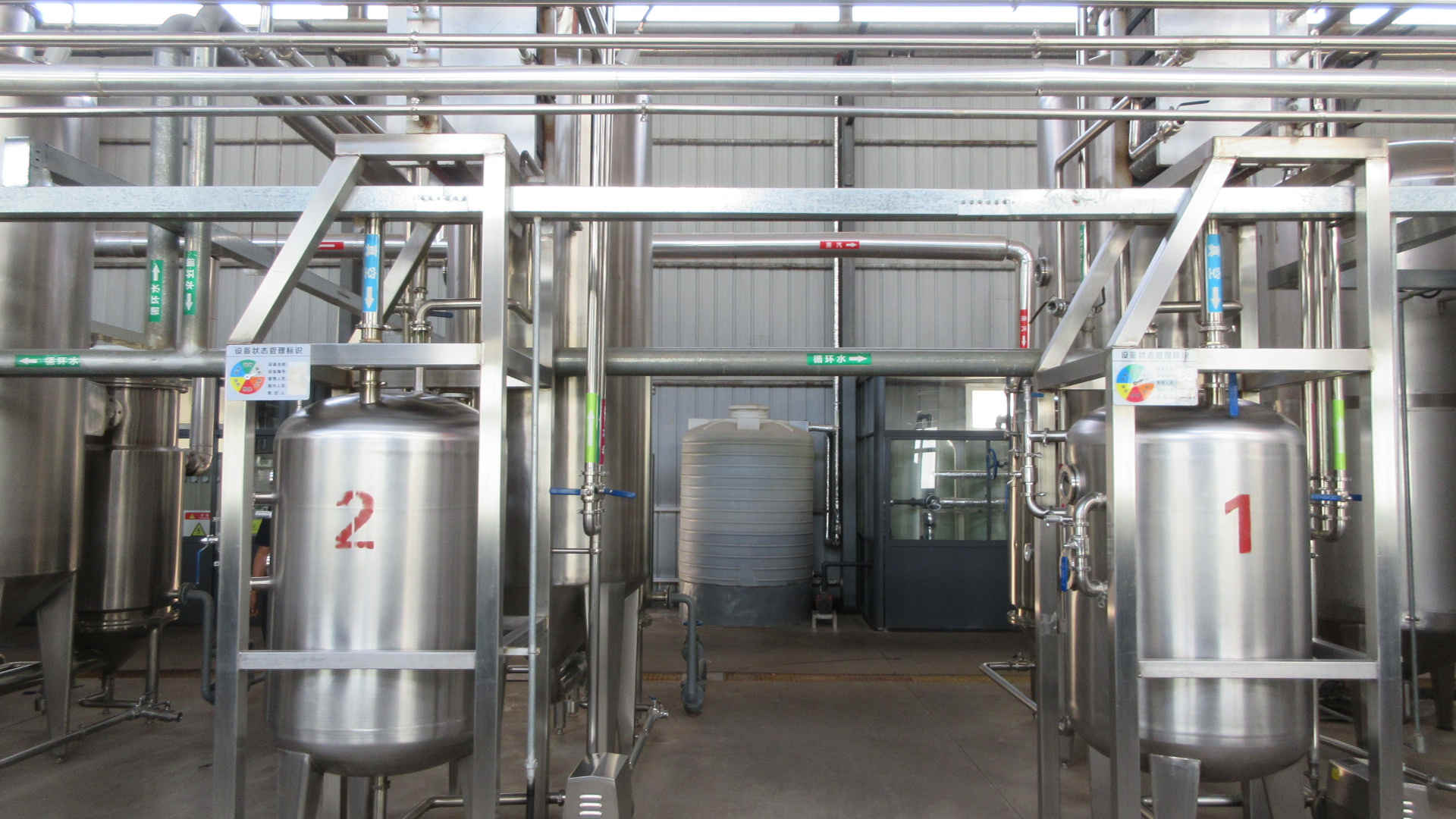
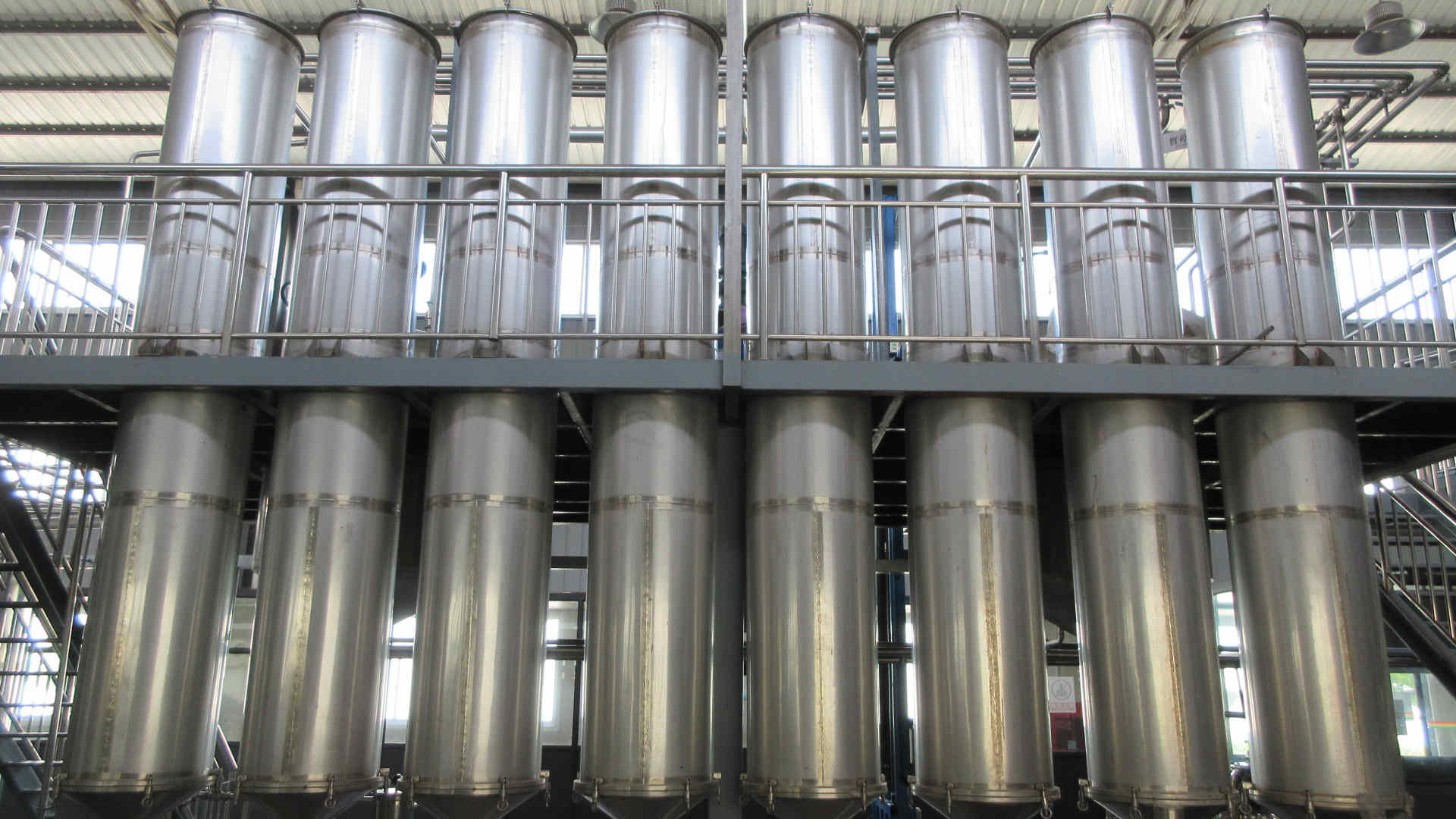
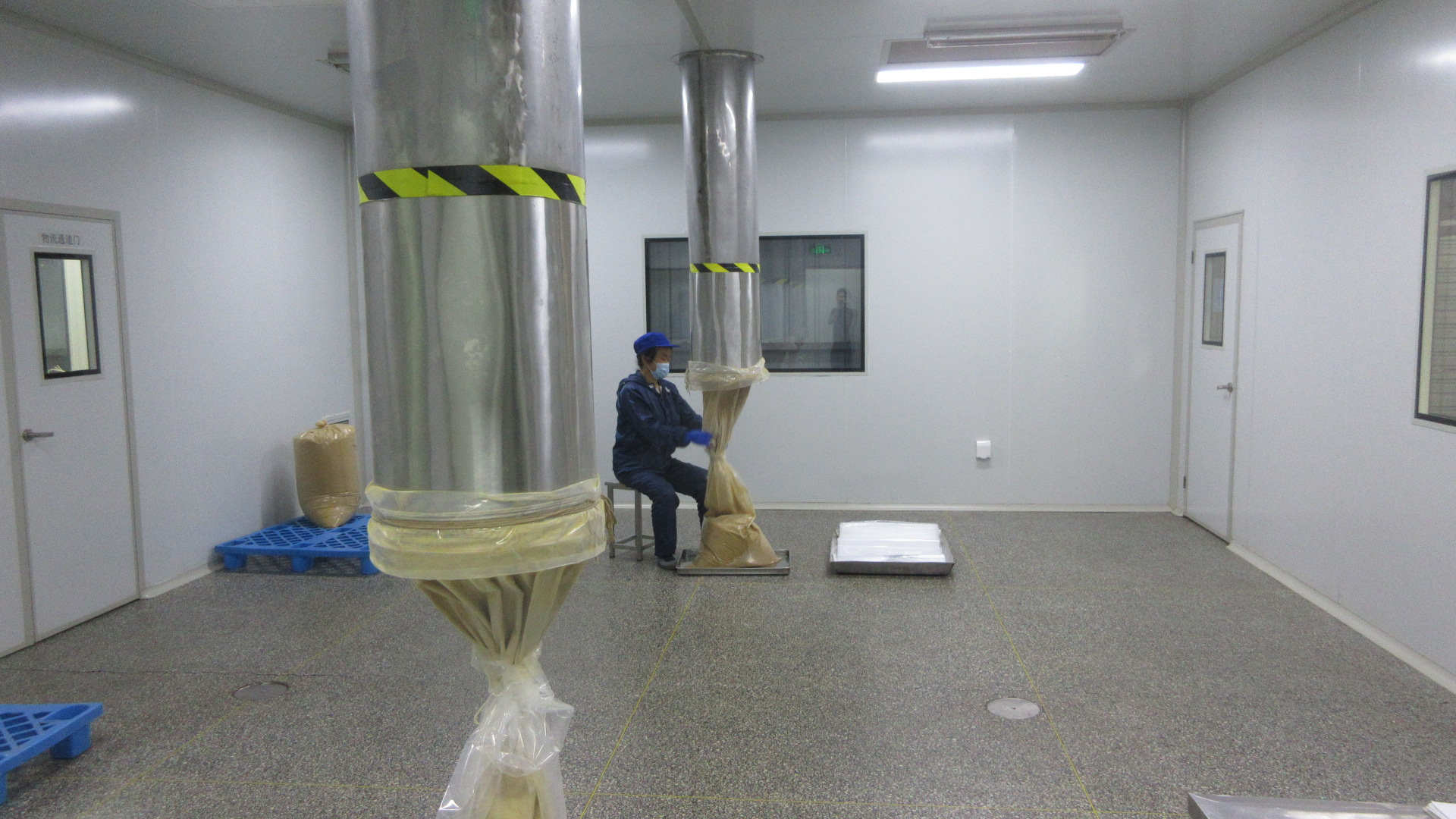
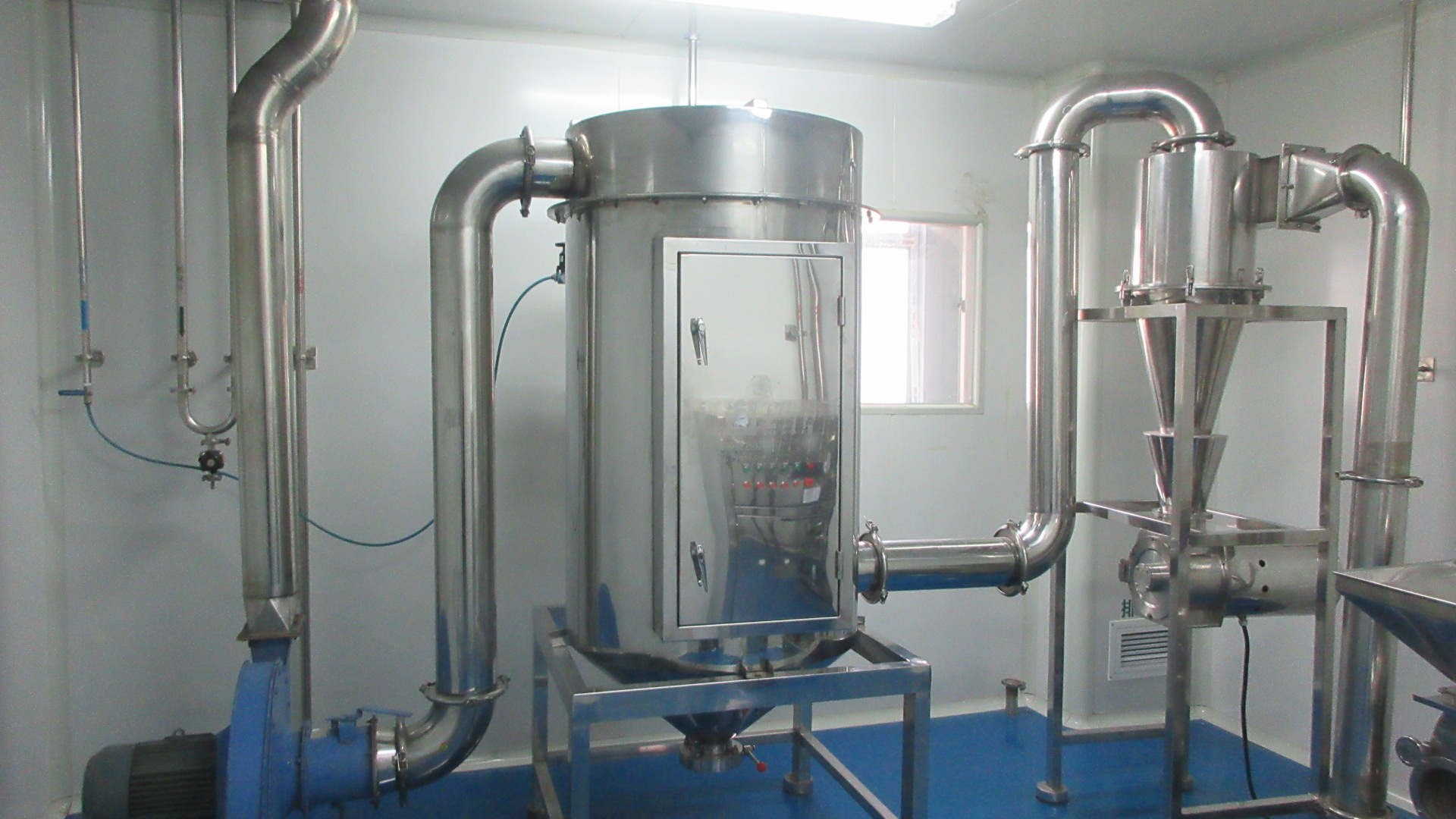
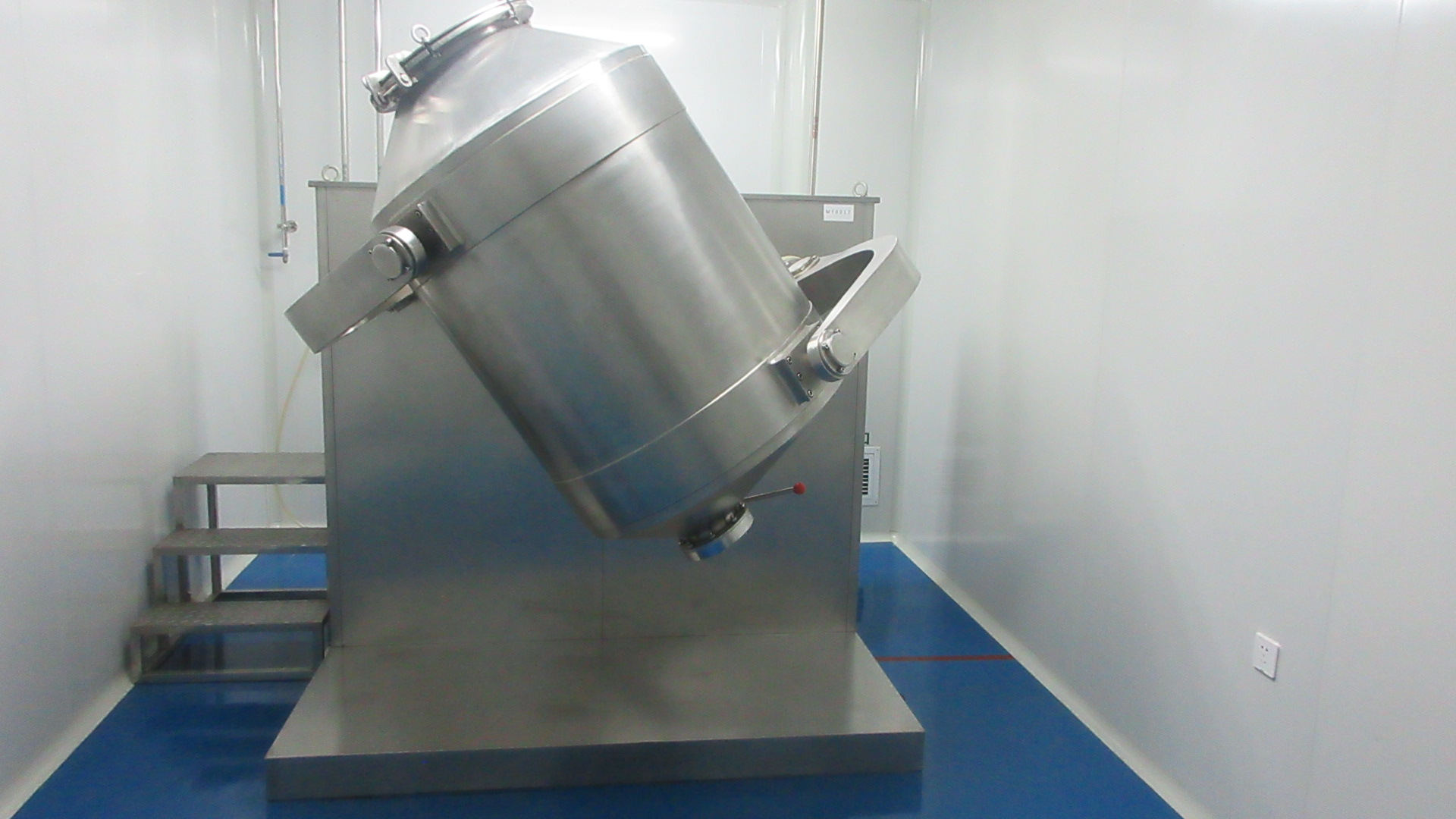
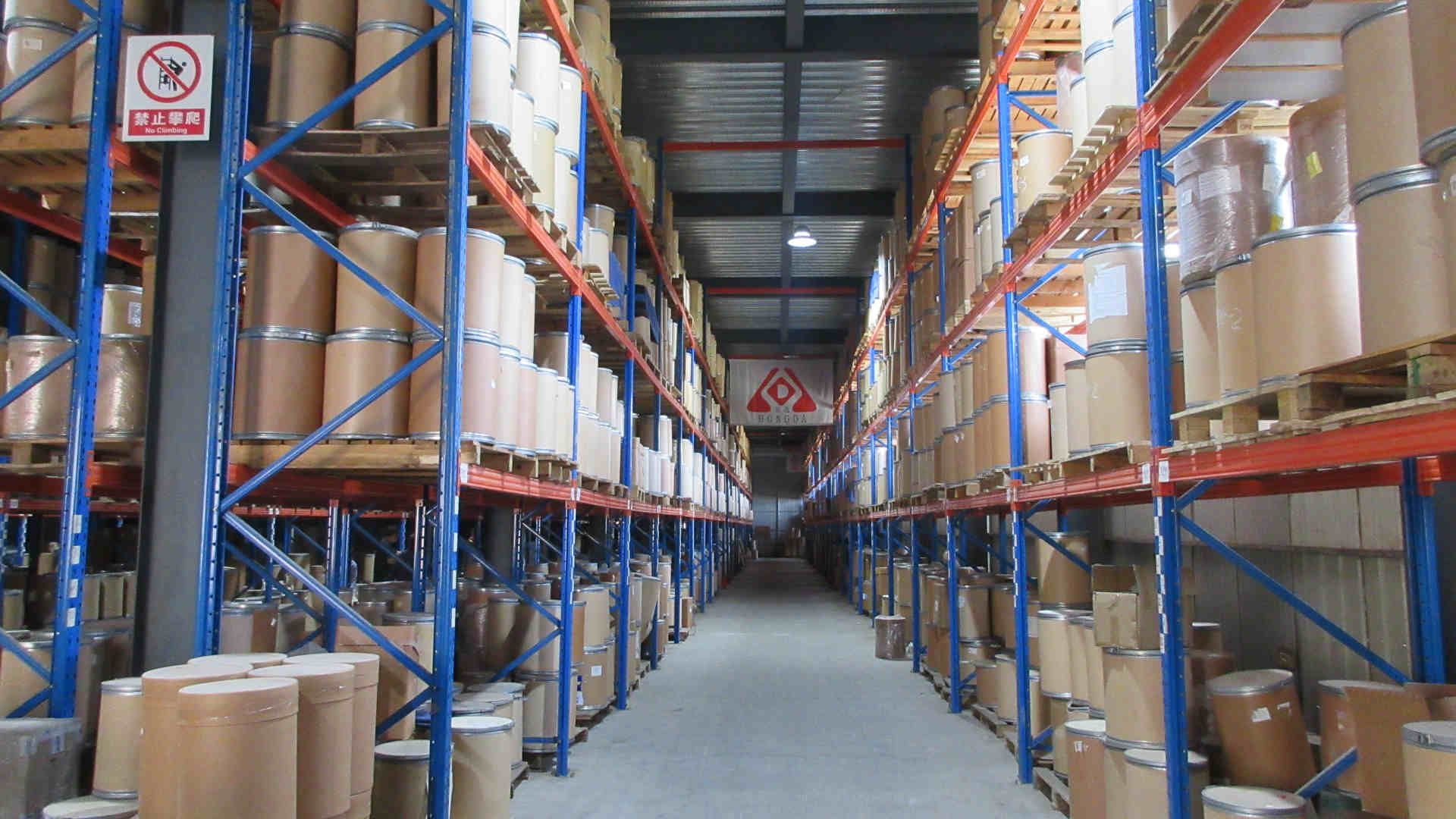
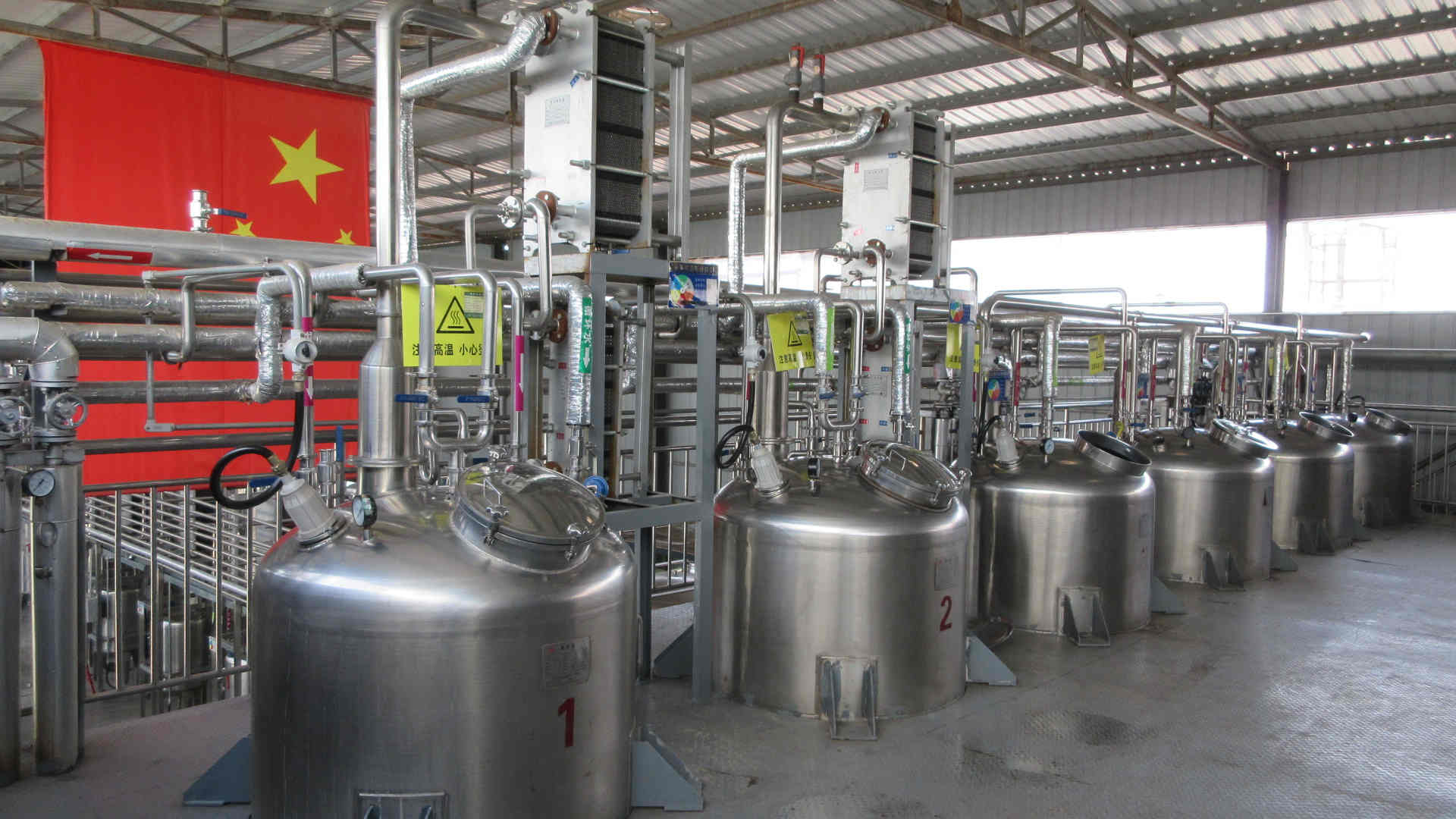
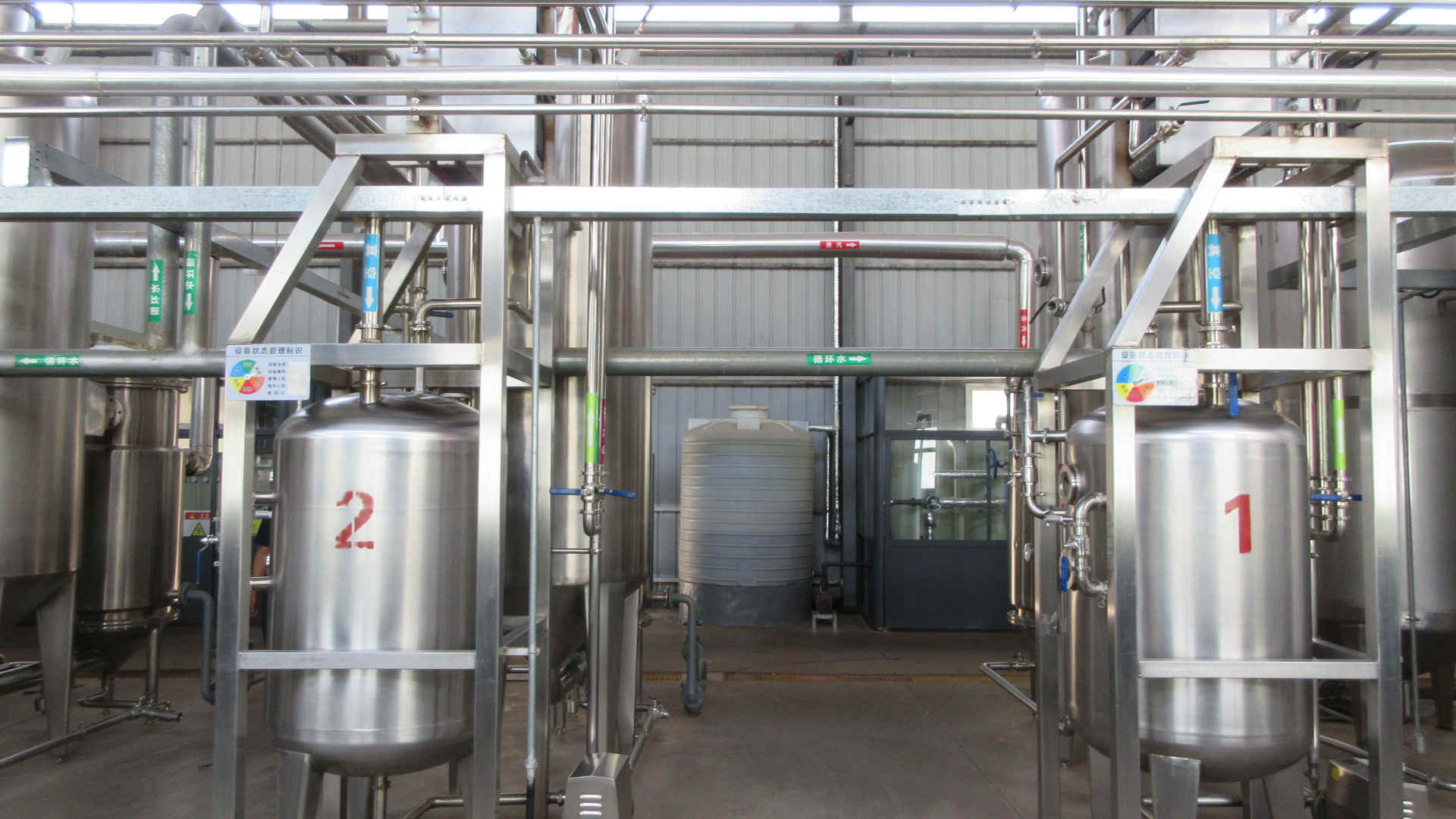
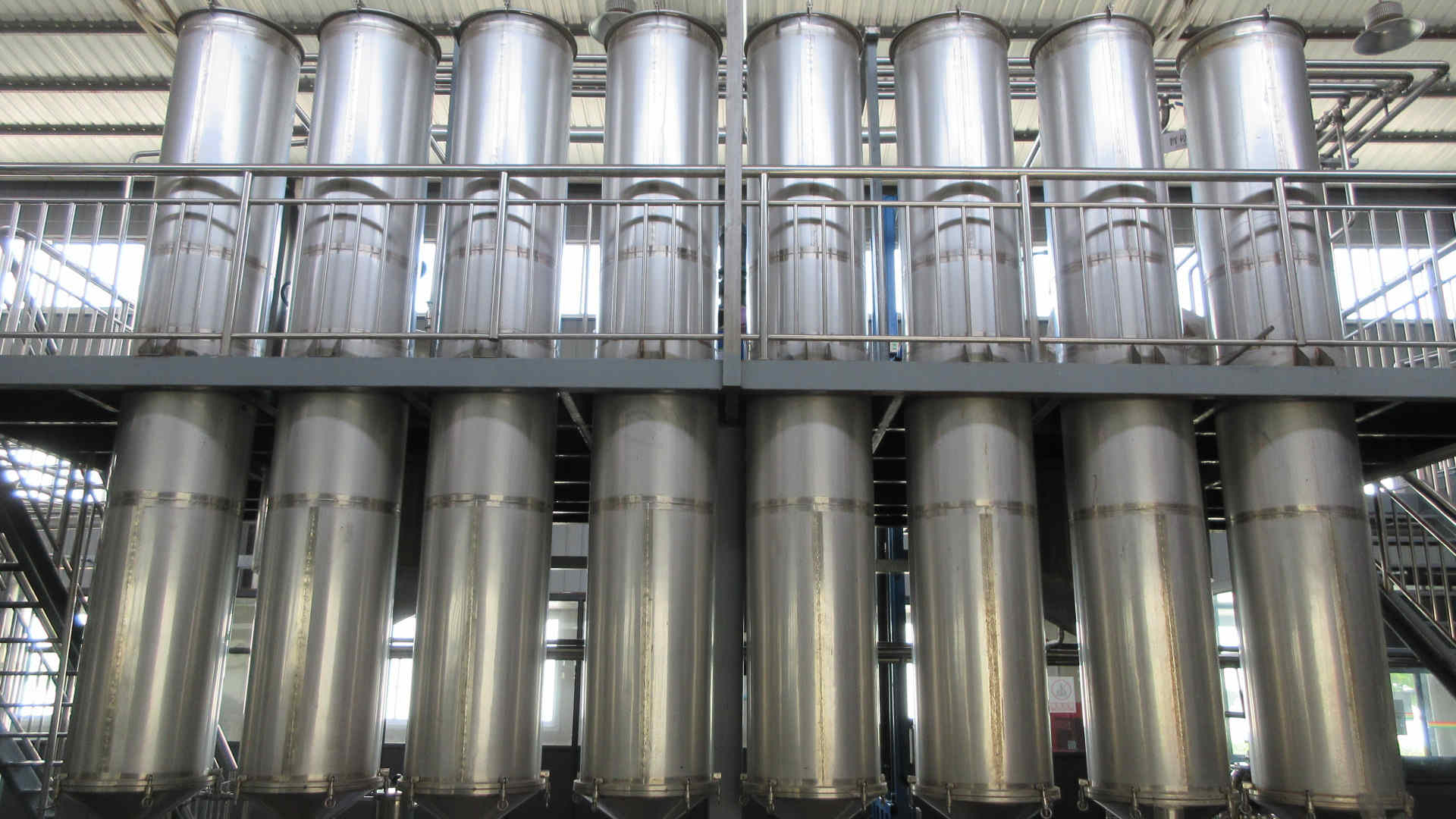
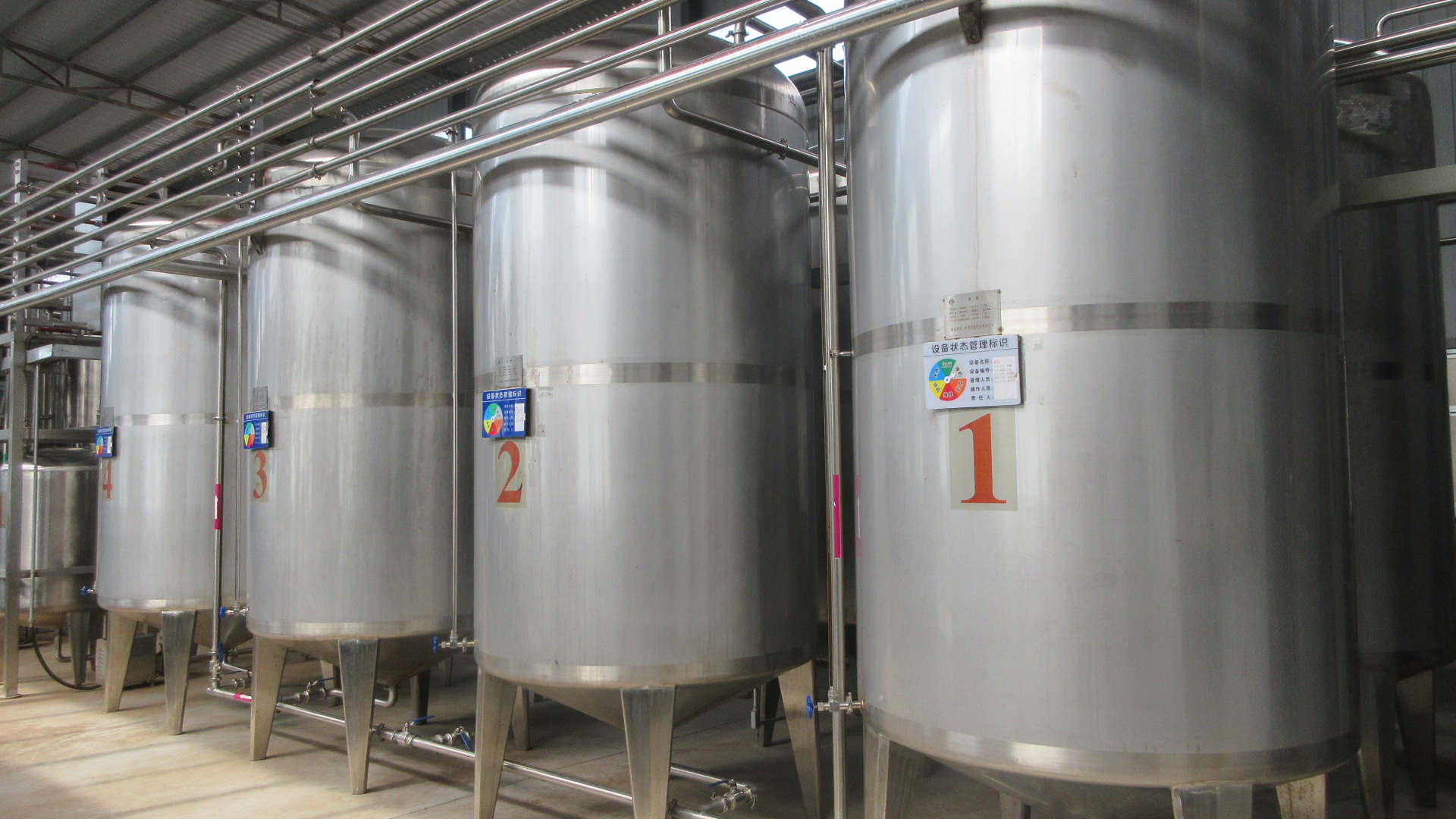
Shaanxi Mirae Biology Co., Ltd. is a professional manufacturer and global supplier specializing in the research, development, production, and distribution of high-quality plant extracts, nutritional ingredients, cosmetic raw materials, peptides, and specialty chemicals.
Located in Shaanxi Province, China, a region renowned for its rich botanical resources and advanced biotechnology industry, we combine premium natural ingredients with modern extraction technology to provide innovative and reliable solutions for customers worldwide.
With a strong commitment to quality, innovation, and customer satisfaction, we serve clients across the pharmaceutical, nutraceutical, cosmetic, food, and research industries. Our experienced technical team and strict quality control system ensure that every product meets international standards for purity, safety, and consistency.
Today, our products are exported to customers in North America, Europe, Southeast Asia, the Middle East, and many other international markets, earning a reputation for dependable quality and professional service.
Get custom technical assistance, wholesale factory-direct quotes, and regulatory verification documents from our technical engineering team.
Send Inquiry Now Mirae Biology